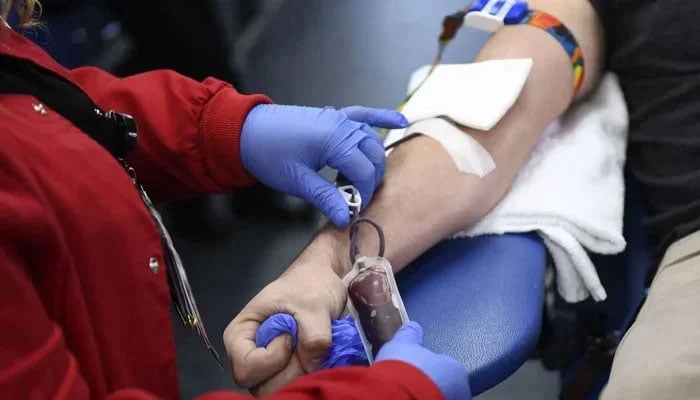
Among the many things that money cannot easily buy, one belongs to the medical field – blood, a resource that cannot be manufactured. Hospitals depend entirely on donations to meet the needs of patients undergoing surgeries, cancer treatments, childbirth complications, road accident trauma care and blood disorders such as thalassaemia. It is perhaps this reason the world observes World Blood Donor Day on June 14 to recognise the selfless individuals who donate blood and help save countless lives. In Pakistan, where healthcare resources are often stretched and medical emergencies are frequent, this day carries special significance. While these unsung heroes may not be visible, they can be found in people’s DMs on social media platforms. Any or all SOS messages sent on social media usually garner hundreds of responses within minutes, with people willing to donate blood for strangers without any reward or compensation, only for their love for humanity.
In Pakistan, thalassaemia has become a silent epidemic in Pakistan, with an estimated 100,000 children suffering from thalassaemia major, a preventable but life-threatening blood disorder. They require regular transfusions throughout their lives. While the country has many people who are willing to donate blood, Pakistan continues to face challenges in maintaining adequate blood supplies. A large portion of blood donations still comes from family replacement donors rather than regular voluntary donors. This practice often places immense pressure on families during medical emergencies and can create shortages when immediate donors are unavailable. Experts worldwide agree that a strong culture of voluntary, unpaid blood donation is the safest and most sustainable way to ensure an adequate blood supply. Medical centres in Pakistan need over five million blood donations annually and will require 5.6 million by 2030. Currently, they receive around 2.3 million donations a year.
Public awareness remains a major hurdle. Many people are willing to donate blood but hesitate due to misconceptions about health risks or eligibility. Scientific evidence consistently shows that healthy individuals can safely donate blood under proper medical supervision. A single donation can save multiple lives, and yet there are millions of eligible Pakistanis who have never donated blood even once. In the past, certain NGOs would set up camps at educational institutions to encourage students to donate blood. Such practices should continue. Similarly, the corporate sector should also lead. Corporate offices can emerge as important centres for blood donation drives. Young people possess both the health and enthusiasm needed to become regular donors. Encouraging them to view blood donation as a civic responsibility can help establish a long-term culture of voluntary donations.