Pakistan finds itself in an unusual and potentially transformative position. After years of navigating complex regional challenges and often finding itself on the defensive diplomatically, the country has recently emerged with greater international visibility, enhanced strategic relevance and a stronger voice in regional affairs.
The significance of this moment lies not merely in the recognition Pakistan has received but in the opportunities that recognition creates. The real question is whether the country can translate recent geopolitical gains into lasting economic and social benefits.
Two developments have been central to Pakistan’s improved standing.
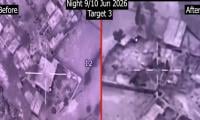
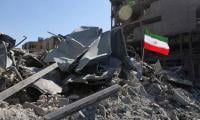
The first was the recent military confrontation with India following Operation Sindoor. Although competing narratives continue to surround the conflict, the episode highlighted Pakistan’s capacity to defend its interests against a significantly larger military power. It also reinforced an increasingly accepted reality of modern warfare: numerical superiority alone is no guarantee of success. Advanced technology, effective planning, operational readiness and strategic decision-making can prove equally important.
Beyond the military dimension, Pakistan’s handling of the crisis carried diplomatic significance. The country’s ability to articulate its position internationally and manage the escalation without allowing the situation to spiral further contributed to a more favourable perception among many observers abroad. Policymakers and strategic analysts across various capitals were reminded of Pakistan’s importance to regional security and stability.
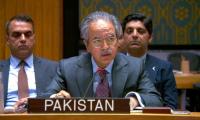
The second development has been Pakistan’s constructive role amid heightened tensions between the US and Iran. As the risk of a broader regional conflict increased, Islamabad’s ability to maintain channels of communication with both sides placed it in a unique position. Countries that can speak credibly to rival actors often play an important role in reducing tensions, even when they are not among the world’s major powers.
Pakistan’s involvement in facilitating dialogue and encouraging de-escalation has strengthened its credentials as a responsible regional stakeholder. At a time when global politics is increasingly shaped by competing alliances and rival blocs, Islamabad has demonstrated the advantages of pursuing a balanced and pragmatic foreign policy.
Together, these developments have elevated Pakistan’s profile internationally. Its geographic position, connecting South Asia, Central Asia, the Middle East and the Indian Ocean, has always given it strategic value. What is changing is the perception of Pakistan as not simply a transit point or geopolitical crossroads, but as a country capable of influencing regional outcomes and contributing to broader stability.
However, international relevance is not an end in itself. History shows that geopolitical influence only acquires lasting value when it improves citizens’ lives. Diplomatic recognition, military achievements, and strategic importance can generate opportunities, but they do not automatically create prosperity.
That is why Pakistan’s next challenge may be even more important than the successes it has recently achieved. The country must now focus on converting geopolitical capital into economic capital.
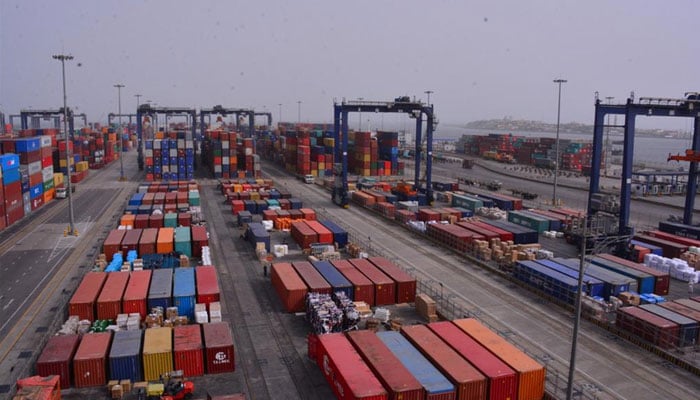
One area where this can be accomplished is trade. As Pakistan strengthens its relationships with key partners, economic diplomacy should become a central component of foreign policy. Greater access to international markets, reduced trade barriers and deeper integration into global supply chains would create opportunities for Pakistani businesses and exporters. Diplomatic goodwill should be leveraged to support commercial expansion and export growth.
Foreign investment represents another critical opportunity. Investors are influenced not only by economic indicators but also by perceptions of stability, predictability, and strategic significance. Pakistan’s recent performance has helped improve those perceptions. To capitalise on this momentum, policymakers must focus on regulatory reforms, policy consistency and measures that encourage long-term investment in sectors such as manufacturing, technology, energy and infrastructure.
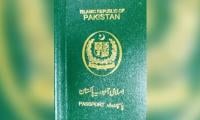
At the same time, attention should be given to expanding international mobility for Pakistani citizens. For many years, Pakistani passport holders have faced significant travel restrictions that have limited opportunities for students, entrepreneurs, professionals and tourists. While visa policies remain the sovereign prerogative of individual states, Pakistan’s stronger diplomatic position creates an opportunity to pursue more favourable travel arrangements and broader people-to-people engagement.
The benefits of greater mobility extend well beyond convenience. Students gain access to educational opportunities, professionals build international networks, businesses explore new markets and citizens develop stronger connections with the wider world. Such exchanges contribute directly to economic development and national advancement.
Ultimately, the measure of success should not be confined to diplomatic recognition or strategic prominence. It should be reflected in stronger economic performance, higher exports, increased investment, better employment prospects and expanded opportunities for citizens.
Pakistan today enjoys a level of international attention and relevance that few would have predicted several years ago. Its military capabilities have attracted notice, its diplomatic initiatives have earned recognition and its geographic location continues to make it an important player in regional affairs.
The challenge now is to ensure that these advantages are translated into concrete gains for the country and its people. If Pakistan can successfully transform its recent geopolitical achievements into sustainable economic progress, the current moment may prove to be more than a temporary period of strategic success. It could become the foundation for a more prosperous, confident, and globally connected future. That opportunity is now within reach. The task ahead is to seize it.
The writer is a journalist based in Karachi. He tweets/posts @omar_quraishi and can be reached at: [email protected]