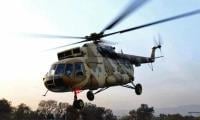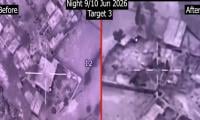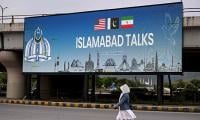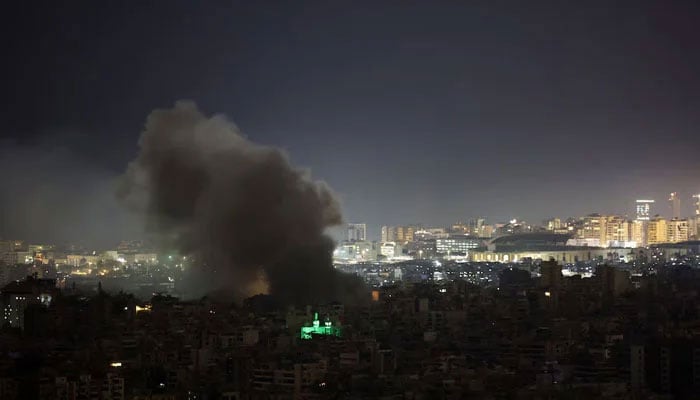
The already fragile ceasefire between the US and Iran now just appears to be hanging by a thread, with fresh military action and inflammatory rhetoric once again raising fears of a wider regional conflict. US President Donald Trump’s latest social media post, in which he declared that Iran had taken too long to negotiate “a deal that would have been great for them” and would now “have to pay the price”, offers little reassurance to a world already anxious about escalating tensions in the Gulf. The statement came after US strikes against Iran, which Washington said were launched after Tehran shot down a US helicopter in the Strait of Hormuz. At the same time, reports suggest that Qatari negotiators travelled to Tehran to finalise an agreement following consultations with Washington. So here we are: on the one hand, the US administration appears eager to secure a deal. On the other, the president continues to issue threats and alter negotiating positions. Increasingly, the obstacle to a final agreement appears not to be Iran’s unwillingness to negotiate but Washington’s inconsistency. Reports in the American media describe a frustrated and unpredictable president who has repeatedly altered terms already agreed upon by his own negotiators. According to these accounts, the second round of the Islamabad Talks failed to materialise after the US reportedly shifted from supporting a 10-year suspension of Iran’s nuclear enrichment programme to demanding a 20-year halt. More recently, after Iran had reportedly agreed to a draft framework and was awaiting the Ayatollah’s approval, new conditions concerning Tehran’s nuclear programme and frozen assets were introduced.
Such shifting goalposts inevitably erode trust. The choice facing Washington is becoming increasingly stark. It must either commit fully to diplomacy or prepare for a prolonged cycle of escalation whose consequences may prove impossible to contain. Continued uncertainty and intermittent military strikes are unlikely to force Iran into concessions on issues it considers fundamental, including sanctions relief, frozen assets and national sovereignty. Nor is Tehran likely to absorb repeated attacks on its infrastructure without responding if it believes its red lines have been crossed. The costs of such escalation would extend far beyond the two adversaries. The Gulf remains one of the world’s most strategically important energy corridors. Every new confrontation fuels instability in global markets and deepens concerns about energy security. The disruption witnessed in the Strait of Hormuz has already highlighted the vulnerability of critical maritime routes. A wider conflict could have repercussions that stretch from the Gulf to other key waterways, creating economic shocks felt far beyond the region.
There are also troubling questions about the repeated delays in reaching an agreement. Some observers have suggested that political and financial interests in the US may be benefiting from the uncertainty and market volatility generated by the crisis. Whether such claims are substantiated or not, they reflect a growing frustration with a process that appears trapped between diplomacy and confrontation, with neither path pursued consistently. What is clear is that the current trajectory is unsustainable. Every passing day without a final agreement increases the risk of miscalculation, retaliation and a conflict that neither side may be able to control once it begins. The world cannot afford another major war in the Middle East, particularly one centred on the Gulf and its vital energy infrastructure. Washington must decide whether it genuinely seeks a negotiated settlement or intends to rely on pressure and military force. If diplomacy remains the objective, then consistency, credibility and compromise are essential. If not, the region may soon find itself trapped in yet another devastating cycle of conflict.