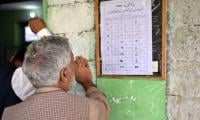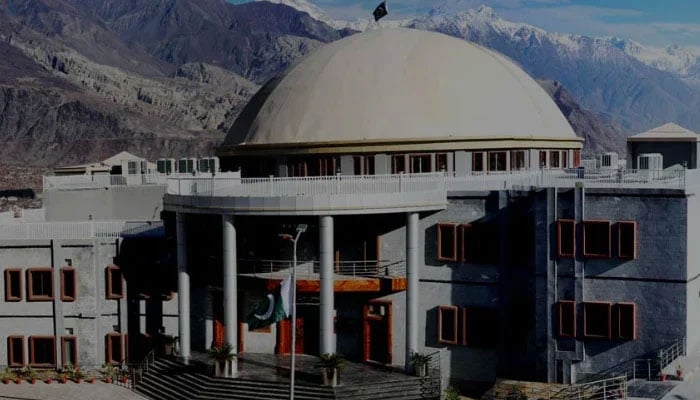
Polling for 24 seats of the Gilgit-Baltistan Legislative Assembly concluded on Sunday under tight security arrangements. Prime Minister Shehbaz Sharif has rightly congratulated the people of the region for the orderly exercise of the democratic process. According to unofficial and unconfirmed results from 19 of the 24 constituencies (till this editorial was being written), the PPP has emerged as the largest political force, securing nine seats and positioning itself to form the next government. The PML-N has secured four seats, Majlis Wahdat-e-Muslimeen one seat, while independent candidates have also performed strongly, winning six seats. It is now evident that the PPP will form the next government in the region, whether with the support of the PML-N, independents or both. The results themselves have not come as a surprise to most analysts. While the PML-N was widely expected to perform strongly as a member of the federal coalition, the PPP’s victory reflects its longstanding presence in GB and its sustained engagement with the region’s political landscape over several decades. The party’s campaign, led prominently by Chairman Bilawal Bhutto Zardari, also placed considerable emphasis on constitutional and political rights, an issue that resonates deeply with the local population. Yet, while the elections may have concluded peacefully, the political debate surrounding them is far from over. The opposition has rejected the results, describing the exercise as a ‘selection’, and arguing that the PTI was denied a level-playing field. These concerns cannot be dismissed lightly. There is little dispute that PTI did not enjoy the freedom to campaign that should be available to all political parties in a democratic contest. At the same time, observers maintain that the final outcome may not have been significantly different even under a more open campaign environment. Nonetheless, the principle remains important.
Beyond the immediate electoral contest lies the far more important question of what comes next. Questions surrounding GB’s constitutional status, as well as concerns regarding federal interference in judicial processes, continue to dominate public discourse. These issues have remained unresolved for far too long. The consequences of ignoring such grievances are visible elsewhere. We are already witnessing tensions and violent protests in Azad Jammu and Kashmir. The lesson should be obvious. When legitimate concerns remain unaddressed, frustration deepens and trust in institutions erodes. It would therefore be prudent for all stakeholders, particularly the federal government, to engage seriously with the demands emerging from GB and seek lasting solutions before dissatisfaction escalates further. Such engagement is necessary not only for political stability but also because both GB and AJK occupy a highly sensitive position. Situations of unrest can be exploited by hostile external actors, and Pakistan cannot afford complacency in areas of such strategic importance. The experience of Balochistan also serves as a reminder of how unresolved grievances can evolve into larger challenges when left unattended.
The formation of a new government in Gilgit-Baltistan must therefore mark the beginning, and not the end, of a serious political process. Once the new administration takes office, the PPP and the PML-N should move without delay to address the constitutional and political rights of the people there in light of international law. Elections are important, but they are only one part of democratic governance. The people of Gilgit-Baltistan deserve more than periodic visits from politicians during campaign season.