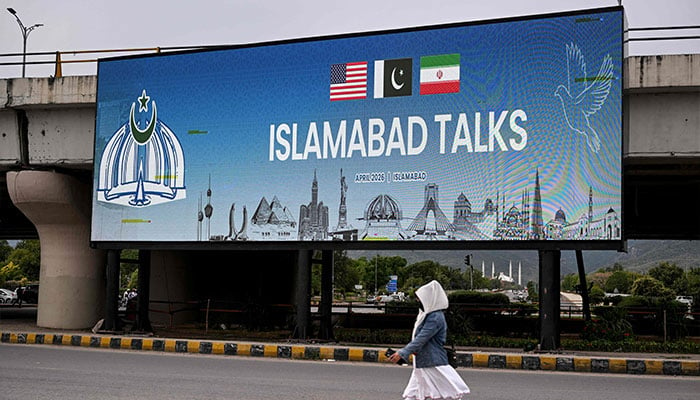
Reports that negotiations between Washington and Tehran remain active, with Pakistan continuing to facilitate the exchange of proposals, are encouraging. US President Donald Trump has expressed optimism that an agreement may be within reach, describing the process as being in its "final throes". Yet if a durable deal is to emerge, it must be built on more than optimistic statements and diplomatic manoeuvring. It must address the realities on the ground. And one of the greatest obstacles to a successful agreement remains the continuing violence in Lebanon. Even as talk of diplomacy dominates headlines, Israeli attacks in southern Lebanon have continued, including strikes that killed civilians in Tyre following forced displacement orders. These developments inevitably raise questions about whether regional tensions are truly easing or merely shifting from one front to another. For Iran, this issue is not peripheral to the negotiations; it is one of the main issues in all this.
Iran’s envoy to the UN too has indicated that discussions with the US are ongoing and that both sides remain engaged despite the absence of a final draft agreement. The International Atomic Energy Agency has meanwhile urged Tehran to re-engage with inspections at sites previously targeted by US and Israeli strikes. While nuclear inspections and uranium-related concerns remain important components of any future agreement, they are not the only issues on the table. The lifting of economic sanctions, the unfreezing of Iranian assets and broader questions of regional security are equally significant. Among the most contentious issues is the demand for a comprehensive and credible ceasefire. Tehran has consistently – and justifiably – argued that any agreement must be accompanied by guarantees that regional hostilities will not resume immediately after signatures are placed on paper. In particular, Iran is seeking assurances that attacks on Lebanon will end and that regional peace will not be undermined by future military actions. Given recent events, such concerns cannot simply be dismissed. In fact, if anything, this seems to be a logical and completely reasonable demand.
And this is where Israel enters. Most observers doubt that Israel will willingly relinquish its occupied positions in Lebanon. For negotiators seeking a lasting settlement, such unresolved disputes represent serious risks. Trump now faces one of the most consequential tests of his diplomatic ambitions. If he genuinely wishes to secure an agreement with Iran, Washington should show it is prepared to translate its influence into meaningful action. It’s hardly a secret that the US remains Israel’s principal military and political backer, giving it considerable leverage. The experience of previous ceasefire announcements should also serve as a cautionary tale. Declarations alone do not guarantee peace. A Lebanon ceasefire that exists only in rhetoric will do little to reassure Tehran or calm a region exhausted by years of conflict. The stakes extend far beyond Washington, Tehran and Tel Aviv. A successful agreement could reduce the risk of another devastating regional war, stabilise energy markets and create space for broader diplomatic engagement across the Middle East. Failure, however, could plunge the region back into confrontation. We all need this deal.