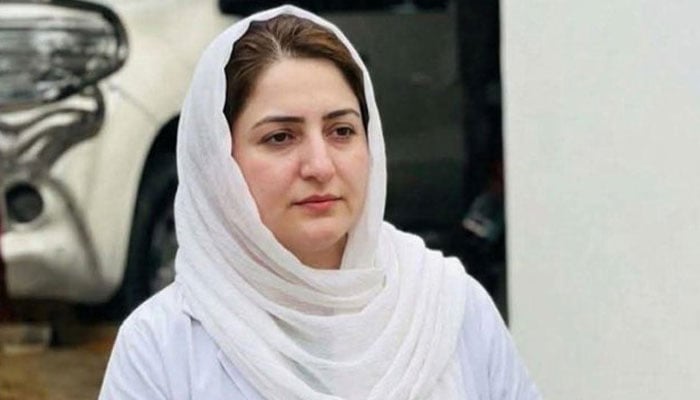
Anne Sexton wrote: "It is June. I am tired of being brave". Pakistan’s women feel the same – every day, every month, every year. A few days back, the country’s women received a chilling and infuriating reminder of just how dangerous a place this is for them. A postgraduate doctor serving in Civil Hospital, Quetta’s surgery ward, suffered serious burn injuries after acid was thrown on her during duty hours. The attack is said to have occurred inside the hospital premises, leaving approximately 35 per cent of the victim’s – Dr Mahnoor – face and body affected. Doctors allege that the suspect, an employee responsible for operating a hospital lift, knocked on the doctor’s room door and threw acid on her when she came outside. The suspect was subsequently killed in a police encounter. The temptation after an incident like this is almost always to ask what prompted the male perpetrator to attack the female victim, but that really should not matter. Nothing could possibly excuse such heinous barbarism. This entire episode is just another in a long series of violence against women in Pakistan. And the whole ritual of heinous incident, followed by unnecessary questions, victim-blaming and women having to justify their most basic rights, has become utterly exhausting. From Noor Mukadam, to TikToker Sana Yousaf, to the motorway gangrape case and now Dr Mahnoor, Pakistan has assembled a depressing tapestry of violence against women.
If one looks at each of these cases they will notice how they all took place in different settings. One took place at the home of a friend/acquaintance, one in the victim’s own home, the other on a public motorway and this latest incident at the victim’s place of work. There seems to be nowhere victims are safe. This should also silence those who like to ask questions over women’s clothes, location or behaviour. There is now ample evidence that being at home or at an office or hospital, surrounded by security, is no guarantee of safety. Even more infuriatingly, this comes at a time when the country saw a dreadful spate of honour killings last month and where some entertainment figures have actually appealed for laws against ‘short dresses’ for women in public. The fact that discussions about what women wear continue to command more attention than the violence inflicted upon them speaks volumes about the priorities of our society.
As such, violence against women in this country is a structural problem. The UN Population Fund estimates that, in Pakistan, 28 per cent of women aged 15-49 have experienced physical violence and six per cent have experienced sexual violence and 34 per cent of ever-married women have experienced spousal physical, sexual or emotional violence. While the resolution of high-profile cases and the passage of swift, stiff penalties is a good deterrent when it comes to violence against women – and Pakistan has made considerable progress in this regard, with reported acid attacks actually declining by 50 per cent since 2014 – the overall phenomenon of violence against women remains intact. After every outrage, there are promises of justice, expressions of shock and demands for harsher punishments. Yet another woman is attacked, murdered, burned, harassed or silenced – and the cycle begins again. The roots of the problem remain a social structure that asks women every question while asking its men none. This is the culture that needs to change.