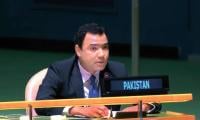
The ubiquity of fast-food chains and restaurants in most major cities in Pakistan confirms that a majority here prefers dining out. In recent years, as food delivery apps have become more popular, most households have shifted to ordering in. But this growing trend has brought its own set of challenges. As more food outlets pop up, it becomes difficult for authorities to keep a check on their operations. As a result, there has been an uptick in food poisoning cases across the country. This problem is not limited to Pakistan. According to the World Health Organisation (WHO), food contaminated with harmful bacteria, viruses, parasites or chemicals kills 1.5 million people worldwide each year, with young children worst hit. After analysing 194 countries between 2000 and 2021, the United Nations health agency found that 886 million people contract an illness linked to the consumption of unsafe food a year, with under-fives nearly three times more likely to be at risk. Besides this, the latest Global Nutrition Report 2026 warns that the world is losing ground in the fight against malnutrition, just as multiple crises converge to make the challenge more complex and urgent. Climate shocks, armed conflicts, economic instability and declining international aid are combining to undermine decades of progress, leaving an estimated 2.6 billion people unable to afford a healthy diet.
While this warning should serve as a wake-up call for all countries, it is particularly important for Pakistan. This is because food contamination has always been a problem here. In 2019, the Pakistan Medical Association (PMA), following the death of five children due to food poisoning, urged citizens to avoid eating out and went on to say that the people ‘are not eating food but poison’. Since profit margins in the food business are generally low, most food outlets buy low-quality spices and meat to sell food at affordable rates. For most people here, buying ready-to-eat meat is a compulsion. As the gas crisis across the country deepens, compounded by closures of the Strait of Hormuz, most people are left with no choice but to rely on food outlets for their daily meals.
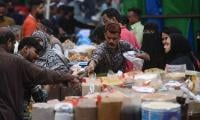
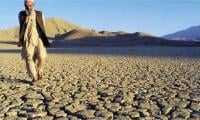
For Pakistan, the report’s findings carry particular weight. Few countries are more exposed to the intersection of climate vulnerability, food insecurity and persistent malnutrition. The devastating floods of 2022 demonstrated how quickly environmental shocks can translate into nutritional emergencies, particularly for children, women and low-income households. Rising food prices, recurring droughts, water stress and economic pressures continue to threaten access to nutritious food for millions. Inflation has severely hurt people’s buying power. Instead of buying groceries monthly, a few households have shifted to buying from stalls set up in their neighbourhoods. The country cannot afford a business-as-usual approach when climate change is intensifying vulnerabilities and economic pressures are limiting household access to nutritious food. Strengthening coordination among health, agriculture, nutrition and social protection programmes could be the first step towards addressing the situation.