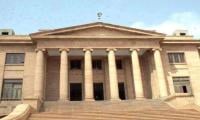
Parents and families of students at the University of Karachi have appealed to the Sindh chief minister and other relevant authorities to intervene immediately to end the ongoing boycott of semester examinations, warning that the protest is jeopardising the academic future of thousands of students.
In an open letter, the parents expressed concern over the continued examination boycott by teachers and employees, arguing that the disruption had caused uncertainty, anxiety and mental stress for students and their families.
The letter stated that students had already faced academic challenges in recent years and were now being further affected by the suspension of examinations, delaying the completion of their academic programmes.
The parents contended that some of the demands being raised by teachers and employees, including an increase in house ceiling benefits and the payment of leave encashment, were not supported by the applicable financial and budgetary rules. They argued that while the federal government had issued a notification regarding an increase in house ceiling limits, the required funds had not been released to the university, and the Sindh government had yet to adopt the measure.
The letter alleged that teachers’ and employees’ associations had, over the past decade, repeatedly resorted to strikes, protests and boycotts that adversely affected academic and administrative activities at the university. It further claimed that Karachi University was the only university in the country currently observing a boycott of semester examinations over issues related to house ceiling and leave encashment.
The parents called for a judicial or high-level inquiry into the matter, disciplinary action against those responsible for disrupting examinations, the introduction of a biometric attendance system and a review of the university’s financial and administrative practices.
They requested the provincial government to take urgent steps to protect students’ academic interests and ensure the timely conduct of examinations. The signatories did not disclose their identities, stating that they feared their children could face adverse consequences if their names were made public.