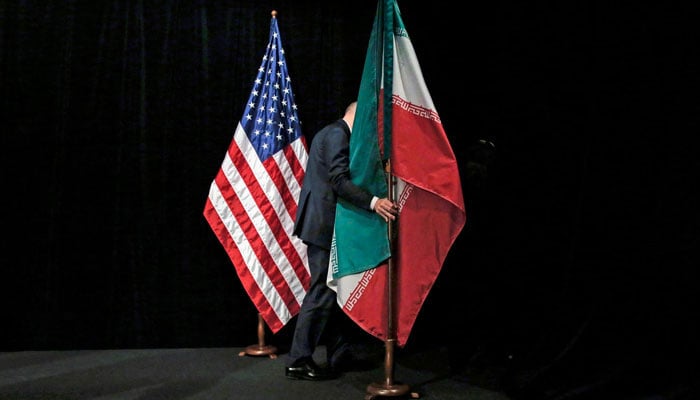
The prospects of a comprehensive peace agreement between the US and Iran remain uncertain as negotiations continue to be overshadowed by mistrust, conflicting signals and ongoing regional instability. Recent statements by Iranian officials underline what has become the central obstacle to any breakthrough: a deep lack of confidence in Washington’s intentions. As talks drag on and reportedly new proposals emerge, the danger is that continued delays will further destabilise an already fragile Middle East. Iranian leaders have repeatedly argued that the US has failed to demonstrate consistency in both its actions and its rhetoric. Their concerns are not entirely without basis. Throughout the recent conflict, US President Donald Trump has continued to shift the stated objectives of American involvement. At various points, the goals appeared to range from weakening Iran’s military capabilities to encouraging regime change and fundamentally reshaping the regional balance of power. Such shifting narratives have inevitably raised questions about Washington’s long-term intentions and made it more difficult for Iranian negotiators to trust any agreement presented to them. Diplomacy cannot succeed when one side believes that the terms of engagement are constantly changing. Iranian officials have pointed to this inconsistency as one of the main reasons for the slow pace of negotiations.
We have also seen the limitations of military adventures. Despite bold claims and ambitious objectives, the US-Israel attack has only brought destruction, heightened tensions and uncertainty, but has not resolved the underlying political disputes. History has repeatedly shown that wars may alter circumstances temporarily, but only diplomacy can create durable peace. The broader context also must not be ignored. The tensions between Iran and the US did not emerge in a vacuum. Years of instability, unresolved conflicts and unchecked violence have contributed to the present situation. The continuing genocide in Gaza and the broader regional fallout from Israel’s brutalities have also inflamed tensions. Many observers have argued that the failure of major world powers to address these issues meaningfully has ended up creating conditions in which wider conflict became increasingly likely. This is where Western governments must engage in honest self-assessment. While many now call for restraint and dialogue, they were far less vocal when regional tensions were steadily escalating. Their unwillingness to consistently uphold international law and hold Israel (and the US) accountable has weakened their moral authority.
The crisis has also highlighted a changing international landscape. The US remains the world’s most powerful nation, but its ability to shape outcomes unilaterally is no longer what it once was. Countries are looking to increasingly pursue independent foreign policies and are more willing to challenge Washington’s preferences. The way forward requires realism from all sides. Washington must demonstrate consistency and seriousness in its diplomatic efforts. President Trump, who has repeatedly spoken of achieving peace through strength, now has an opportunity to show that lasting peace is achieved not by changing objectives or escalating militarily, but by credible negotiations and respect for international commitments. Iran, meanwhile, must remain engaged in the diplomatic process despite its reservations. The international community should also play a more active role in encouraging a settlement. The costs of continued confrontation are simply too high. A stable Middle East requires genuine diplomacy, accountability and a willingness to address the root causes of conflict.