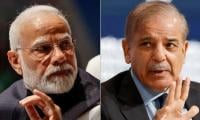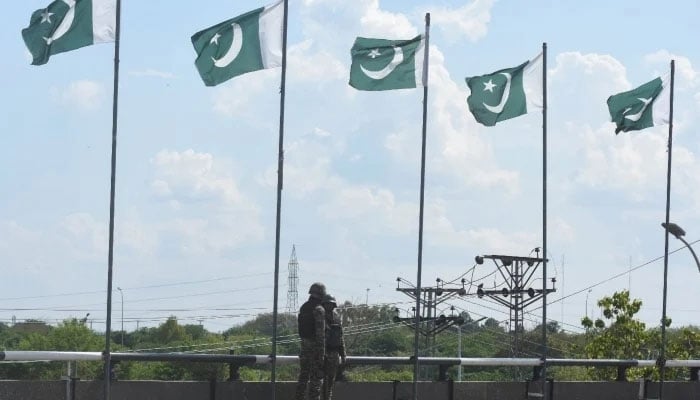
When Indian Prime Minister Narendra Modi vowed in 2016 to diplomatically isolate Pakistan after the Uri attack, many believed New Delhi’s growing economic and strategic weight would enable it to achieve that objective. Nearly a decade later, however, the results tell a very different story. Far from being isolated, Pakistan has managed to carve out a significant diplomatic space for itself in an increasingly fragmented and volatile world. Ironically, it is India that appears to be struggling with the consequences of its own foreign policy choices. Diplomacy is ultimately judged not by rhetoric but by outcomes. Despite repeated attempts by New Delhi to portray Pakistan as a pariah state, Islamabad today enjoys constructive relations with major global powers, including the US, China and key countries in the Middle East. Pakistan’s importance has grown because it has positioned itself as a country willing to facilitate dialogue and contribute to regional stability at a time when the world desperately needs both. The ongoing efforts to reduce tensions between Iran and the US are a case in point. Pakistan’s role as a facilitator of dialogue between rival powers has enhanced its diplomatic credentials and demonstrated that it remains a relevant actor in regional affairs. Such developments would not have been possible if Pakistan had truly been isolated as India had hoped.
The events surrounding the India-Pakistan conflict of May 2025 further exposed the limitations of New Delhi’s approach. Following the Pahalgam attack in Indian Illegally Occupied Jammu and Kashmir, India rushed to blame Pakistan without presenting publicly verifiable evidence. Islamabad not only condemned the attack but also offered an impartial international investigation into the incident. Instead of pursuing that route, India chose military escalation. Pakistan consistently maintained that the conflict between the two nuclear-armed neighbours serves nobody’s interests and urged restraint. The subsequent confrontation showed that military adventurism cannot substitute for diplomacy. More importantly, the international community did not rally behind India’s narrative as New Delhi had anticipated. The absence of broad international support highlighted a growing reluctance among global powers to accept unsubstantiated accusations and unilateral actions without scrutiny. At the same time, India’s international image has suffered from several self-inflicted setbacks. Allegations linking Indian operatives to activities on foreign soil have raised uncomfortable questions among Western partners. New Delhi’s increasingly close alignment with Israel has also complicated its standing in parts of the Muslim world and among countries that traditionally viewed India as a champion of non-alignment and strategic independence. Foreign policy built solely around strategic calculations often neglects the importance of perception, credibility and trust. India’s handling of regional affairs has also attracted criticism. Its support for preferred political actors in neighbouring countries has frequently been interpreted as interference rather than partnership. Such policies may produce short-term gains but often generate long-term resentment. A country aspiring to regional leadership must inspire confidence among its neighbours, not apprehension.
The reality is that South Asia cannot afford perpetual hostility. Both Pakistan and India face enormous economic, environmental and social challenges that require attention and resources. Yet New Delhi’s policy towards Pakistan continues to be shaped largely by confrontation rather than engagement. The strategy of isolation has failed because it was based on a flawed assumption: that Pakistan could simply be excluded from regional and international affairs. Geography, geopolitics and strategic necessity have proven otherwise. If India genuinely seeks peace, stability and prosperity in the region, it must reconsider its approach. Pakistan has repeatedly expressed its willingness to engage on the basis of mutual respect and sovereign equality. The path towards a more stable South Asia lies not in attempts to isolate neighbours but in building mechanisms for cooperation and conflict resolution. The past decade has shown that diplomacy cannot be built on hostility alone.