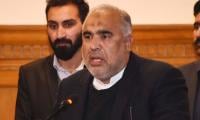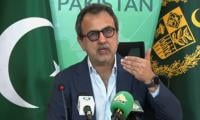
Pakistan’s reaffirmation of its longstanding position on Palestine could not have come at a more important moment. Amid renewed international pressure and fresh discussion surrounding the Abraham Accords, Deputy Prime Minister and Foreign Minister Ishaq Dar has made it clear that there can be no change in Islamabad’s policy towards Israel without the establishment of an independent Palestinian state. He reiterated that Pakistan remains steadfast in its support for Palestine and Gaza and that recognition of Israel cannot precede a just resolution of the Palestinian question. The statement was necessary because speculation had once again begun to circulate after US President Donald Trump urged several Muslim-majority countries, including Pakistan, to join the Abraham Accords. The accords, brokered in 2020, were designed to normalise relations between Israel and several Arab states. While proponents presented them as a pathway towards regional peace, they effectively sidelined the central issue at the heart of the conflict: the continued denial of Palestinian statehood and the ongoing occupation of Palestinian land. Pakistan’s refusal to join such arrangements before the creation of a sovereign Palestinian state reflects both its historical policy and the overwhelming sentiments of its people.
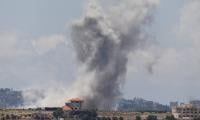
The current circumstances make any discussion of normalisation particularly troubling. Gaza continues to endure one of the darkest chapters in its history. Since October 2023, Israel’s military campaign has resulted in the deaths of tens of thousands of Palestinians, the destruction of entire neighbourhoods, the collapse of much of the territory’s healthcare system and the displacement of the overwhelming majority of Gaza’s population. International human rights organisations, legal scholars and growing sections of global public opinion have described this as a genocide. Yet despite the scale of the suffering, meaningful international action remains elusive. The humanitarian catastrophe in Gaza has exposed the profound weaknesses of the international system. Ceasefire resolutions are ignored, aid deliveries remain obstructed and repeated warnings from international organisations have failed to halt the devastation. The images emerging from Gaza – children pulled from rubble, families sheltering in tents amid bombardment and hospitals struggling without adequate supplies – have become a grim reminder of how little protection international law can offer when powerful states choose to disregard it.
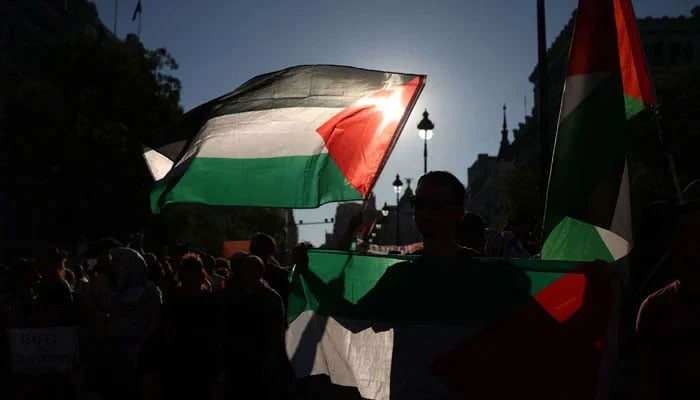
Against this backdrop, calls for further normalisation with Israel appear detached from reality. The events of the past three years have amply shown us that attempts to sideline the Palestinian issue inevitably fail because the issue itself refuses to disappear. Pakistan supports a two-state solution based on pre-1967 borders with East Jerusalem as the capital of an independent Palestinian state. That position remains aligned with international law and with countless UN resolutions that continue to be ignored. The world can’t just continue treating Palestinian rights as negotiable while expecting lasting peace in the Middle East. Palestine has to come first.