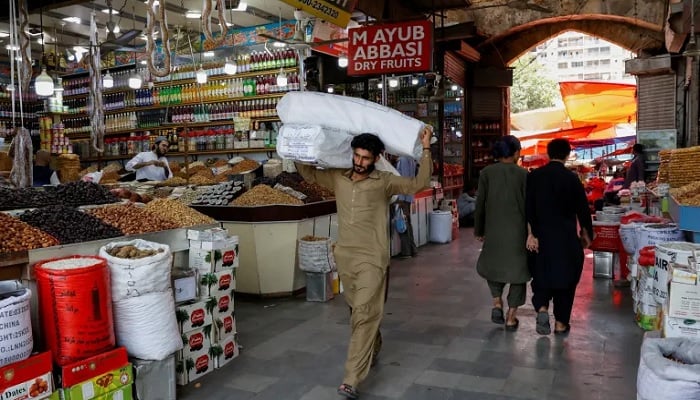
The Islamabad Capital Territory Administration on Monday issued revised business timings across the city, ordering markets and malls to close by 8pm as part of energy conservation measures amid fuel price hikes and supply pressures linked to the US-Iran conflict.
According to the notification, which took effect on 1 June 2026, the closure timing applies to all major markets and shopping centres in Islamabad. However, essential services are exempt from the restrictions.
Under the new order, pharmacies, hospitals, and medical stores will continue to operate without any change in their timings, and petrol pumps and CNG stations will also remain open as per routine.
Restaurants, food outlets, and tandoors have been directed to close by 10pm, with the same deadline set for grocery shops, bakeries, and fruit and vegetable stores, as per the latest notification.
Wedding halls, lawns, and marquees have also been brought under the new schedule and will not be allowed to operate beyond the 10pm deadline.
Officials say the step is part of wider efforts to cut energy consumption and streamline commercial activity during peak hours.
The latest notification follows a series of gradual adjustments to business hours across the country in recent weeks as federal and provincial authorities have sought to balance economic activity with energy-saving targets.
From April 7, the federal government introduced 8pm closure timings for markets and shopping malls in all provinces except Sindh as part of energy conservation measures amid the ongoing Middle East conflict.
The restrictions were later eased in May, when the federal government temporarily relaxed closure timings nationwide, allowing extended operating hours for markets, malls, restaurants and other businesses.
The move was later mirrored by provincial governments before fresh curbs were reintroduced in some areas, including Islamabad, under revised conservation plans linked to rising fuel costs and broader energy management efforts.
Most of the country's electricity is produced using imported fossil fuels, including liquefied natural gas, the prices of which have skyrocketed over recent months amid a raging military conflict in the Mideast and the blockade of the Strait of Hormuz, the key crude oil shipping route in the region.