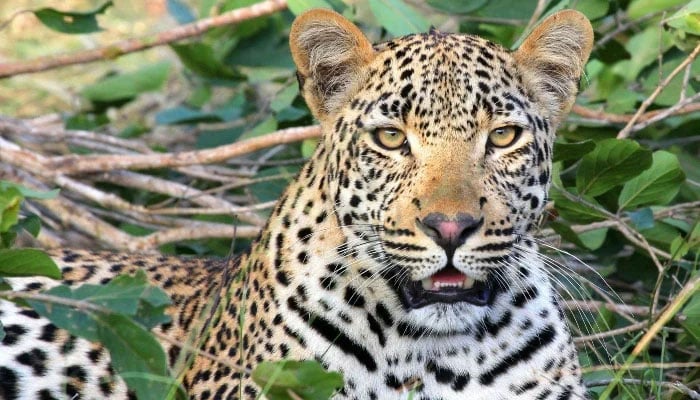
That Pakistan is home to a diverse range of wildlife should be a badge of honour for us. However, unfortunately, Pakistanis have taken this blessing for granted. Persistent illegal hunting here now threatens the very diversity that makes the country a global attraction. This month, a barking deer died after getting caught in a snare laid out in the Islamabad Nature Conservation, Wildlife and Protected Areas. According to the FIR, this was not the first such incident, as many wild boars and monkeys had previously died after being caught in similar snares. One of the primary causes of illegal hunting is the weak enforcement of wildlife protection laws. Although regulations exist to protect endangered species, poachers often exploit loopholes or operate in remote areas where monitoring is limited. In some cases, rare animals and birds are hunted for commercial gain, while others are targeted for trophies or traditional practices. The illegal trade in wildlife products further fuels this problem, creating financial incentives for poachers (the fact that, according to authorities, foreign nationals were also found in the latest killings confirms this).
Pakistan is also losing out on potential income from wildlife tourism. Countries with a wide variety of wildlife often offer safaris for visitors, where animal lovers can see wildlife in their natural habitat. When animal populations decline, largely due to hunting, opportunities for ecotourism and sustainable development are reduced. Communities that could benefit from conserving wildlife instead lose valuable natural resources. It is worth mentioning that WWF-Pakistan has expressed concerns over the latest incident. But the fight against illegal hunting cannot rest solely on the shoulders of wildlife institutions and officials. It requires collective efforts. Stronger laws and stricter enforcement are essential, but true change begins in people’s hearts. Communities, schools and families must learn to see wildlife not as trophies to be claimed, but as fellow neighbours who must be protected. It is important for people to understand that these animals are essential for a healthy environment.
Animals here are often seen as unwelcome guests. Their behaviour is criminalised and their natural habitat is destroyed to make way for high-priced housing projects. The houbara bustard, markhor and several migratory bird species have all experienced significant pressure due to excessive hunting. Forests, grasslands and deserts are living systems, and they need animals of different kinds to exist. Across Pakistan, conservation efforts have shown that endangered species can recover when given protection and care. We have already lost many of our birds that we now only find in old poems; we cannot afford to lose more. We have to make a decision. Do we want our future generations to inherit a country where deer still roam the northern heights or one where these creatures survive only in textbooks and museum displays?