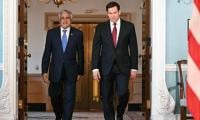
Iranian President Masoud Pezeshkian’s recent acknowledgement of Prime Minister Shehbaz Sharif’s efforts to facilitate peace between Tehran and Washington is a welcome indication that Pakistan’s diplomatic engagement is being recognised by key regional players. At a time when the Middle East stands at a dangerous crossroads, every initiative aimed at reducing tensions deserves support. The fact that Pakistan has maintained open channels with all sides and advocated dialogue over confrontation shows we have chosen a constructive approach to a crisis whose consequences have been felt far beyond the region. The reports surrounding a possible understanding between the US and Iran remain contradictory. While some sources suggest progress towards a temporary framework for negotiations on Iran’s nuclear programme, officials on both sides continue to caution that significant hurdles remain. The uncertainty has been crippling and shows how deep a trust deficit has accumulated over years of sanctions, military threats and broken commitments. Any agreement will require not only technical compromises but also political assurances that both parties can rely upon.
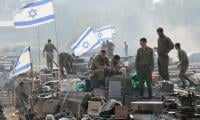
What is beyond dispute, however, is the widespread desire for de-escalation. The Gulf states have repeatedly stressed the need for diplomacy and have little interest in seeing another prolonged conflict unfold in their neighbourhood. Qatar’s outreach, Pakistan’s mediation efforts and the broader regional consensus all point in the same direction: the Middle East cannot afford another war. Nor can the global economy. The recent conflict has shown the world how quickly instability in the region can disrupt energy markets, trade routes, and financial confidence worldwide. Yet peace remains elusive because Israel refuses to let go of its genocidal ways. The policies pursued by Israeli Prime Minister Benjamin Netanyahu have repeatedly undermined opportunities for regional stability. As military operations expand and tensions spread across multiple fronts, questions continue to arise regarding whether domestic political considerations are influencing strategic decisions. Many observers have argued that prolonged conflict serves to divert attention from political and legal challenges facing the Israeli leadership at home. This reality has also complicated the Trump administration’s efforts to pursue a diplomatic breakthrough with Tehran. Every indication of progress is quickly followed by new obstacles, reinforcing Iranian suspicions that agreements reached with Washington may ultimately be derailed by external pressures. Such concerns are not without precedent. The history of US-Iran relations is littered with missed opportunities and abrupt policy reversals.
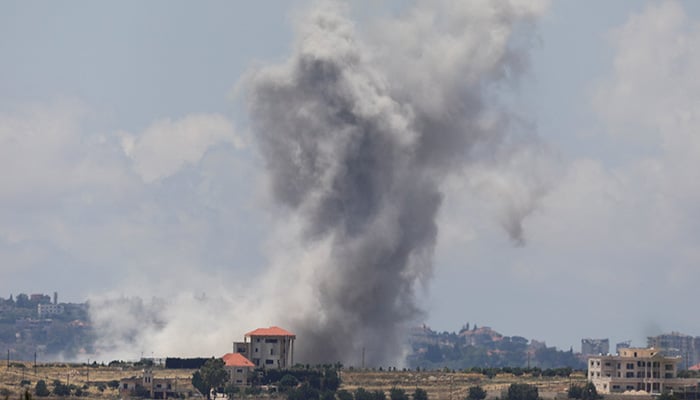
The issue of Lebanon remains particularly sensitive. Any sustainable arrangement will have to address broader regional security concerns rather than focusing solely on the nuclear file. Iran is unlikely to make major concessions without assurances regarding its regional interests and allies, while Washington seeks guarantees that regional tensions will not escalate further. Bridging these differences will require patience, creativity and, above all, political courage. Pakistan’s role in this process deserves recognition. By engaging both regional and international stakeholders and encouraging dialogue, Islamabad has shown one important fact: that middle powers can still contribute meaningfully to conflict resolution. Such diplomacy not only enhances Pakistan’s standing but also serves the broader interests of regional peace. The world has already seen the devastating consequences of war in the Middle East. Another cycle of escalation would benefit no one except those who thrive on instability. The international community, regional states and the parties directly involved must seize any opportunity for dialogue.