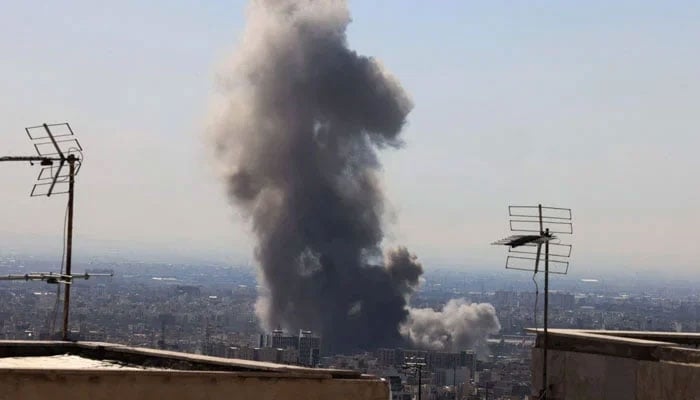
Just when cautious optimism was beginning to emerge over the prospects of a US-Iran understanding, fresh tensions have once again highlighted the fragility of peace in the Middle East. Iran has accused the US of violating a ceasefire through military strikes near the Strait of Hormuz. And Washington is insisting that the action was carried out in self-defence. All of this just shows how quickly attempts at diplomacy can be undermined by mistrust, miscalculation and competing strategic agendas. Yet despite the war of words, diplomatic contacts continue. Iranian officials are negotiating the release of frozen assets, reports suggest that a memorandum of understanding is nearing completion and regional powers are urging restraint. These are encouraging signs that should not be overshadowed by provocations. The stakes could hardly be higher. The prolonged confrontation between Washington and Tehran has repeatedly threatened global energy supplies, disrupted markets and heightened insecurity across an already volatile region. Any agreement that reduces tensions would not only benefit the two parties directly involved but would also provide much-needed stability to Gulf states and the wider international economy. It is therefore understandable that countries across the region have expressed support for efforts to end this dangerous cycle of escalation.
Unfortunately, not everyone appears equally invested in peace. There remains a persistent concern that forces opposed to any rapprochement between Iran and the US will seek to derail negotiations. Certain political voices in Washington and elsewhere have consistently advocated confrontation over diplomacy, often portraying any attempt at dialogue as a concession rather than a pragmatic effort to prevent conflict. Such approaches ignore a simple reality: decades of pressure, sanctions and military threats have failed to produce lasting stability. Diplomacy, however imperfect, remains the only sustainable path forward. Equally troubling is the attempt to attach unrelated political demands to an emerging peace framework. US President Donald Trump’s call for Muslim-majority countries to simultaneously embrace the Abraham Accords as part of a broader regional arrangement risks complicating an already delicate process. The very real fact is that linking these controversial accords to an Iran settlement is both unrealistic and counterproductive. The future of US-Iran relations should not be contingent upon forcing broader regional political realignments – and that too with something as unsavoury and offensive as Israel. Any discussion of normalisation with Israel cannot be divorced from the realities on the ground. The continuing genocide in Gaza and ongoing regional tensions have fundamentally altered political calculations across the Muslim world. Ignoring this reality is unlikely to produce the consensus that proponents of the Abraham Accords seek.
Pakistan’s position, meanwhile, remains consistent. Islamabad has repeatedly affirmed its support for the legitimate rights of the Palestinian people while advocating dialogue and peaceful resolution of disputes. The government’s rejection of joining the Abraham Accords under the present circumstances reflects a long-standing foreign policy stance rather than a temporary political calculation. At this critical juncture, all parties must resist actions and rhetoric that could sabotage a rare opportunity for de-escalation. The Middle East has suffered enough from endless cycles of war, proxy conflicts and geopolitical rivalries. The region does not need new preconditions, new ultimatums or new provocations. If a US-Iran agreement is indeed within reach, it should be allowed to succeed on its own merits rather than be held hostage to unrelated agendas or the ambitions of those who profit from perpetual conflict.