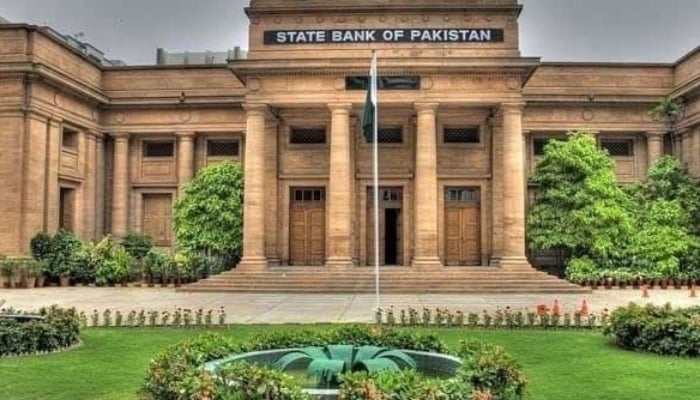
The SBP’s half-year report on Pakistan’s on the state of Pakistan’s economy paints a familiar picture. Macroeconomic stability has strengthened despite last year’s Trump tariff blitz and devastating monsoon floods. While the Middle East has somewhat complicated this picture and darkened the outlook, it is hard to say that the economy is not in a better place now than it was at the same point last year. Real GDP growth gained momentum in H1-FY26, growing at twice the pace in the same period last year. This was led by a sharp increase in industrial output, followed by the services and agriculture sectors. Average National CPI (NCPI) inflation eased further, though it has crept back into the double digits in April. This stabilisation was largely supported by a cautious monetary policy, fiscal consolidation, favourable commodity prices and, of course, the IMF programme. However, the report acknowledges that while Pakistan’s overall economic conditions have improved, the country’s transition to a sustainable, high-growth path would require deep-rooted economic reforms to address chronic structural weaknesses. Though economic pressures have been rising since February, mainly in the form of painful fuel hikes, it was hard for most Pakistanis to see the fruits of stability long before the energy shock began.
If anything, most people may well say that their lives have actually gotten more difficult over the past year or so, with taxes and utility tariffs rising and no comparable increase in wages or job opportunities in sight. The report identifies low savings and investment, weak competitiveness, declining exports relative to GDP, subdued foreign direct investment and a persistently low tax-to-GDP ratio. For a nation where almost half the people live in poverty, prices are still high despite inflation coming down and the population is growing at a rapid rate, a growth rate of 3.8 per cent in the first half of the ongoing fiscal is not quite enough, even if it is a significant improvement on the 1.9 per cent growth in the first half of the previous fiscal. Aside from the general economic difficulties that structural weaknesses contribute to, they also leave the country more exposed to shocks, crises and instability that seem to be becoming more frequent in a world that is becoming more multipolar and warmer.
While the ongoing fuel shock has hit all the Asian economies quite hard, countries like India have the kind of forex buffer to fall back on that Pakistan can only dream of right now. It was weeks before Indians had to endure the kinds of fuel hikes Pakistanis did. The SBP report also dedicates a whole chapter to the mounting losses that climate change is causing the economy, particularly the industrial and agricultural sectors. It emphasises the unfair fact that Pakistan suffers disproportionately from global warming despite contributing negligibly to global emissions, and that large investment is needed for mitigation and adaptation. In an economy with little in savings and struggling to meet tax-collection targets, where does that investment come from? Aid from the West is on the decline and will likely continue to decline as multipolarity accelerates. The government needs to seriously address the structural weaknesses identified in this report if Pakistan is to make it in the new world.