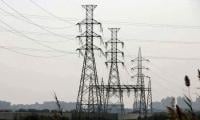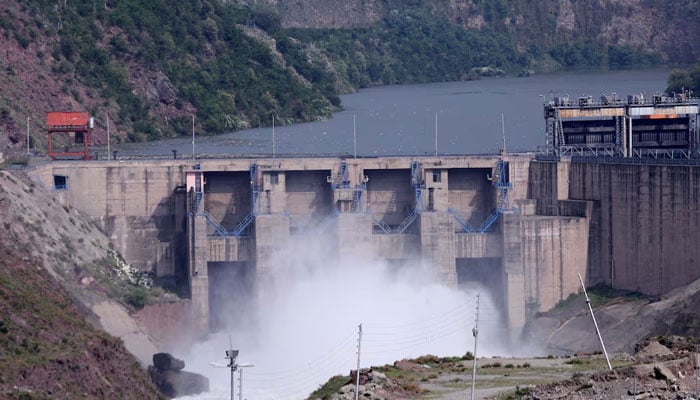
The pain of paying your gas bill on time only to find that the gas is either not coming or the pressure is too low when you try to use the stove is one that most Pakistanis are all too familiar. While these struggles may have been exacerbated by the ongoing fallout of the Middle East conflict, they are not limited to crisis times. In fact, Pakistan’s energy shortages have become a recurring reminder of poor planning, weak infrastructure and the state’s inability to anticipate growing demand. Yet if there is one resource even more fundamental to Pakistan’s survival than gas, it is water – and that too has been dragged into the politics of confrontation by India. Pakistan has welcomed the recent supplemental award by the Court of Arbitration concerning the Ratle and Kishenganga hydropower projects under the Indus Waters Treaty (IWT), saying the ruling reinforces key limitations on India’s use of the Western Rivers. The decision strengthens Pakistan’s long-held position that the treaty places substantive restrictions on India’s water-control capability. India, however, has rejected the ruling outright, calling the court “illegally constituted” and insisting that its decision to hold the IWT in abeyance remains in force. This continuing refusal to honour treaty mechanisms reflects an alarming disregard for international law and established norms governing shared resources between states.
India’s unilateral move to place the IWT in abeyance following the Pahalgam attack represented a dangerous escalation in tensions between two nuclear-armed neighbours. Since then, New Delhi has continued to use water as a political tool despite knowing fully well that millions of Pakistanis depend on the Indus river system for agriculture, drinking water and electricity generation. Water is not merely another diplomatic bargaining chip. It is a lifeline. Pakistani leaders across the political spectrum have therefore been justified in warning that attempts to deprive the country of its rightful share under the treaty would have grave consequences for regional peace and stability. Pakistan has repeatedly expressed its commitment to peaceful dispute resolution and dialogue, but no country can be expected to remain silent when its water security is threatened. What makes India’s position even more contradictory is that some influential voices within the country – including senior RSS figures and former military officials – have recently spoken in favour of restoring dialogue and people-to-people contact with Pakistan. Such statements lose credibility when the Indian government simultaneously undermines one of the few enduring agreements that has survived wars and decades of hostility. The IWT has historically been viewed as a model of cooperation because both sides recognised that shared rivers should remain insulated from political disputes. Undermining that understanding now risks opening the door to a far more dangerous era of confrontation.
Climate experts have already warned that weakening the treaty could significantly heighten risks for both countries. The IWT is not only about water distribution; it also facilitates hydrological data sharing, flood forecasting and technical coordination during droughts and climate-related emergencies. In a region already facing growing climate stress, disrupting these mechanisms would be reckless and self-defeating. The treaty contains a no-exit clause precisely because its framers understood that cooperation over shared waters is essential regardless of political tensions. International law exists to protect all states, not just powerful ones. India may believe that aggressive posturing serves domestic political narratives, but responsible nations do not abandon treaty obligations whenever they become inconvenient. The Modi government needs to finally show some maturity, restraint and an understanding that water must remain a source of cooperation instead of conflict.