The National Disaster Management Authority (NDMA) on Monday warned of an exceptional rise in temperatures and a high-level heatwave across the country from May 19 to 26, directing authorities to activate emergency response measures to protect vulnerable populations amid severe weather conditions.
According to the alert, temperatures are expected to remain exceptionally high for three to five consecutive days across several districts of Punjab, Sindh and Balochistan.
In Punjab, the districts likely to be affected include Bahawalpur, Rahim Yar Khan, Bahawalnagar, Multan, Dera Ghazi Khan, Muzaffargarh, Rajanpur, Sargodha, Lodhran, Khanewal, Vehari and Lahore.
Sindh is expected to face severe heat conditions in Hyderabad, Jacobabad, Khairpur, Sukkur, Larkana, Dadu, Naushahro Feroze, Kashmore, Tharparkar, Shaheed Benazirabad, Matiari, Mirpurkhas, Umerkot, Badin, Qambar Shahdadkot and Karachi along with adjoining areas.
The alert also identified exposed regions of Balochistan, including Turbat, Sibi, Uthal, Jhal Magsi, Dera Murad Jamali, Nasirabad, Jaffarabad, Usta Muhammad, Kachhi, Lasbela and Panjgur, as vulnerable to extreme heat conditions.
NDMA warned that prolonged exposure to intense heat could lead to heat exhaustion, dehydration and heatstroke, particularly among children, elderly citizens and outdoor workers.
It added that rising humidity in lower Sindh and dry inland conditions in Punjab and Balochistan could further intensify thermal stress.
The authority said the heatwave may also increase electricity demand, strain healthcare systems and adversely affect agriculture, livestock and labour productivity.
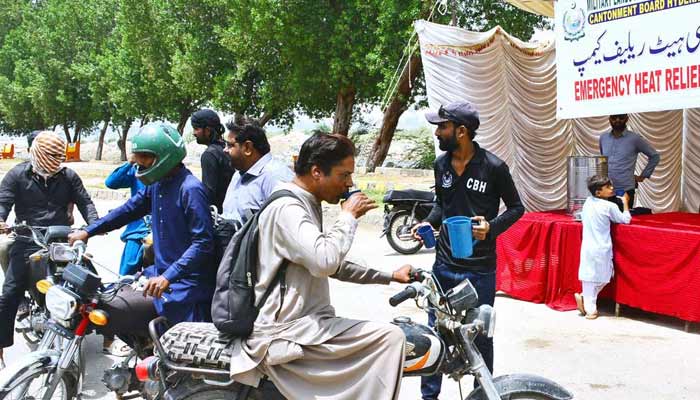
District administrations have been directed to activate heatwave contingency plans, establish cooling camps and ensure uninterrupted water supply in vulnerable areas, while citizens have been advised to avoid unnecessary outdoor activities during peak afternoon hours and stay hydrated.