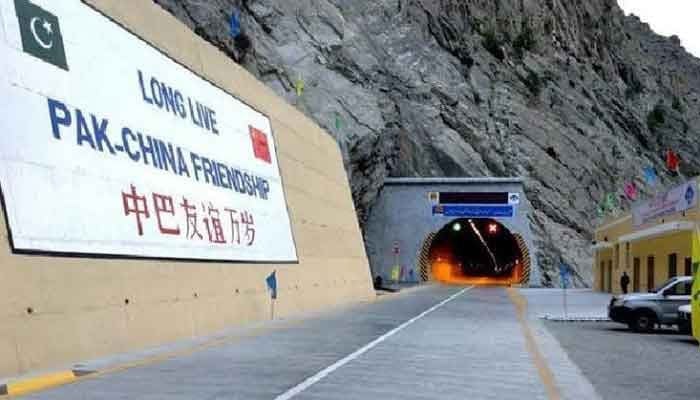
CPEC has remained one of the pillars of Pakistan’s development agenda, focusing on improving connectivity, promoting industry, and creating jobs.
Balochistan is of primary importance with Gwadar Port, portions of the western route and planned SEZs. Since CPEC is shifting to the next stage of infrastructure development towards wider industrialisation, a key policy question is how to better align new opportunities with local workforce participation.
Under CPEC, there has been significant employment. Early infrastructure projects produced over 52000 jobs, of which almost 93 per cent were occupied by Pakistani workers, and overall estimates indicated that more than 200,000 jobs had been created in various sectors. These numbers indicate the magnitude of economic activity that is related to the corridor. Concurrently, the employment structure reveals the need to enhance the alignment between workforce capacity and labour demand.
Sectors associated with CPEC can be described as having a workforce with a low level of education. In the main CPEC sectors, no formal education is found among 16.7 per cent of the workers, with primary to middle education (more than 20 per cent) and matric to intermediate levels (about 15-18 per cent) making up the largest percentages.
Conversely, participation in higher education is relatively low and only 11.8 per cent have undergraduate degrees and 5.5 per cent have postgraduate degrees. These trends indicate that employment opportunities are being generated, but there is still an opportunity to improve the workforce preparedness as industries grow in terms of skills.
The terms of employment reflect structural patterns. Informal employment constitutes around 21.2 per cent of the core CPEC sectors and even greater participation in the related industries. Although these trends are typical in the transition of economies, they indicate the possibility of gradual gains in job security and formalisation as economic activity matures.
The skill demand is becoming more specific at the sector level. There are significant skills gaps in areas directly related to CPEC, including mining (61 per cent), fisheries (52 per cent) and construction (44 per cent). For instance, the mining sector alone faces shortages of drillers, machine operators, and surveyors, reflecting the technical nature of emerging demand.
These elements represent the technical needs of industries related to port operations, resource extraction and infrastructure construction. The workforce demand in other fields follows the same pattern, with allied health, renewable energy and construction all having more than 15,000, 13,000 and 11,000, respectively.
TVET systems are important in this context. Formal technical training has been provided to approximately 12 per cent of the workforce in Balochistan, currently, usually in short courses. The enhancement of the scale and quality and relevance of training systems can help in supporting a better match between the capabilities of the workforce and industry needs. It involves revising curricula, improving certification levels and expanding access to training opportunities.
Coordination in institutions is also crucial. Tighter relationships among training providers, industry, and institutions within the public sector can help ensure that skills development is dynamic in response to changes in the labour market. Industry-specific training pathways, particularly in sectors such as logistics, port operations, mining and renewable energy can facilitate smoother transitions from training to employment. Better dissemination of information about available job opportunities and the necessary qualifications can also improve labour market participation and efficiency.
CPEC has already demonstrated its ability to create jobs and spur large-scale economic activity. Entering a more mature stage, the focus is gradually changing to enhancing the quality and inclusiveness of these results.
Enhancing the compatibility between skills, institutions and the emerging sectors of the economy will be central in ensuring that the gains of development are more distributed, especially in areas that form part of the long-term vision of the corridor.
The writer is the assistant chief of policy at PIDE. He can be reached at: [email protected]