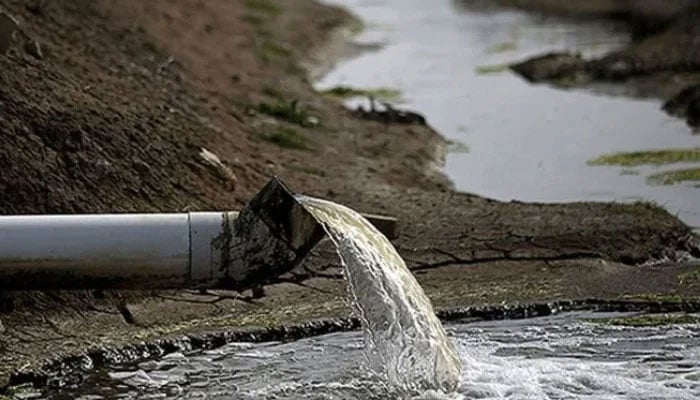
The practice of polluting our waters is not new, and now we have reached a point where we must face the consequences of our indifference. The Indus River System Authority (Irsa) recently reported deteriorating water quality due to pollution, salinity, odour, etc in the Indus Basin Irrigation System (IBIS). It has asked provincial governments to ensure that untreated wastewater does not enter rivers and natural streams. The findings become even more shocking when backed by facts. In 2022, WWF-Pakistan said that 30 per cent of all diseases and 40 per cent of all deaths in Pakistan are due to poor water quality. According to Pakistan’s National Drinking Water Policy of 2009, the burden of disease related to water, sanitation and hygiene costs the country about Rs112 billion ($1.1 billion) each year. This was published in 2015, and one can only imagine how severe the crisis may have grown.
Irsa has reminded the provinces and the Pakistan Environmental Protection Agency (Pepa) that under the Indus River System Act, 1992, it is mandated to regulate and distribute the surface water resources of the Indus River System among the provinces. Nearly 90 per cent of irrigation in the IBIS is carried out through its vast canal network, making Pakistan’s agriculture, food production and food security heavily dependent on the Indus River System. According to Irsa’s findings, the Ravi and Sutlej are now severely polluted; the lower Indus grows more saline as it flows downstream; Manchar Lake’s water is unfit for either drinking or irrigation. In Khyber Pakhtunkhwa, the degradation of rivers is emerging as a public health emergency. These are not isolated failures but symptoms of a wider collapse in environmental governance.
As is the case with almost all crises here, the problem is not the absence of policy, but the lack of enforcement. Industrial units routinely bypass treatment requirements; urban centres discharge sewage directly into waterways; and regulatory bodies fail to act decisively. This problem often goes unheard because those who are affected are poor communities that do not have any means to get their voices heard. Pakistan needs to strictly enforce regulations on industries, invest in sewage treatment infrastructure and provide incentives for cleaner production. Better coordination between federal and provincial bodies is essential, along with improved water monitoring systems. Agricultural practices must also be addressed to reduce polluted runoff. Compounding the crisis of water quality is the growing uncertainty in water availability itself. A recent sharp drop in Chenab River flows at Marala, reportedly linked to upstream regulation by India, has raised alarms about the reliability of transboundary water supplies, particularly during the crucial Kharif sowing season. Such fluctuations, whether due to dam operations or other factors, highlight Pakistan’s vulnerability as a lower riparian state with limited storage capacity. When reduced flows coincide with already polluted and degraded water systems, the impact becomes even more severe. If we keep taking water for granted, we will soon risk losing this important commodity. Treating water quality as a national priority is essential if we are serious about both improving public health and building a healthy environment.