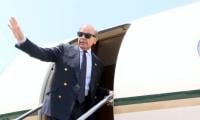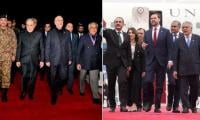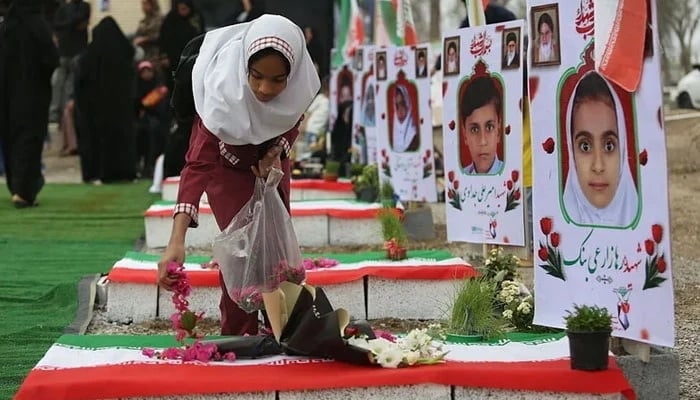
The Iranian delegation arrived in Islamabad aboard the aircraft Minab-168 – a statement to the world commemorating the 168 innocent lives lost in the first missile strike of the war on Iran on February 28. The missile had struck the Shajareh Tayyebeh Elementary School. Inside the aircraft, each seat bore a blood-stained schoolbag and photographs of the students, most of them girls.
Parliament Speaker Mohammad Bagher Ghalibaf shared the images and a message: “My companions on this flight”. The symbolism is multi-dimensional, of the future of a civilisation, love and dedication to the nation’s children and the devastating impact of war on children.
Pakistan itself has been the victim of such brutality in 2014 when six gunmen affiliated with the TTP stormed APS and massacred nearly 150 people, of which 132 were students. The TTP struck at the heart of the school during the morning assembly, when most children were present. Then, hunting down kids and teachers in each classroom. The Pakistan military and government responded with a surge in counterterrorism operations, but the massacre exposed the brutal strategy of militant groups that use fear and violence to destabilise societies, with children, the most innocent, being the most vulnerable victims.
The Peshawar massacre also spurred global outrage and calls to strengthen protections for children in conflict zones and enhance international frameworks aiming to prevent terrorism.
Pakistan and the world wept with the Parents for whom the grief and guilt of the tragic attack is lifelong. Pakistan continues to fight the menace of the Taliban.
While the world remains helpless to the plight of children in Gaza, the Palestine Central Bureau of Statistics (PCBS) has reported that over 21,000 children have been killed. The PCBS indicates that more than 44,000 children are injured and a majority are suffering from permanent, lifelong injuries. Displacement, poverty and malnutrition are all big threats to young lives, living in genocide. Even the children pretend their dolls are corpses and take them here and there on stretchers.
Globally, a range of international laws and conventions have been established to protect children in armed conflict. These include the Geneva Convention IV (1949), which safeguards civilians, including children, during war, along with its Additional Protocols I and II (1977) that provide more detailed protections in both international and non-international conflicts. The Convention on the Rights of the Child (1989), the most comprehensive treaty on children’s rights, specifically addresses their protection in conflict situations under Article 38, prohibiting the recruitment of children under 15 into armed forces. Similarly, the Rome Statute of the International Criminal Court (1998) classifies the recruitment and use of children under 15 in hostilities as war crimes.
In addition, various UNSC resolutions, such as Resolution 1612 (2005), have established mechanisms to monitor and report grave violations against children, including recruitment, sexual violence and killing. Collectively, these legal frameworks aim to prevent the use of child soldiers, protect children from violence and exploitation, support their rehabilitation and reintegration, and ensure accountability for violations under international law.
Children continue to be tragically targeted in wars for several reasons, reflecting complex strategic, psychological and sociopolitical dynamics. Despite the widespread international laws designed to protect children in conflict, the reality on the ground shows persistent violations.
Understanding these factors helps see the urgent need for stronger mechanisms to protect children and prioritise peaceful resolutions to conflict worldwide.
For successful peace talks, it is important to keep the little lives lost to war and their grieving parents central alongside the other perils of war. Only by centring the humanity and rights of children can we hope to break the cycle of violence and build a more peaceful, equitable and just world.
The writer is a former member of the National Assembly and a children, women and minorities advocate. She tweets/posts @Mehnazakberaziz