_akhbar.jpg)
Ever since the Pakistan-mediated temporary ceasefire between the US and Iran was announced earlier, there was one thing above all others that most Pakistanis were waiting for. That moment came on Friday as the government slashed fuel prices, cutting diesel by Rs135 per litre and petrol by Rs12 per litre. Pakistan, like much of the rest of the world, may not have been directly involved in the Middle East conflict, but its people were hit hard at the pump. The disruption in the Strait of Hormuz, through which around 20 per cent of the world’s oil and gas passes, and the general instability the war caused in the fossil fuel-rich Gulf led to global fuel prices skyrocketing. These increases, despite the government’s efforts to blunt their impact, were passed on to the public in the form of eye-watering fuel hikes. Now, with global fuel prices declining somewhat in the wake of the ceasefire, it is only fitting that Pakistanis fully benefit from the dividends of the peace Pakistan brokered. Diesel has now gone down from Rs520 to Rs385 per litre and petrol from Rs378 to Rs366 per litre. While these prices are still higher than what Pakistanis usually pay, the targeted subsidy for two- and three-wheelers will still continue.
However, this does not mean that the fuel crisis is over, for Pakistan or the rest of the world. The ceasefire is fragile and global oil prices remain volatile. Many will not be pleased by the fact that they are still paying more than when the war started. In a sign that the problem has not yet passed, the Sindh government announced early market closures the same day that the centre made the fuel cut, a move already implemented in the rest of the country earlier. It is unclear whether such policies and other austerity measures will be rolled back in the coming days. In all likelihood, it is better to be safe and keep fuel conservation measures around until the crisis is firmly in the rear-view. This will undoubtedly be frustrating. Overall, it is important not to forget the important lessons that this crisis has taught. While all of Asia was hit hard, with even an economic powerhouse like South Korea asking its people to cut shower times, Pakistan stood out as among the most vulnerable countries. Yet again, it was the people that paid the highest price. In a world where crises are becoming more frequent, Pakistan must find ways of becoming more resilient to disruptions. It is not good enough to simply shut schools and move classes online every time, especially in a country where the digital infrastructure remains inadequate.
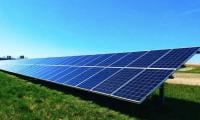
Then there is the energy picture that must be reassessed. While it has often renewable and climate-friendly energy sources that are typecast as ‘luxury’ solutions, it increasingly looks like heavy dependence on imported fuels is the real luxury. Pakistan and the rest of the low- and middle-income developing world need to work towards shedding this dependency and prioritising local and renewable energy. The disproportionate burden borne by the Global South, yet again, points to a very unequal global architecture. It is quite galling when Western countries start a war that triggers a global fuel shock and then institutions like the IMF try to play hardball on things like cutting the fuel levy. Aside from energy, the country must also change its transport paradigm and expand EV adoption. Policymakers must start taking a post-oil and gas paradigm more seriously.