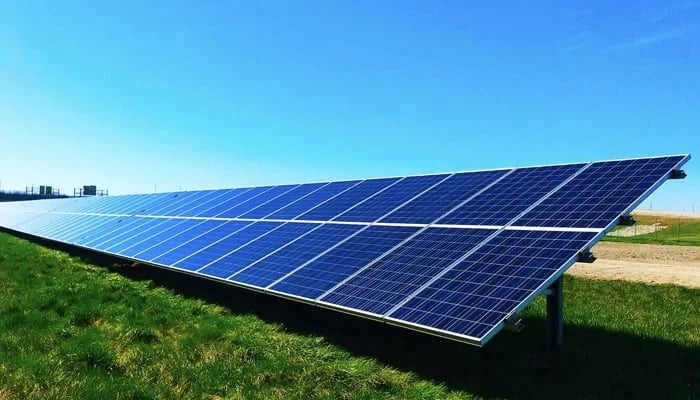
As bad as the fuel hikes due to the ongoing Middle East war have been, research indicates that they could have been $6.3 billion worse. This is the amount Pakistan could save on oil and gas imports by the end of the year thanks to its solar, according to reports. The country had already avoided over $12 billion in oil and gas imports between 2018 and February of this year. This shows that solar is no longer just a niche energy option in Pakistan. It is estimated to be 32.3 per cent of the country’s energy mix as of 2025, and, as the ongoing energy crisis demonstrates, crucial to the nation’s energy sovereignty and survival. As such, getting the solar policy right is one of the most important tasks policymakers must undertake. In this context, the fact that a study by the Competition Commission of Pakistan (CCP) has identified structural barriers in the country’s solar market is a bit concerning. Entitled ‘Unlocking Green Potential: A Market Competition Study of Solar Energy in Pakistan’, the study says that the country’s solar sector continues to face competition-related constraints, including policy uncertainty, heavy reliance on imports and inadequate financial sector support, particularly for low-income households facing high upfront investment costs.
These factors have often led to solar being stereotyped as an energy option for the rich, requiring roof space and cash to splurge on it. The straightforward solution here would appear to be greater state support for solar, particularly to improve accessibility for poorer Pakistanis. The fact that fuel prices are now as high as they are and that electricity bills for some grid users can be higher than the rent probably makes this job easier. However, lack of support is just one dimension in which the state is failing solar. Policy inconsistency creates its own drawbacks. The frequent and abrupt changes to net-metering rules, buy-back rates and import duties on panels create a lot of uncertainty for both consumers and businesses looking to invest in solar. With such a lack of support and inconsistencies, one can only wonder how solar has come as far as it has in Pakistan.
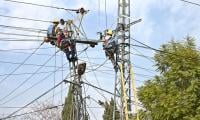
The report claims that Pakistan still lags behind countries like China, Brazil and India in developing its solar energy sector. The proposed solutions include modernising grid distribution networks to support distributed solar generation, local manufacturing of solar panels and promoting battery storage to reduce the pressure on the grid. The kind of system these solutions outline is a far cry from the status quo. And, for all the help that the solar boom might be offering, this summer will likely be brutal when it comes to power bills. The sky-high prices at the pump are only a reminder that the nation also lags in other renewable options, such as EVs The status quo is simply not a tenable option for a nation that is serious about energy independence and affordability. The least that policymakers can do is help nurture a solar boom that has basically fallen into their laps.