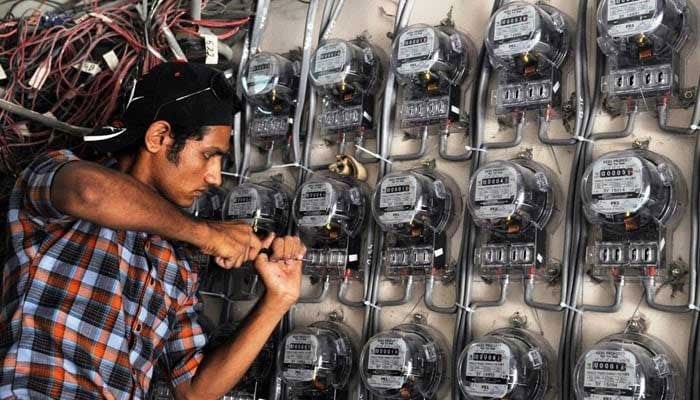
Just when it seems like Pakistanis might get a break from the eye-watering fuel hikes of recent weeks, Nepra has gone ahead and somewhat dampened the mood. On Wednesday, the power regulator announced an increase in electricity tariffs by Rs1.42 per unit under the monthly fuel cost adjustment, citing a variation in fuel charges for February 2026. The Rs1.42 per unit rise for February’s fuel adjustment will now be collected from consumers in April bills and, according to some reports, the overall additional burden consumers now have to shoulder comes to around Rs10.57 billion. This move follows earlier reports that Pakistani electricity consumers would absorb a Rs14.37 billion shock in their April power bills after the national grid’s purchasing agency acknowledged it charged households and factories nearly 25 per cent less than the actual cost of fuel during February. While the overall bill does not seem quite as bad as earlier reports suggested, this latest power hike could cause a good deal of pain. It is important to remember that April is usually a hot month and many Pakistanis are working or studying from home right now due to the fuel crisis.
Aside from conserving fuel, the austerity measures the government has taken in the wake of the Middle East conflict can also be seen as a way to help people save money. However, in this country, be it the pump or the home, there does not appear to be anywhere people can hide from price and tariff hikes. And for now, the global energy future remains murky. As such, Pakistanis could well find themselves paying more for fuel and for power through this month. There is also the impact on the country’s beleaguered industry to consider. A representative of the Federation of Pakistan Chambers of Commerce and Industry (FPCCI) has reportedly said that the industrial sector has already borne an aggregate burden of Rs564.7 billion over the past three years and that further increases would be detrimental to sustainability and industrial viability.
The government has reportedly said that tariff projections depend on variables such as fuel prices, demand patterns, exchange rates and generation mix, and since these factors are largely beyond their control, price variations are passed on to consumers. However, Pakistan’s power malaise long pre-dates the Middle East turmoil. In FY2024-25, Pakistan’s power distribution sector bled a combined Rs397 billion due to transmission and distribution losses and weak bill recoveries. If this is not in the control of the authorities, it should be. So should the hefty fixed payments made to power producers regardless of output and the low utilisation of power plants. Back in 2024, the energy ministry admitted that Pakistan’s power tariffs were the highest in the region. The fact that Pakistanis pay more for an overly expensive and inefficient grid cannot be excused by the current crisis. And while solutions like solar do exist, the government has not exactly been doing a stellar job of facilitating them. The underlying factors of the power tariff hikes are anything but temporary and those in charge have to start resolving them.