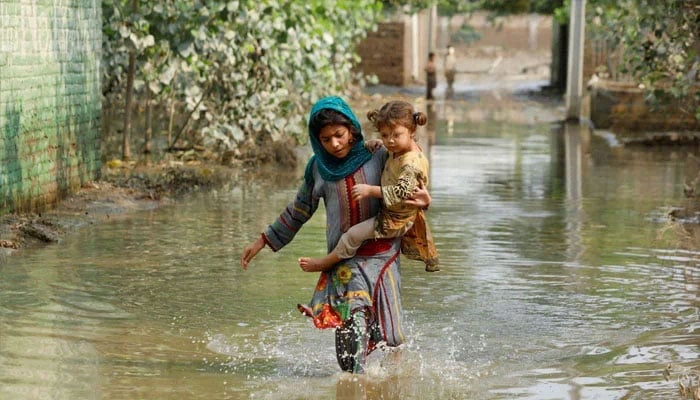
One arc common in most end-of-the-world movies is people’s reluctance to take scientists’ warnings seriously. They spring into action only when it is too late. Something similar has happened in real life. In the past, slogans highlighting the irreversible consequences of climate change were conveniently ignored. Now, the world is watching the result of its ignorance. Unfortunately, it is the developing world that will bear the brunt of the wasted years. Now, in its February-April outlook, the Pakistan Meteorological Department (PMD) forecasts a high probability of glacial lake outburst floods (Glofs) due to sustained above-normal temperatures. The National Emergencies Operation Centre (NEOC) has also warned of Glof risks in northern Pakistan from March to September 2026, cautioning that rising temperatures and early heatwaves could intensify glacier melt and trigger flash floods in vulnerable valleys of Gilgit-Baltistan and upper Khyber Pakhtunkhwa.
According to reports, from February 1 to 22, daytime temperatures in GB and Azad Jammu and Kashmir rose 3-5 C above normal, while nighttime temperatures remained 1-3.5 C above the 1981-2010 average. Particularly troubling is the rise in minimum temperatures in areas such as Gilgit, Bunji and Chilas. Warmer nights reduce the natural refreezing process that stabilises glaciers. Without that nightly pause, the melting accelerates, and the water flows unchecked into already swollen glacial lakes. These warnings should ideally travel far beyond the mountain valleys of GB and KP. Last year, flash floods in KP and Punjab wreaked havoc. Not only do people lose their lives, but many of them are also displaced and forced to live in make-shift tents, where they become highly vulnerable to contracting life-threatening diseases. As rehabilitation efforts stall, most find themselves abandoned in unfamiliar cities.
The challenge does not end here. In the past, tourists flouted the warnings and travelled in large numbers to high-risk areas, resulting in deaths that could have been easily avoided. The PMD deserves credit for proactive monitoring and timely advisories. But this alone cannot save the country from impending disasters. The government’s focus should be on community-based disaster preparedness programmes, ensuring that residents know evacuation routes and response protocols. For long-term safety, infrastructure planning must integrate climate resilience. The federal and provincial authorities must accelerate glacier monitoring projects and invest in engineered drainage of high-risk lakes. The international community should also be urged to honour their pledges regarding climate finance so that countries like Pakistan can build a resilient system to safeguard itself from climate calamities.