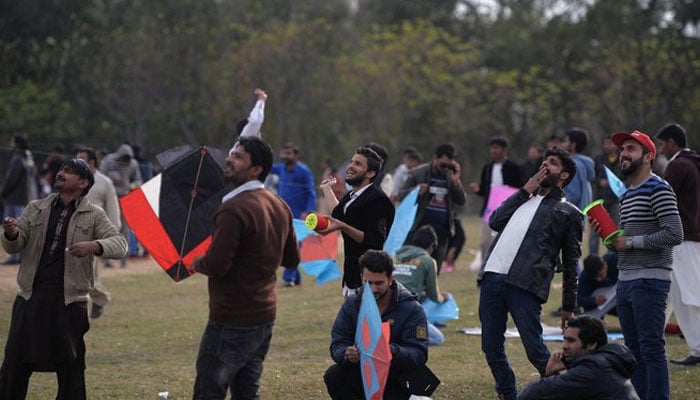
After nearly two decades, Basant returns to Lahore this week: cautiously and conditionally. For a city – and a country – starved of shared joy, that matters. It is a good feeling to have a spring festival back, even in a limited form, even under watchful eyes, and the reappearance of a familiar splash of yellow feels like a small reclaiming of space. Basant is tied to the culture, tradition, history and soul of Lahore where it has long been celebrated. In the ‘Old City’, the spectacle was once unmistakable: dhols beating atop rooftops, fierce kite contests punctuated by collective cries and vast pots of food shared among neighbours and strangers alike. It was this atmosphere that placed Basant on the international tourism calendar, drawing tens of thousands of foreign visitors to Lahore and encouraging them to explore other parts of the country as well. The economic boost this generated was substantial – and reason enough on its own to reconsider Basant’s place in the public calendar.
That said, the festival’s return must remain grounded in reality. Basant was banned for reasons that were real and tragic. Deaths caused by razor-sharp string, particularly to motorcyclists and pedestrians, and fatal falls from rooftops cast a long shadow over what was once Lahore’s most democratic celebration. This year’s experiment therefore comes with shared responsibility. The government has promised monitoring systems, permissible materials and enforcement. That commitment must translate into action. At the same time, citizens must recognise that safety cannot be outsourced entirely to the state. Rooftop behaviour, use of illegal string and disregard for bystanders have historically turned festivity into disaster. If Basant is to survive beyond this season, restraint and responsibility will matter as much as regulation. There is also a broader point worth making. Social media outrage over Basant has been swift and, in parts, bewildering. Yes, the country faces grave challenges – economic stress, political instability, violence and inequality. None of these should be trivialised. But to suggest that a tightly regulated cultural festival somehow insults national suffering is a false binary. Nations do not move forward by choosing between grief and joy. They carry both.
Few traditions have shaped Lahore’s cultural identity as deeply as Basant. It was never just about kites. In a city where recreation is increasingly privatised and exclusionary, Basant once offered a reminder that joy could be collective and accessible. Which is why we need to get this right. Pakistan does not get many moments of uncomplicated festivity. When one cautiously returns, it deserves neither romantic blindness nor reflexive cynicism. If Lahore can fly kites without cutting lives short, if people can celebrate without turning rooftops into death traps, then this fragile revival may be worth protecting. Spring may not our problems but perhaps it can remind us that life eventually insists on returning.