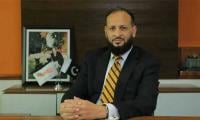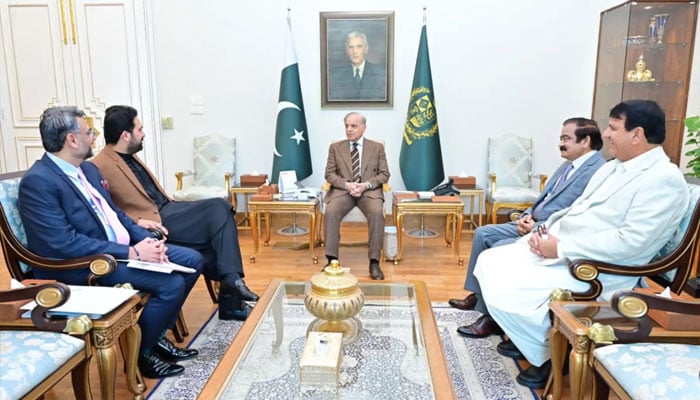
Prime Minister Shehbaz Sharif’s first meeting with Khyber Pakhtunkhwa Chief Minister Sohail Afridi may not have produced dramatic announcements, but it did signal something Pakistan badly needs right now: a willingness to talk, coordinate and treat terrorism as a shared national challenge rather than a political football. At a time when violence continues to haunt KP and the wider region, even this basic reset in tone matters. According to the Prime Minister’s Office, PM Shehbaz emphasised the importance of federal–provincial coordination for the welfare and development of the people, stressing that collaboration was indispensable for maintaining law and order in the province. He reiterated that the KP government must fulfil its constitutional responsibility for public welfare and security, while reaffirming that the federal and provincial governments would continue joint efforts to eliminate militancy completely. CM Afridi, for his part, has insisted that no political matters were discussed and that the focus remained squarely on governance, security and financial issues. His statement that “terrorism has no province and no country” and must be confronted as a national challenge is both accurate and overdue.
Equally significant was Afridi’s disclosure that Rs2,600 billion meant for the merged tribal districts has remained blocked, a matter he raised directly with the prime minister, who has reportedly issued directions for the release of these funds. If followed through, this could address one of the most persistent sources of resentment in the former Fata regions, where underdevelopment and neglect have long fed instability. A follow-up meeting after Eid, focused in detail on terrorism and security, will be an important test of whether this initial engagement translates into sustained cooperation. Terrorism remains one of the gravest challenges Pakistan has faced over the past two decades, and there is a direct link between economic recovery and a safe, secure environment. KP, as the province most affected by militant violence, cannot afford a fractured or ambiguous relationship with the centre on such a critical national policy issue. Yet in recent years, strained ties between Islamabad and Peshawar have produced confusion, mixed messaging and, at times, paralysis. The consequences of this breakdown were on stark display during the mishandling of the Tirah situation, when a blame game between the centre and the KP government overshadowed the urgent needs of the people on the ground. The only real outcome was more misery for residents who have already borne the brunt of conflict. Terrorist groups thrive in precisely these gaps.
This is why the hope generated by Afridi’s first meeting with PM Shehbaz should not be squandered. Political differences between the PML-N government at the centre and the PTI-led administration in KP are real and bitter, but they cannot be allowed to override what is essential for national security and for the people of KP. Terrorism must be kept above partisan considerations. National security cannot be compromised simply because governments do not see eye to eye. Dialogue, coordination and clarity are the only way forward. Regular, transparent engagement between the centre and the provinces can help overcome confusion while also addressing the genuine grievances of a smaller, conflict-affected province. Parliament, too, must play its role by fostering serious debate that brings all stakeholders to the table and works towards political consensus. The fight against terrorism requires unity of purpose across the political spectrum. The meeting between PM Shehbaz Sharif and CM Sohail Afridi will matter only if it marks the beginning of such a process.