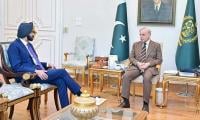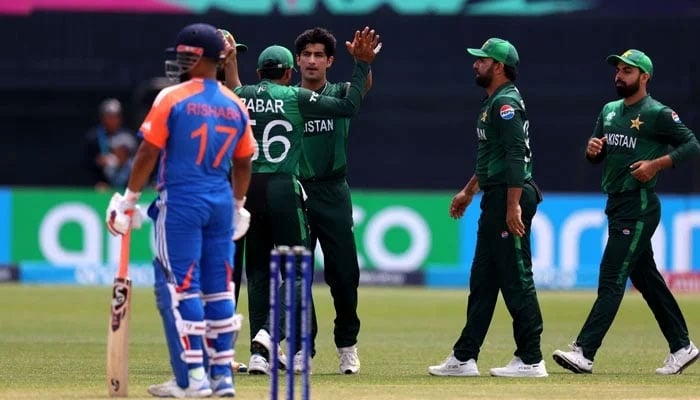
Pakistan on Sunday dropped a bombshell in the cricketing world by announcing that it would participate in the ICC T20 World Cup 2026 but would boycott the match against arch-rival India on February 15. The decision, taken after a meeting between PCB Chairman Mohsin Naqvi and Prime Minister Shehbaz Sharif, immediately ignited debate at home and outrage across the border. According to reports, the move is meant to show solidarity with Bangladesh after the ICC rejected the Bangladesh Cricket Board’s request to shift its World Cup matches out of India and replace them with Scotland. What may look like a single boycott is, in reality, the culmination of a long chain of politicisation that has steadily hollowed out cricket’s claim to neutrality. The crisis began when Bangladesh bowler Mustafizur Rahman was dropped from this year’s IPL, reportedly under pressure from the Modi regime. Bangladesh responded by banning IPL broadcasts in the country and demanding that its World Cup matches be moved to Sri Lanka. The ICC’s response was telling. Instead of addressing the political interference at the root of it all, it brushed aside Bangladesh’s concerns, reinforcing the perception that the world body has increasingly become an Indian proxy. Its mealy-mouthed warning to the PCB to “consider the significant and long-term implications for cricket in its own country” rang hollow, particularly when experts have pointed out that forfeiting matches or refusing to tour is not without precedent. Unless the ICC chooses to violate its own rules, there is little basis for penalising Pakistan.
There are, inevitably, two schools of thought on Pakistan’s decision. Critics argue that the PCB had already secured a moral and logistical victory by convincing the ICC that Pakistan would only play India at neutral venues for ICC events, given India’s long-standing refusal to tour Pakistan. From this perspective, boycotting the match appears unnecessary and a departure from Pakistan’s traditional stance that sports and politics should not mix, even as India repeatedly politicised cricket. Supporters counter that the moment demanded a firm response. In their view, Pakistan has finally challenged the BCCI’s unchecked hegemony and refused to be complicit in an ICC that does India’s dirty work while lecturing others about the “global cricket ecosystem”. Public reaction within Pakistan has largely favoured the latter view. Former cricketers and commentators have praised what they see as a principled stand against Indian bullying. In India, however, the response has been one of indignation, with claims that Pakistan is acting in bad faith despite India having played Pakistan in the Asia Cup under pressure from its own hyper-nationalist media. This selective outrage ignores recent history: the Indian team’s refusal to shake hands with Pakistani players, its captain’s overtly political speech, and the snub of Mohsin Naqvi during the trophy presentation. India was criticised internationally for this conduct, yet the ICC stood by and let it pass without consequence.
It was therefore refreshing to hear Indian politician Shashi Tharoor acknowledge that the Bangladeshi player should never have been forced out of the IPL and that politics is increasingly ruining the game. That acknowledgement points to the uncomfortable truth everyone knows but few in power will admit: India has long weaponised cricket. Had it not done so, Pakistan would not have been pushed into taking such an extreme step. Whether Pakistan’s boycott proves to be the right decision will be debated for years. But the larger lesson from this fiasco is unmistakable. The ICC cannot continue to allow one country to saffronise cricket, bend rules at will and call the shots while others are expected to fall in line. If the world body persists in acting as an Indian mouthpiece rather than an impartial guardian of the sport, it will not just be Pakistan or Bangladesh that suffer. Cricket itself, and the millions who love it across continents, will pay the price.