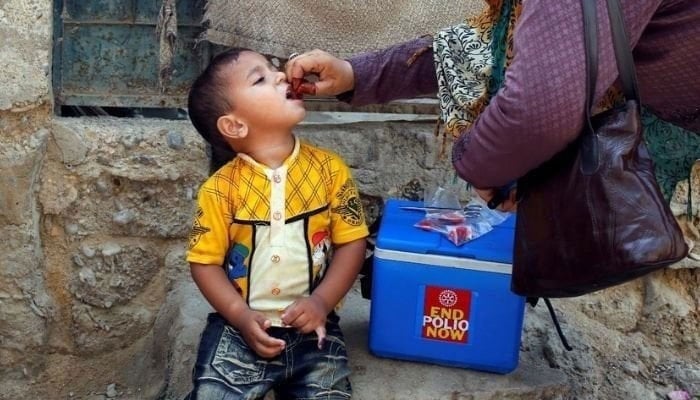
Pakistan’s first polio vaccination campaign for 2026 has officially begun. The campaign, which started on Monday (February 2), will end on February 5 in most cities, while Sindh has planned a week-long campaign ending on February 8. According to news reports, the province is planning to vaccinate 10.5 million children. Last year, the country reported 31 cases, most of which originated in Khyber Pakhtunkhwa (KP). Sindh followed with nine cases. Balochistan was a success, with no cases reported throughout the year, although the province had reported 27 of the total 74 cases in 2024. This in itself is proof that with successful campaigns, Pakistan can wipe out the virus from its land, which is an epidemic in only Pakistan and Afghanistan. To the government’s credit, the intervention by authorities has been successful.
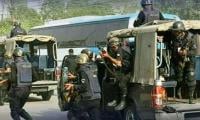
A mix of carrot-and-stick approach and gentle attitude helped convince most parents to get their children vaccinated. In Sindh, the chief minister adopted a strict approach, warning that parents who refuse to have their children vaccinated could have their SIM cards blocked and ID cards suspended. On the contrary, in Skardu, the assistant commissioner set an example by taking the drops and convincing the parent to allow his child to have them as well. It is good to note that the government is being creative in its campaign and introducing different approaches at the right time to save children. For Pakistan, the two problems are vaccine hesitancy and rising militancy. In many areas, militants see such campaigns as covert operations by the authorities for data collection that can help them locate militant hideouts easily. Resultantly, a mere vaccination campaign aimed at helping children avoid lifelong disability turns into a war-like situation where militants launch deadly attacks against polio workers and police officers guarding them. This problem cannot be solved by brute force, and it is indeed a big challenge for the government. But the severity of the problem must not be used by the authorities as a free pass to absolve themselves of any responsibility.
The fact that KP reported the highest number of polio cases in 2025 is a failure of both the provincial government and the federal health authorities. Children in KP should not be thrown towards a life of disability merely because of where they were born. The government must make additional efforts to ensure vaccination campaigns succeed there. The second problem, vaccine hesitancy, requires direct communication links between parents and authorities. The reluctance stems from both fear and anger. When a government fails to provide basic facilities to its people, they see rebellion against the government’s directives as the only form of expressing their protests. Just as the AC did in Skardu, only a gentle approach can help in this regard. The government should also launch large-scale awareness campaigns. Partnerships with schools can also help parents better understand why such vaccination is important and how their reluctance could put their child’s life at risk. Our dream of a polio-free Pakistan can only come true if the government succeeds in building trust with parents.