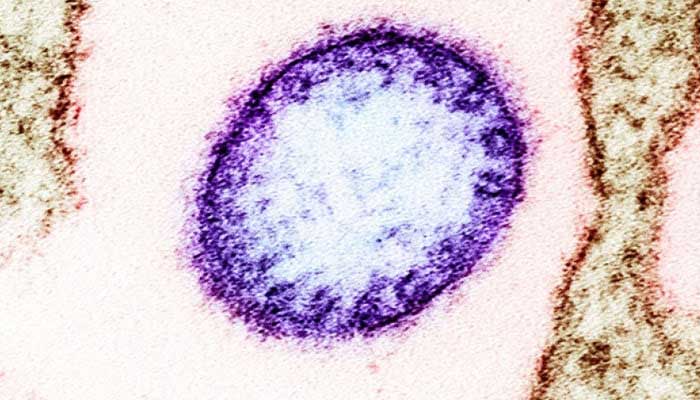
The world has barely recovered from the aftershocks of the Covid-19 pandemic and is now fighting fears of falling into the grip of a deadly disease called the Nipah virus. Since December 2025, two confirmed cases of the virus have been reported in West Bengal, India, and there are fears it may spread to other countries. According to news reports, Nipah is a zoonotic virus – a disease transmitted from animals such as fruit bats and flying foxes to humans. It can also be transmitted to humans via contaminated food products or directly from person to person. The virus can be deadly. It typically incubates in the human body for five to 14 days, with symptoms occurring within three to four days.
This indeed feels like a deja vu moment for countries. In late 2019, the coronavirus emerged as an isolated case in China. It became a pandemic within weeks, giving countries no time to prepare for the virus. Thankfully, the fears are likely inflated. The World Health Organisation (WHO) believes there is a low risk of the deadly Nipah virus spreading from India, and it has not recommended travel or trade curbs. India regularly reports sporadic Nipah infections, particularly in its southern state of Kerala, regarded as one of the world’s highest-risk regions for the virus, linked to dozens of deaths since it first emerged there in 2018. While there may not be an immediate threat of the virus turning into a full-blown pandemic, there is no harm in exercising caution. On that basis, it is heartening that Pakistan has implemented strict health surveillance at all entry points to prevent cross-border transmission of the virus. The country should also launch an awareness campaign to inform people about the precautions they can take at the individual level to protect themselves against the virus.
For starters, wearing masks in crowded spaces should be encouraged, especially at airports. The world has now become a global village and interactions with people who have been to multiple countries are now quite common. We also have a major cricket event coming up, where increased cross-border movement is inevitable. Covid-19 required a few cross-border travels to blow out of proportion. It is important for us to not take the Nipah virus lightly. India and Pakistan may not be on the best of terms at the moment, but they should work together to contain the spread of the virus. This may include information sharing, coordinated surveillance or joint health briefings. Any kind of repeat of 2020, even at a local or regional level, will be disastrous for the global economy and Pakistan at the moment cannot absorb the shocks caused by external disruptions. The world needs to come together and take timely steps to curb the spread of the virus.