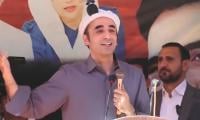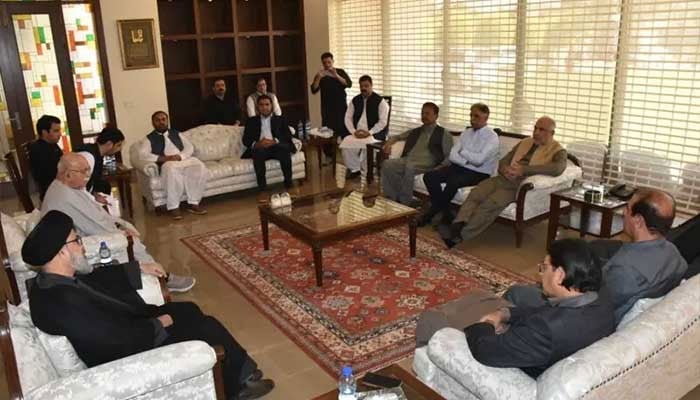
At a national consultative conference organised by the Tehreek-e-Tahafuz Ayin-e-Pakistan (TTAP), the opposition alliance on Sunday called for the immediate appointment of an independent chief election commissioner (CEC) and insisted on free, fair and transparent elections. These demands are neither new nor unreasonable. Pakistan’s recent political history has repeatedly shown that when the credibility of elections is questioned, the entire democratic edifice begins to crack. Allegations of rigging in both the 2018 and 2024 elections have taken a heavy toll on public trust. When confidence in the electoral process is eroded, democracy and the political class suffer alike. It is therefore all the more important that the government and the opposition meet to at least discuss establishing an independent election commission, so that the next elections are not controversial and people’s confidence in the electoral process is restored.
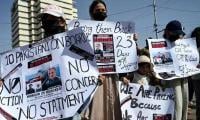
The joint declaration at the TTAP conference also criticised the erosion of judicial independence, condemned Peca as well as enforced disappearances and called all such measures unconstitutional and politically motivated. These are serious concerns that go beyond partisan politics. Media freedom, judicial autonomy and protection from arbitrary state action are pillars of any functioning democracy. Their weakening inevitably shrinks democratic space and fuels political instability. he presence of important voices from Balochistan and Khyber Pakhtunkhwa at the TTAP conference, along with civil society and media representatives, was particularly significant. The grievances of these regions cannot be wished away and the government needs to be more tolerant of genuine concerns, rather than treating criticism as hostility. Importantly, the declaration highlighted the need for a new Charter of Democracy and emphasised that the option of talks should never be closed. In principle, this is a sound and necessary position. No democracy can function if politics is reduced to perpetual confrontation, legal warfare and street power alone. However, there is a glaring contradiction here. Former prime minister Imran Khan’s latest directive to Khyber Pakhtunkhwa Chief Minister Sohail Afridi to prepare for a protest movement appears to run counter to calls for dialogue from within the PTI and the opposition alliance. Street agitation may mobilise supporters, but recent experience suggests that it has not delivered tangible political gains for the party. Instead, it has hardened positions and narrowed the already limited space for engagement.
The government’s rhetoric has also moved in conflicting directions. Law Minister Azam Nazeer Tarar on Sunday called for a charter of politics to foster political maturity, stability and the nation’s progress. Senior PML-N leader Rana Sanaullah echoed these thoughts. Yet, political observers say the Shehbaz government believes that without an apology for May 9 and other such campaigns against the military, dialogue with the PTI is not possible. While accountability for violence and vandalism is legitimate, turning apologies into preconditions for political engagement risks freezing the political process altogether. Dialogue, by its very nature, is meant to resolve grievances, not pre-empt them. TAt the same time, the PTI also needs to change its political strategy. Its confrontational attitude and reliance on street movements have, so far, not helped the party or the broader democratic cause. What is now needed is a step back and a willingness to engage with opposing political forces, even when mistrust runs deep. There is also concern that the government feels too ‘comfortable’ after recent legislation. This sense of security should not translate into dismissiveness towards opposition demands. Both the government and Imran Khan need to take a step back from their maximalist positions. The democratic future of this country hangs in the balance and the cost of continued stalemate may prove far higher than the price of dialogue.