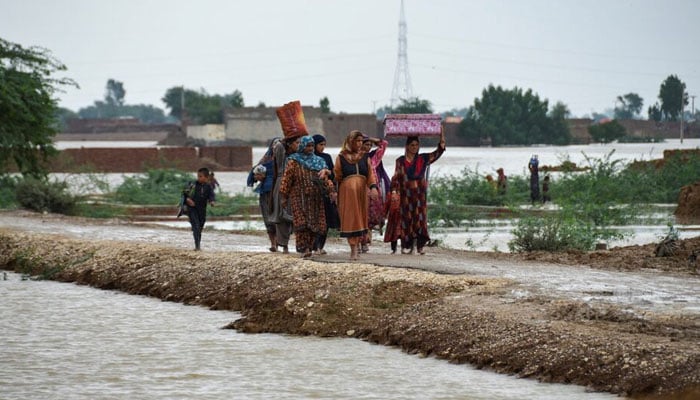
LAHORE:The Population Council has presented new evidence on Pakistan’s most vulnerable populations from most backward districts, which lack access to education and health, safety from natural calamities and opportunities for employment and growth. While presenting the latest report ‘District Vulnerability Index for Pakistan (DVIP) — Harnessing Multisectoral Data to Inform Equitable Policy and Climate Action’, the demographic experts emphasised Pakistan’s development agenda cannot advance without confronting the profound inequities identified through an Index for Pakistan about population vulnerabilities in most backward districts in comparison with the semi-urban and urban districts.
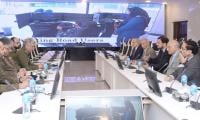
During a media coalition meeting, they underscored the central role of the media in amplifying district level disparities and promoting equitable development.Reflecting on the data, Population Council Senior Director Dr Ali Mir remarked, “The evidence clearly shows that basic health, education, livelihood services are not reaching millions who need them the most. These structural gaps are not abstract; they are lived realities. Unless we acknowledge these disparities and create public visibility around them, our policies will continue to fall short.”
While presenting Population Council's district level evidence, Technical Adviser Dr GM Arif and Manager Communication Ikram ul Ahad highlighted how deprivation, distance from services, and demographic pressures intersect to produce entrenched vulnerability across multiple districts. Describing the district level patterns, he noted, “In many parts of Pakistan, where a person lives determines their opportunities, their health, and even their resilience to crisis. The data shows how health facilities, schools, and essential services are simply too far for too many. Addressing these inequities is not optional, it is basic to reducing vulnerability.”
During the session, the presenters explained that the most vulnerable districts face far higher fertility rates, limited access to basic health services, and minimal Lady Health Worker outreach. In districts such as Chagai, Jhal Magsi, Kohat, Umerkot, and Lodhran, many rural households have not been visited by an LHW in the last month, leaving communities without family planning counselling.