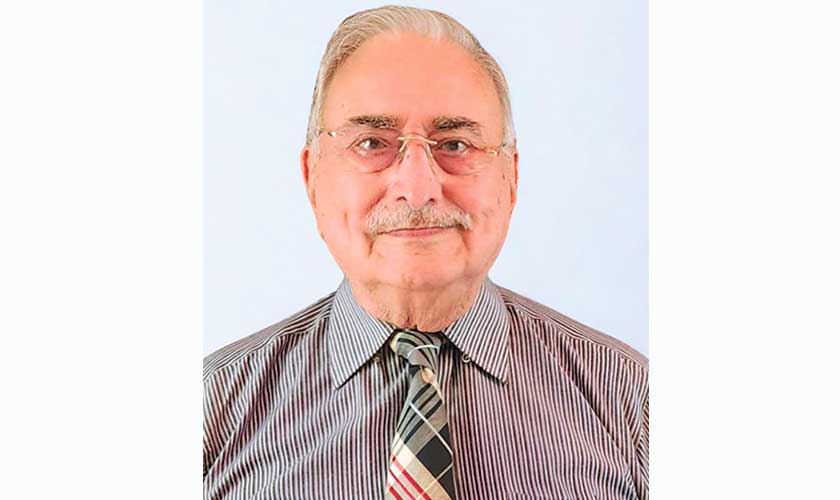
This week, You! spoke with Dr Yusuf Kamal about why weight loss is so hard, why crash diets fail and why obesity is now seen as a chronic disease rather than a lifestyle issue…
interview
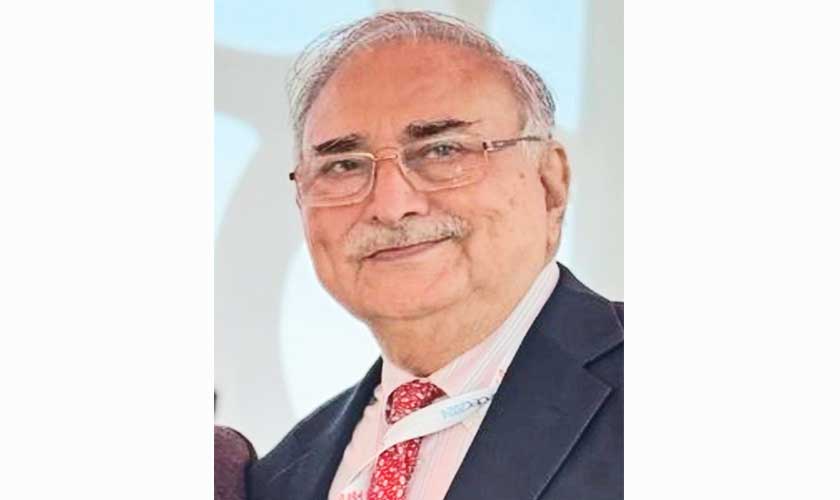
With obesity becoming one of the country’s biggest health concerns, doctors are now urging people to stop treating weight gain as a simple ‘eat less, move more’ issue. Genetics, hormones, stress, poor sleep, desk jobs, fried food and even cultural habits all play a role. The bigger concern? Most people only seek help once diabetes, blood pressure or heart problems enter the picture. This week You! sat down with Dr Yusuf Kamal to break down why losing weight is so difficult, why crash diets rarely work and why obesity is now being treated as a chronic disease rather than just a lifestyle problem. From stubborn belly fat to weight loss medications, he explains it all in simple terms…
Obesity is often casually linked to overeating or laziness. Has the medical understanding changed?
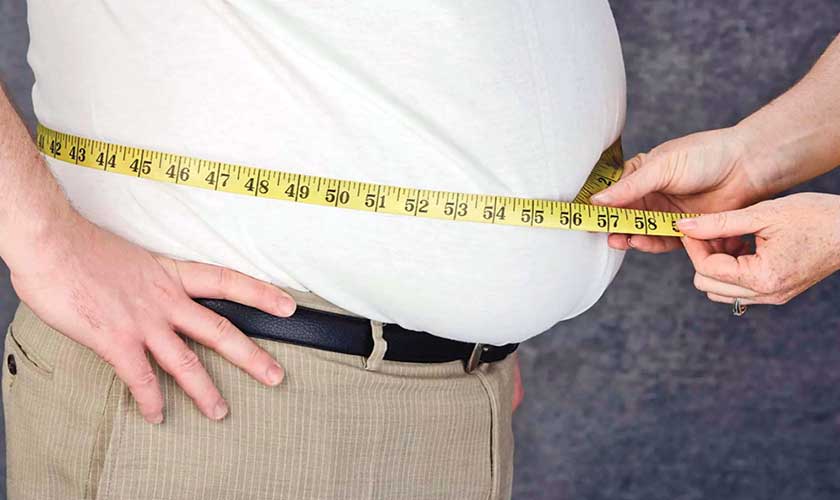
Absolutely. Obesity is now recognised as a chronic disease, not simply a lifestyle issue or lack of discipline. Doctors today look beyond just body weight. In South Asians especially, belly fat is a major concern because fat around the abdomen and organs is far more dangerous than fat under the skin. It raises the risk of diabetes, heart disease, blood pressure and even kidney problems. That is why obesity is often called the ‘mother of all diseases.’
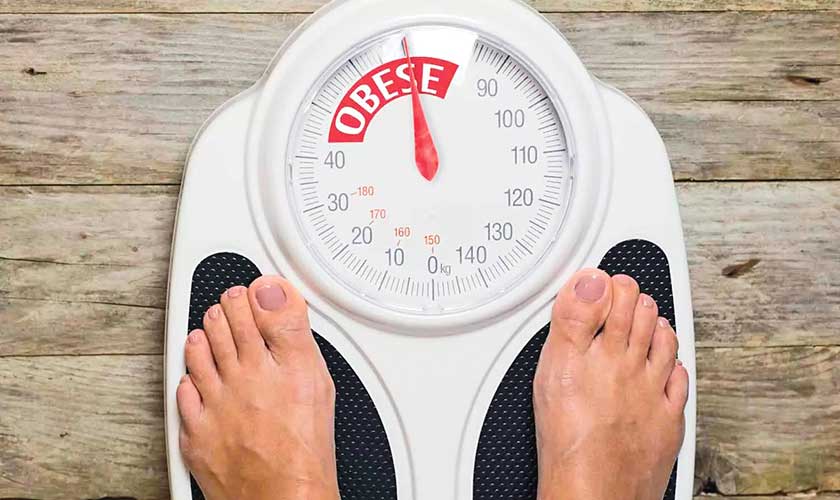
Can someone appear healthy on the scale but still be at risk?
Someone can look ‘normal’ in weight but still have unhealthy visceral fat around the organs. Waist size often tells us more than overall weight, especially in our population.
Why is losing weight so difficult for so many people?
Because it is not just about willpower. Biology plays a huge role. Genetics can affect metabolism, appetite and how the body stores fat. If obesity, diabetes or metabolic disease runs in the family, the risk naturally increases. Then hormones come into the picture. The body has systems that regulate hunger and fullness. In obesity, these signals can become disturbed, which means people feel hungry more often or don’t feel satisfied easily.
When people say, “I barely eat but still gain weight,” there can actually be science behind it?
Yes, definitely. Weight gain is much more complex than people think. Stress, poor sleep, hormonal changes, sedentary lifestyles and even certain medications can contribute.
How much is modern lifestyle responsible for this rise in obesity?
A lot. We move far less now. Desk jobs, screen time and lack of physical activity have changed daily life completely. At the same time, processed foods, sugary drinks, fried snacks and refined carbohydrates have become part of routine eating habits. In South Asia particularly, our diets tend to be heavy in oil, sugar and refined flour. Combine that with low activity levels and the risk rises quickly.
Women often say losing weight feels harder for them than men. Is that true?
Yes, there are biological and lifestyle differences. Women go through hormonal shifts during puberty, pregnancy and menopause, all of which affect metabolism and fat storage. After menopause especially, weight tends to collect more around the abdomen. There are also social factors. Many women spend most of their day managing work and households but still have little time for themselves. Exercise often becomes the last priority. In many cultures, women also have fewer opportunities for structured physical activity compared to men.
What is the biggest mistake people make while trying to lose weight?
Expecting quick results. Many people follow extreme diets for a few weeks and then become discouraged. Sustainable weight loss takes time. Another issue is focusing only on the number on the scale. Belly fat is usually the most harmful and also the hardest to lose. Someone may lose weight overall but still struggle with abdominal fat.
Why do people regain weight after dieting?
Because the body fights back. When someone loses weight rapidly, the body often slows metabolism and increases hunger signals to regain the lost weight. That is why crash diets rarely work long term. Obesity management needs consistency, not temporary fixes.
A lot of people genuinely diet and exercise but still don’t see major changes. What happens in those cases?
Lifestyle changes are essential, but for some individuals they may not be enough on their own. Most diets lead to modest weight loss, sometimes only around five per cent of body weight. For people with severe obesity or metabolic disease, additional medical support may be needed. Also, habits are deeply linked with culture and emotions. Food is part of celebrations, stress relief and social gatherings. Changing those patterns is not easy.
Has the medical treatment of obesity changed in recent years?
Very significantly. Earlier, the entire conversation revolved around ‘eat less and exercise more’. While those remain important, medicine now understands obesity as a disease that often needs long-term management. There are now research-based medications that can support weight loss by controlling appetite and helping people feel full for longer. Some of these were initially developed for diabetes but have also shown strong results in obesity treatment.
Are these the injections everyone has been talking about lately?
Yes, many of the newer medications belong to that category. They help regulate appetite and reduce overall calorie intake. But they are not magic solutions.
Should weight loss medication be viewed as a support system rather than a quick fix?
Medication works best when combined with healthier eating, movement and lifestyle changes. If someone continues unhealthy habits while relying only on medication, long-term success becomes difficult.
Why is there still so much judgment around weight loss medication?
Because many people still believe obesity is simply caused by laziness or lack of self-control. Once patients understand the biological and hormonal side of obesity, they become more open to treatment. No one shames a diabetic person for taking medication. Obesity should be viewed similarly. Using medical support is not ‘cheating’.
When should someone consider medical intervention?
That depends on the individual’s BMI, waist circumference, overall health and risk factors. Not everyone who is overweight needs medication. But if obesity is affecting health or leading to complications, medical treatment can become important. The key is proper medical supervision. People should never self-medicate or take random injections from beauty clinics or online sellers.
There are now so many weight loss products and generics entering the market. Is that risky?
It can be. Patients should only use treatments prescribed by qualified doctors. Proper monitoring is necessary because these medications are not suitable for everyone. Safety should always come first. Unfortunately, social media has also created unrealistic expectations around “quick fixes,” which can be dangerous.
Is obesity still underestimated in Pakistan?
Very much. Many people do not seek help until they develop diabetes, high blood pressure or heart disease. Preventive healthcare is still lacking. Awareness needs to improve at every level, from schools to workplaces to healthcare systems.
What kind of changes would actually help on a larger scale?
Education is key. Children should learn healthy eating habits and the importance of physical activity from a young age. Healthcare systems also need to focus more on prevention rather than waiting for complications to appear. Public spaces that encourage walking, better food awareness and stronger health policies can all make a difference. Countries that invested in public health education and healthier urban planning have seen real improvements.
And finally, what should people struggling with obesity remember?
That obesity is not a personal failure. It is a medical condition influenced by genetics, hormones, environment and lifestyle. The goal should not just be looking thinner. The real goal is better health, better quality of life and preventing long-term complications.
The writer is a freelance journalist based in Karachi. She can be reached at [email protected]