World Bicycle Day, observed each year on 3rd June, reaffirms the importance of cycling as an affordable and environmentally friendly mode of transport.
wbd
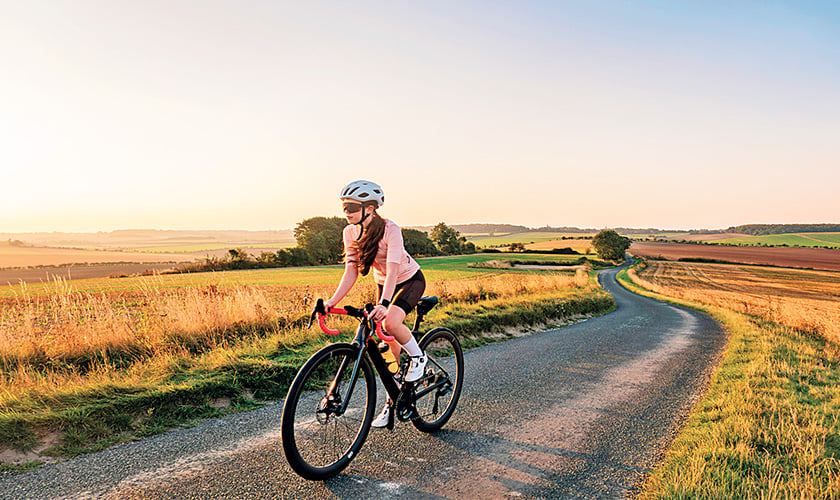
Bicycles are a simple and useful way to travel, used by people around the world every day. They do not require fuel, are easy to maintain and are affordable. Cycling helps people stay active and healthy while also reducing traffic and pollution in busy cities. Because of these benefits, bicycles continue to play an important role in daily life and transportation.
In Pakistan, the bicycle has long been more than just a means of transport. It is a symbol of affordability, resilience and quiet independence. From the narrow streets of old neighbourhoods to the open rural roads that connect villages, bicycles remain woven into everyday life, even as modern transport options expand and urban landscapes change.
For many people, especially those from lower-income households, bicycle provides access to opportunity. It allows workers to travel to their jobs without the burden of fuel costs and enables students to reach schools that might otherwise be too far to walk. In areas where public transport is limited or unreliable, a bicycle becomes a dependable companion. It offers control over time and movement, freeing individuals from waiting for buses or relying on expensive alternatives. This practical value makes cycling not only an economic choice but also a tool for social mobility.
In rural Pakistan, the bicycle continues to play an important role in daily routines. Farmers use it to reach their fields, transport small good or visit nearby markets. Health workers and teachers often rely on bicycles to cover distances across scattered communities. The simplicity of the bicycle suits these environments well: it requires minimal maintenance, does not depend on fuel and can be repaired with basic tools. In this way, it fits naturally into the rhythm of rural life, where resources may be limited but ingenuity is abundant.
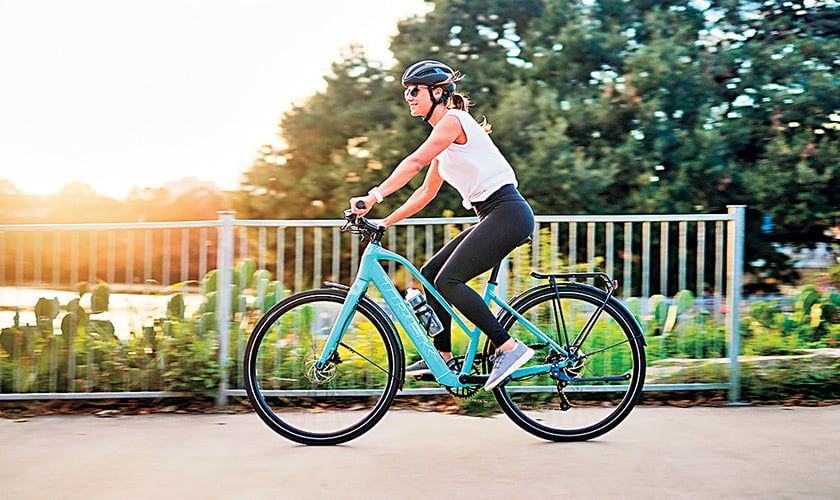
Urban areas, however, present a more complex picture. Cities such as Karachi, Lahore, Islamabad, Peshawar and Quetta have seen rapid growth in motor vehicles, leading to congested roads and rising pollution levels. In these settings, bicycles face challenges related to safety and infrastructure. Many roads are not designed with cyclists in mind and the lack of dedicated lanes makes riding a risky activity. Traffic behaviour can also discourage cycling, as drivers may not always respect or anticipate the presence of cyclists. Despite these difficulties, there is a growing awareness of the need to make cities more inclusive for non-motorised transport.
Environmental concerns add another layer of importance to cycling in Pakistan. Air pollution has become a serious issue in several urban centres, affecting public health and quality of life. Bicycles, being emission-free, offer a clean alternative and can help reduce the overall carbon footprint.
Encouraging more people to cycle, even for short distances, can contribute to cleaner air and quieter streets. It also aligns with global efforts to address climate change, demonstrating how small individual choices can collectively make a meaningful difference.
Health benefits are another strong argument in favour of cycling. Regular use of a bicycle promotes physical activity, which is necessary for preventing illnesses such as heart disease and diabetes. In a country where access to recreational facilities may be limited for many, cycling can serve as an accessible form of exercise. It integrates physical activity into daily routines, making it easier for people to stay active without needing special equipment or dedicated time.
In recent years, there have been encouraging signs of a renewed interest in cycling across Pakistan. Community groups, non-profit organisations and cycling enthusiasts have organised events to promote the culture of riding. Weekend cycling clubs in major cities attract participants from diverse backgrounds, including young professionals, students and families. These gatherings not only highlight the enjoyment of cycling but also help build a sense of community and shared purpose. They demonstrate that cycling can be both practical and recreational, bridging different aspects of urban life.
Women’s participation in cycling is another area where change is gradually taking place. Traditionally, cultural norms have limited the visibility of women cyclists in public spaces. However, initiatives aimed at empowering women through cycling are beginning to challenge these barriers. Training programmes, awareness campaigns and group rides have created safer and more supportive environments for women to learn and practise cycling. Each new rider represents a step towards greater inclusion and equality, showing how the bicycle can also be a vehicle for social change.
Government and policy support remain vital for the broader adoption of cycling in Pakistan. Developing dedicated bicycle lanes, improving road safety measures and integrating cycling into urban planning can make a significant difference. Public awareness campaigns can also play a role in changing attitudes towards cyclists, encouraging mutual respect among all road users. Investment in infrastructure does not necessarily require large budgets, compared with major transport projects, yet it can yield substantial benefits in terms of health, environment and mobility.
Education is another important element in promoting a cycling culture. Schools can encourage the students to use bicycles where feasible, while also teaching road safety and responsible riding practices. The media can highlight positive stories and role models, helping to shift perceptions and inspire more people to consider cycling as a viable option. When cycling is seen not as a sign of economic limitation but as a smart and sustainable choice, its appeal broadens across different segments of society.
World Bicycle Day serves as a reminder that progress does not always depend on complex technology or expensive solutions. Sometimes, it lies in rediscovering and valuing what has been available all along. In Pakistan, the bicycle carries a legacy of utility and endurance, yet it also holds the promise of a healthier and more sustainable future. By recognising its importance and addressing the challenges that limit its use, the country can move towards a more balanced and inclusive transport system.
In Pakistan, the story of cycling is still being written. It reflects the tensions between tradition and modernity, between necessity and choice. With thoughtful planning, community engagement and a willingness to embrace change, the bicycle can continue to play a meaningful role in shaping everyday life. It stands as a quiet but powerful reminder that progress can be both simple and accessible, moving forward one pedal at a time.
The writer is a seasoned journalist and a communications professional. He can be reached at [email protected]