World Environment Day (WED) is observed annually on 5th June to promote awareness and action for the protection of our environment. You! takes a look…
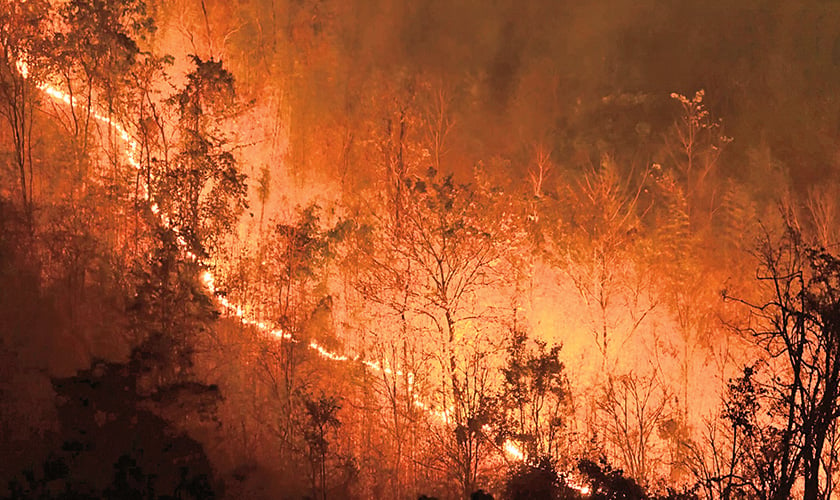
Nature has always communicated with humanity - sometimes gently, sometimes with devastating clarity. Floods, droughts, cyclones, earthquakes and heatwaves are not merely natural events; they are warnings. When respected, nature sustains life with beauty and abundance. When exploited, it responds with destruction. Simply put, we harvest what we cultivate.
When the environment remains balanced, societies flourish. When it is disturbed, the consequences return with force. History reinforces this truth. Ancient civilisations such as Mohenjo-Daro, Harappa and Taxila remind us that environmental shifts and changing climates have long influenced the rise and fall of societies.
World Environment Day (WED) is observed annually on 5th June to promote awareness and action for the protection of our environment. It was established by the United Nations General Assembly in 1972 and first celebrated in 1973. Since then, World Environment Day has continued to inspire nations, communities and individuals to work towards a healthier, greener and more sustainable planet.
Climate justice
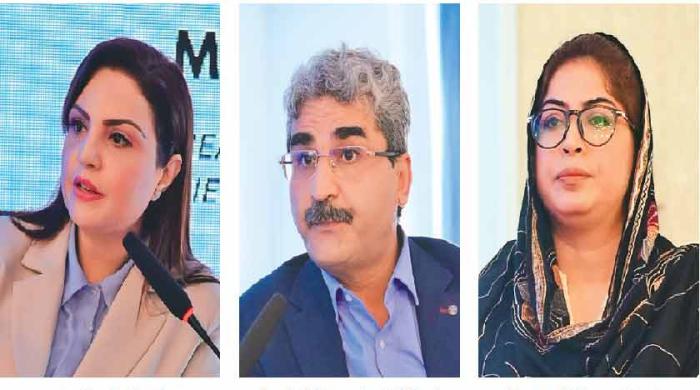
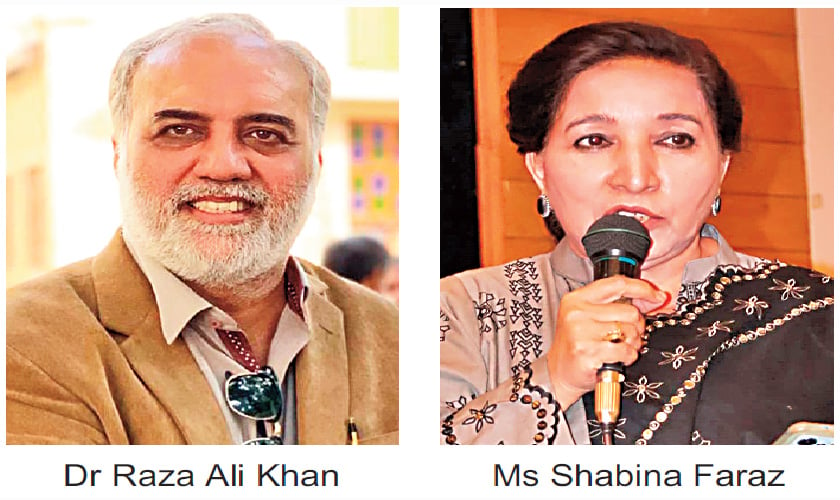
A critical dimension of today’s environmental discourse is climate justice. As Prof Dr Raza Ali Khan aptly noted, World Environment Day is not just about planting trees or reducing plastic use; it raises a deeper question: is the burden of climate change being shared fairly? This leads us to the important concept of climate justice - the idea that countries contributing least to climate change are often suffering the most from its impacts.
The reality is stark. Developed nations, which have historically contributed the most to global carbon emissions, remain among the largest polluters. In contrast, countries like Pakistan, Bangladesh and many African nations contribute relatively little, yet face disproportionate impacts - floods, droughts, extreme heat and climate shocks. The fundamental principle of climate justice is responsibility and affordability. Those who bear the greatest responsibility must do more through financial support, technology transfer, climate funds and investment in green energy. The Paris Agreement was an important step but its implementation remains uncertain and uneven.
Climate change is not only an environmental issue; it is also a matter of social and economic justice. Climate justice is not simply about reducing carbon emissions; it is about protecting human dignity, livelihoods and basic rights. Countries like Pakistan must raise a stronger voice globally and present their case with evidence and confidence. At the same time, domestic reforms are equally necessary. Transparency in policies, seriousness in environmental projects, investments in renewable energy, better water management and improved urban planning can reduce risks while strengthening economic stability.
Another overlooked dimension of climate justice is the growing divide between those who can adapt and those who cannot. Wealthier nations are building stronger infrastructure, early warning systems and climate-smart agriculture, while poorer countries often struggle to recover from one disaster before the next arrives. This creates a cycle where the most vulnerable remain trapped in repeated loss.
Climate change is also becoming a driver of displacement. Rising sea levels, prolonged droughts and shrinking water resources are forcing communities to leave their homes. Yet, the world still lacks a clear framework to recognise and protect climate-displaced populations. This raises serious ethical and legal questions about shared responsibility and global solidarity.
Powerful economies and multinational corporations continue to benefit from systems of production and consumption that degrade the environment, often at the expense of less developed regions. Without strict rules and follow-up, climate commitments might just be “words on paper” rather than real actions that reduce environmental damage. Climate justice, therefore, demands more than statements; it requires fairness in economic systems, governance and international cooperation.
At the same time, vulnerable communities must not be seen only as victims. Their local knowledge, resilience and adaptive practices are valuable assets in building sustainable futures. Empowering these communities ensures that climate solutions are inclusive, practical and just.
Ultimately, climate justice is not an act of charity; it is a moral obligation and practical necessity. If fairness and responsibility are not placed at the centre of climate action, the crisis will not remain limited to a few regions. It will affect all of humanity. A sustainable future depends on whether we choose equity over indifference and collective action over fragmented responses.
Frontlines of resilience
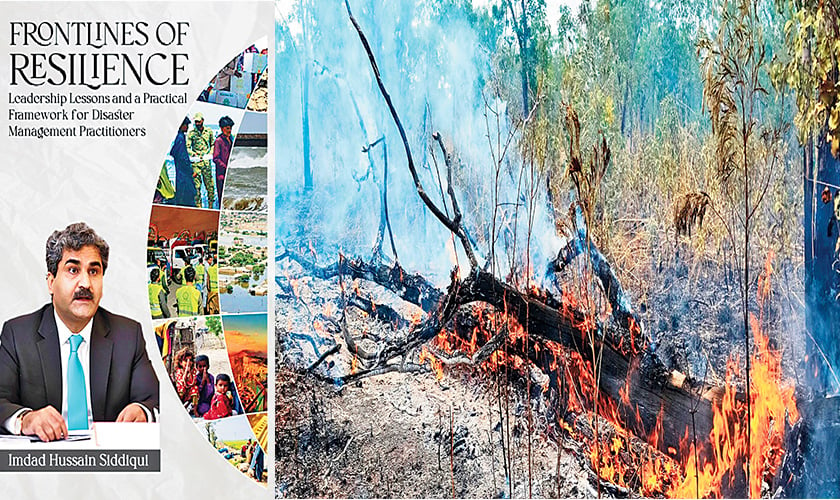
Against this backdrop, the book ‘Frontlines of Resilience: Leadership Lessons and a Practical Framework for Disaster Management Practitioners’ by Imdad Hussain Siddiqui, (Former Director Operations PDMA Sindh, currently serving as Director of the Climate and Disaster Justice Unit, Provincial Ombudsman Sindh, Karachi, Pakistan) offers timely and important insights. It is not merely a book; it reflects lived realities and serves as a warning for the future. The book acts as a practical guide for disaster management practitioners, offering a roadmap for building resilience in an increasingly uncertain climate.
At a time when climate change is no longer a future threat but a present emergency, the book presents timely lessons for policymakers, institutions, practitioners and citizens alike. The work highlights a crucial truth: disasters today are not only natural events; they are also tests of governance, preparedness and humanity. Floods, droughts and climate shocks are no longer isolated tragedies; rather, they are consequences of prolonged environmental neglect.
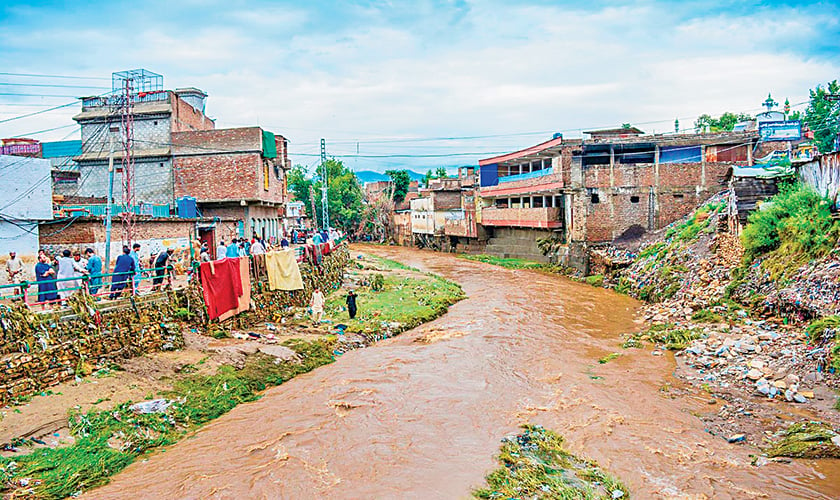
One of the strongest messages is that disasters reveal not only the force of nature but also the strength or weakness of institutions. During the floods, PDMA (Provincial Disaster Management Authority), district administrations, health departments, irrigation authorities, local governments, rescue services, the armed forces and humanitarian partners operated under extraordinary pressure. Roads were submerged, communication systems were disrupted, disease risks were rising and millions needed urgent assistance. In such circumstances, coordination was not routine - it was a lifeline.
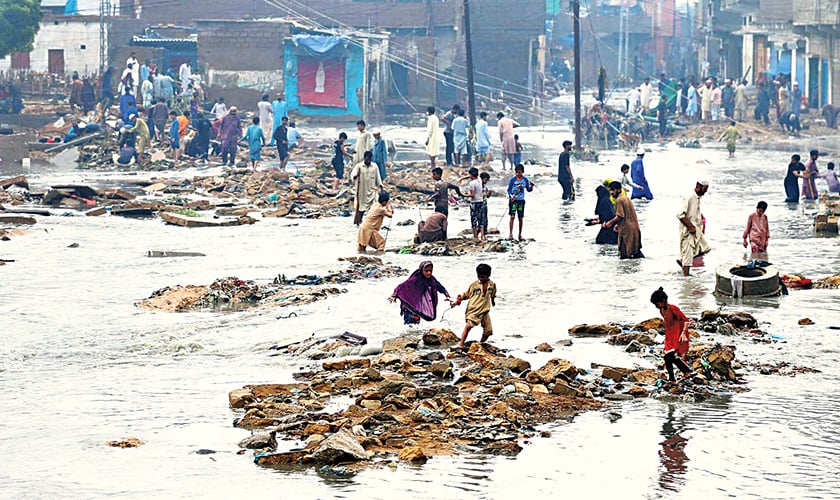
The strategies highlighted show that integrated response among departments reduced suffering through relief operations, evacuation planning, shelter management, food distribution, medical support, drainage interventions, livestock assistance and rehabilitation efforts. A valuable lesson emerges: no single department can manage a climate emergency alone.
The book also acknowledges those whose names rarely appear in headlines: officers who receive emergency calls throughout the night, health workers who serve without rest, rescue teams working in dangerous conditions, engineers restoring access routes, teachers supporting displaced children, sanitation workers reducing disease risks and volunteers carrying food through mud and stagnant water. These people form the human chain of resilience.
The broader message of the book is clear: environmental neglect does not just increase the frequency of disasters – it also magnifies their human and economic costs. If ecosystems are ignored, disasters become harsher and recovery becomes more expensive. When wetlands disappear, floodwater has nowhere to safely disperse. When forests decline, heat intensifies. When drainage channels are blocked, cities flood. When water systems fail, agriculture weakens. This reminds us that resilience is not built in moments of crisis but through sustained investment in systems, institutions and communities.
A call for action
Ms Shabina Faraz, an environmental activist, rightly observes that World Environment Day is not merely symbolic but a reminder of our collective responsibility. According to her, it is a moment to pause, reflect and honestly examine the condition of our planet. Her perspective connects awareness with accountability, urging us to ask difficult but necessary questions: What have we done to our environment? How have we polluted the air, water and soil that sustain life? And more importantly, what can still be done before the damage becomes irreversible?
Climate awareness and action have never been more urgent. Even small changes - adopting responsible habits, demanding better policies and protecting nature at the community level - can contribute to meaningful impact. However, this urgency is heightened by global realities. Armed conflicts across the world are not only humanitarian crises but also environmental disasters. Bombardment, toxic emissions, chemical leaks and the destruction of ecosystems leave long-term ecological damage that extends beyond borders. Polluted air and contaminated water do not recognise political boundaries.
At the same time, humanity invests billions in searching for life on other planets while neglecting the one that already sustains us. This contradiction reflects a deeper crisis of priorities. Pakistan, despite its rich ecological diversity, faces increasing environmental vulnerability due to weak governance and limited investment in sustainability.
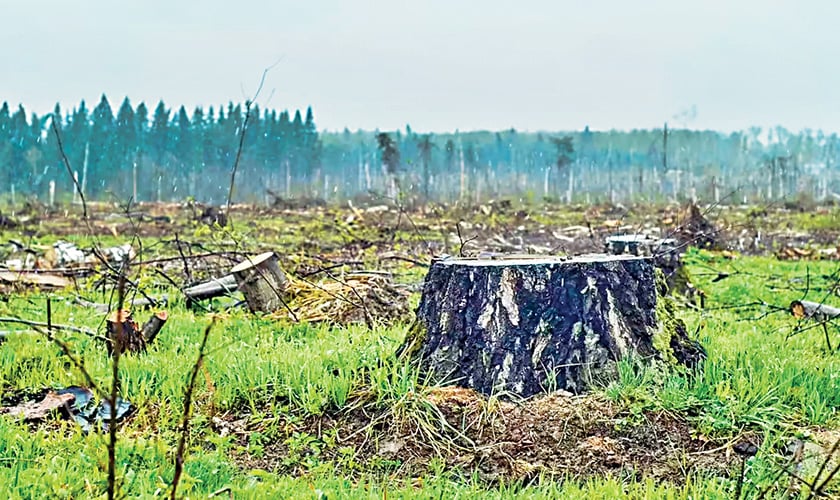
Environmental awareness must therefore become a national priority. Climate education should be integrated at all levels and the media must play a more active role in highlighting environmental issues. Special attention should also be given to amplifying the voices of women, particularly in vulnerable communities, who are often most affected by climate change.
World Environment Day should not remain a ceremonial observance. It must serve as a call for stronger institutions, environmental justice and responsible action. Climate justice must move from rhetoric to reality. Without these steps, the gap between vulnerability and resilience will continue to widen, leaving millions exposed to an avoidable crisis.
The writer is an educationist and researcher. She can be reached at [email protected]