This week, You! highlights World Milk Day, celebrated on 1st June, and shares how milk can benefit you in different ways…
health
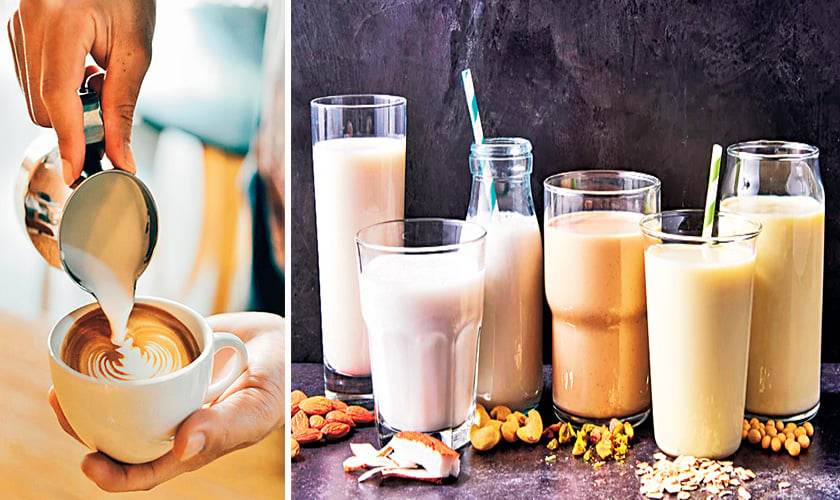
Every morning starts the same for a lot of homes. Someone boils liquid in a pot; steam hits the lid and that familiar smell fills the kitchen. Tea, cereal, coffee or that early glass before school or work, it shows up in almost every routine in some form. It’s simple, familiar and always there in the background of daily life.
That everyday staple gets its own global moment on 1st June, known as World Milk Day. It’s a reminder of how deeply milk sits in diets across the world, including our own homes where chai feels incomplete without it and desserts feel incomplete without it too.
So, this feels like the right time to talk about milk in a way that goes a little beyond the usual. This week You! shares how milk can benefit you in different ways…
The everyday hero in your kitchen
Milk is one of those things that rarely gets attention unless it’s missing from the fridge. Yet it carries a long list of nutrients that the body uses every day. It contains calcium for bones, protein for muscle repair, vitamin B12 for energy support and potassium for heart function. It also gives hydration and a gentle source of energy that doesn’t feel heavy. For growing bodies, working adults or even people trying to recover from illness, it fills nutritional gaps without demanding effort from the person drinking it. And in many households, it’s one of the few consistent sources of nutrition that doesn’t need planning or preparation beyond boiling. And let’s be honest. In this part of the world, milk and tea are emotionally linked. Strong chai depends on milk. The way it blends with tea leaves, how it softens the bitterness, how it creates that creamy colour, it’s a whole process that feels almost ritualistic. Some people like thick doodh patti, boiled slowly until it turns deep and rich. Others prefer lighter chai where milk plays a softer role. Either way, milk carries the entire personality of the cup. And no, powdered creamer doesn’t replace it. That’s a different conversation.
Types of milk you’ll find around you
Milk is not a one-size situation. Different types bring different textures, tastes and uses.
Full Cream Milk - This is the classic one used in most homes. Thick, rich and ideal for chai, kheer and homemade sweets. It gives body to tea and makes desserts taste fuller.
Toned Milk - A lighter version with reduced fat. Good for people who want something easier on the stomach but still want the nutrition.
UHT Milk (Long-life milk) - This one comes in cartons and can sit outside the fridge until opened. Very common for backup use when fresh milk runs out.
Skimmed Milk - Low in fat and often used for fitness goals. It feels lighter and less creamy but still gives protein and calcium.
Buffalo Milk - Thicker and creamier than cow milk. In many South Asian homes, this is the go-to for yoghurt and desserts because it sets beautifully.
Plant-Based Milk (New but growing) - Almond, oat and soy milk are slowly becoming part of urban kitchens. People use them for lactose intolerance or dietary preference. They behave differently in cooking, especially in tea and desserts, so they take a bit of experimenting.
Dishes that depend on milk
Milk is the backbone of most traditional desserts.
Kheer - Rice slowly cooked in milk, sugar and cardamom. It thickens over time and turns into comfort in a bowl.
Custard - Simple, smooth and usually served chilled. Milk gives it that soft texture that holds everything together.
Bread Pudding - Old bread, milk, sugar and eggs turned into something warm and nostalgic.
Rabri - Milk reduced for hours until it becomes thick, layered and slightly caramelised in taste.
Lassi base - Even when yoghurt is the star, milk often joins in to adjust texture and richness.
Milk holds these recipes together in a way no substitute really matches. But it doesn’t stay in the sweet lane only. It shows up in savoury dishes too. White sauces for pasta and baked dishes rely on milk for smoothness. Some people add it to mashed potatoes to make them soft and creamy. In certain curries, a small amount balances spice and gives depth without making the dish heavy. Even breakfast omelettes sometimes get a splash of milk to make them fluffier.
Milk has also found its way into newer food habits. Milkshakes with fruits and chocolate, iced lattes, smoothies with oats and bananas and dessert jars all rely on milk as a base. Cafes experiment with different textures, from thick shakes to light foamed drinks. Even home kitchens now blend milk into overnight oats or protein shakes for quick meals. It has shifted from only traditional use to a flexible ingredient in everyday food routines.
What milk does for the body
Beyond taste and cooking, milk brings a few steady benefits:
• Supports bone strength through calcium
• Helps muscle recovery with protein
• Keeps energy levels stable
• Supports hydration
• Gives a mix of vitamins that are hard to get from one source
It works best when paired with a balanced diet, but even on its own, it carries value. There’s a reason it’s introduced early in life and stays around in diets for years. Milk also behaves differently depending on how it’s used. Cold milk feels refreshing, especially in summer. Warm milk is calming and often linked to bedtime routines. Frothy milk turns into cappuccino foam or chai top layers that feel slightly indulgent. Even the same ingredient changes personality based on temperature and technique. That’s part of why it never feels repetitive.