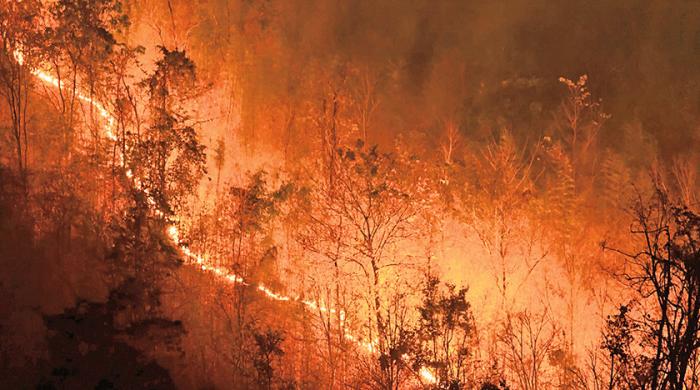
World Earth Day, observed every year on April 22nd,reminds people of their duty to protect the planet and to live in harmony with nature. Read on…
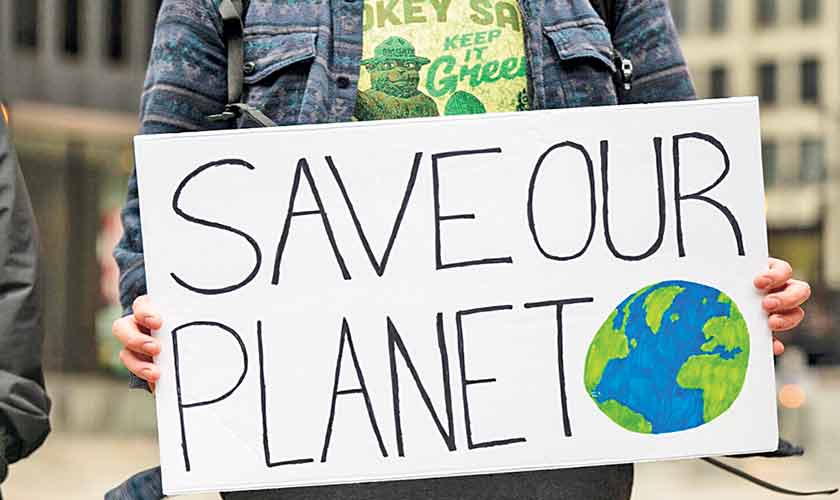
The Earth provides everything necessary for life, including air, water, food and shelter. However, human activities have placed great pressure on the environment. Pollution, deforestation, climate change and waste are damaging the natural balance. In Pakistan, World Earth Day is very important because the country faces many environmental challenges. This day gives people in Pakistan an opportunity to reflect on their actions and take steps toward protecting their environment for present and future generations.
Pakistan is a country blessed with diverse natural beauty. It has high mountains, fertile plains, rivers, deserts, forests and a long coastline. These natural resources support millions of people and many species of animals and plants.
The Indus River, for example, is the lifeline of the country. It provides water for agriculture, drinking and industry. The northern areas contain some of the highest mountains in the world, including glaciers that store fresh water. Forests in different parts of the country help control the climate, prevent soil erosion and provide homes for wildlife. However, these natural resources are under threat due to human activities and poor environmental management.
One of the major environmental problems here is air pollution. In large cities such as Karachi, Lahore and Islamabad, air quality has become very poor. Smoke from vehicles, factories and burning waste releases harmful gases into the air. These gases are dangerous to human health and can cause breathing problems, heart disease and other illnesses. Smog has become a serious issue, especially during winter. It reduces visibility and makes it difficult for people to breathe. Children often suffer from coughs and throat irritation, while elderly people may face serious health risks. World Earth Day reminds us to reduce air pollution by using cleaner energy, maintaining vehicles properly and planting more trees.
Water pollution is another major problem in Pakistan. Many rivers, canals and lakes are polluted by industrial waste, sewage and plastic. When factories release untreated waste into water, it harms aquatic life and makes the water unsafe for humans. Many people do not have access to clean drinking water. Contaminated water can cause diseases such as diarrhoea, cholera and hepatitis. In rural areas, people sometimes have no choice but to use polluted water for their daily needs. This affects their health and quality of life. World Earth Day highlights the importance of protecting water resources. People must avoid throwing waste into rivers and should support proper waste treatment systems.
Deforestation is also a major concern in Pakistan. Trees are cut down for fuel, construction and agriculture. In many rural areas, people depend on wood as a source of energy for cooking and heating. This increases the cutting of trees. Forests are important because they produce oxygen, absorb carbon dioxide and provide habitats for animals. They also help prevent floods and landslides. When forests are destroyed, the soil becomes weak and can be washed away during heavy rains. Earth Day encourages people to plant trees and protect existing forests. Pakistan has one of the lowest forest cover percentages in the region. Tree plantation campaigns are often organised on this day to increase awareness and restore green areas.
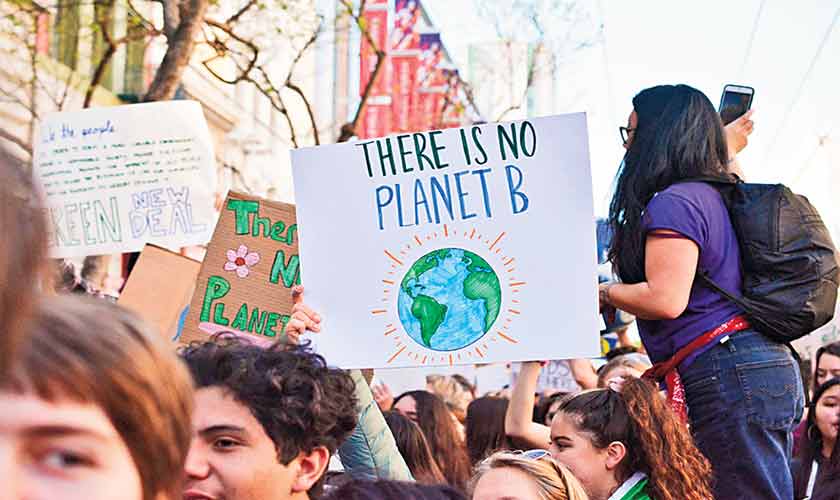
Climate change is also affecting the country in many ways. Pakistan has experienced floods, heatwaves, droughts and changes in weather patterns. In recent years, floods have caused destruction to homes, crops and infrastructure. Many families have lost their homes and livelihoods due to these disasters. Heatwaves have become more frequent and intense, especially in urban areas where there is less greenery. High temperatures can cause dehydration, heatstroke and even death. Glaciers in the northern regions are melting faster due to rising temperatures. This increases the risk of floods and reduces long-term water availability. Farmers are also affected because changing weather patterns disrupt crop production. Climate change is a global problem but requires local action. Pakistan must adopt environmentally-friendly practices to reduce its impact on the climate.
Waste management is another important environmental issue. Large amounts of waste are produced daily in cities and towns. Plastic waste is especially harmful because it does not break down easily. Plastic bags, bottles and other items often end up in rivers, streets and open areas. This harms animals and pollutes the environment. In many places, waste is burned in open areas, which releases harmful smoke into the air. Poor waste management also creates health risks for humans by spreading germs and attracting insects.
This day encourages people to reduce, reuse and recycle waste. People can use cloth bags instead of plastic bags and avoid producing unnecessary waste.
Agriculture is a major part of Pakistan’s economy, but it also affects the environment. Farmers use fertilisers and pesticides to increase crop production. However, excessive use of these chemicals can harm the soil, water and human health. Over time, soil may lose its natural fertility. Excessive use of water for irrigation also leads to water shortages. Sustainable farming practices can help protect the environment while maintaining food production. World Earth Day promotes awareness about environmentally friendly farming methods, such as using organic fertilisers, planting trees around fields and conserving water.
Population growth is another factor that increases pressure on the environment. Pakistan’s population has grown rapidly over the years. More people require more food, water, housing and energy. This increases the use of natural resources and produces more waste. Urban areas are expanding and green spaces are decreasing. Housing societies, roads and buildings are replacing trees and agricultural land. This affects the natural balance and increases pollution, reminding people of the importance of responsible use of resources and sustainable development.
Education and awareness play a key role in protecting the environment. Many people are unaware of environmental issues. Schools, colleges and universities organise activities on World Earth Day to educate students. These activities include tree planting, cleanliness drives, speeches and awareness programmes. Through these activities, students learn about the importance of protecting nature and develop a sense of responsibility. When young people learn good habits, they can influence their families and communities.
The government of Pakistan has also taken steps to protect the environment. Various policies and programmes have been introduced to reduce pollution and increase forest cover. Tree plantation projects have been launched to restore forests and improve air quality. Laws have been created to control industrial pollution and protect wildlife. National parks and protected areas have been established to conserve biodiversity. Renewable energy projects, such as solar and wind energy, are being promoted to reduce pollution from fossil fuels. However, government efforts alone are not enough. Public participation is necessary to achieve real change. Earth Day encourages cooperation between the government, organisations and citizens.
Individuals can also play an important role in protecting the environment. Simple actions such as saving water, turning off unnecessary lights, reducing electricity use and avoiding plastic can make a difference. People can plant trees in their communities and keep their surroundings clean. Using public transport, cycling or walking instead of driving can reduce air pollution. People can also spread awareness among friends and family. Every small action contributes to environmental protection.
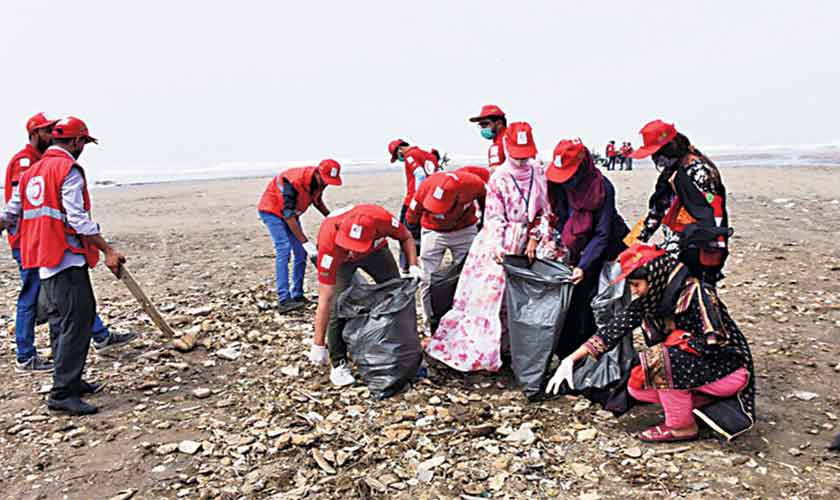
Communities in Pakistan often organise events on World Earth Day. Volunteers clean parks, beaches and streets, while environmental organisations conduct seminars and workshops. Media channels broadcast programmes to raise awareness. Social media is also used to spread messages about environmental protection. These activities help people understand the importance of protecting the Earth and foster a sense of responsibility.
Protecting the environment is not only important for nature but also for human health and economic development. A clean environment supports healthy people and strong communities. Natural resources are essential for agriculture, industry, fisheries and tourism. The northern areas attract tourists because of their natural beauty, while coastal areas support fishing communities. If the environment is damaged, it can harm the economy and reduce the quality of life. Environmental protection helps ensure long-term prosperity.
Pakistan faces many environmental challenges, but there is also hope. Many people, especially young individuals, are becoming more aware of and active in environmental protection. Schools and organisations are promoting green practices and tree plantation campaigns are increasing forest cover. Renewable energy sources such as solar panels are becoming more common in homes and businesses. Some cities are taking steps to improve waste management and reduce plastic use. These efforts can help create a cleaner and healthier future.
In addition, industries and businesses also have an important responsibility to protect the environment. Factories should use modern technology to reduce pollution and treat waste before releasing it into the air or water. Businesses can reduce the use of plastic in packaging and promote environmentally friendly products. Offices can save energy by using efficient lighting and minimising unnecessary electricity consumption. When businesses follow environmentally responsible practices, they not only protect nature but also set a positive example for others.
Transportation is another area where improvements can help protect the environment. Increasing the use of public transport, such as buses and trains, can reduce the number of vehicles on roads and lower air pollution. Carpooling and using bicycles are also useful ways to reduce pollution. The government can help by improving public transport systems and encouraging the use of clean-energy vehicles. These steps can improve air quality and protect public health.
Trees and green spaces in cities are also very important. Parks and gardens improve air quality and provide a healthy environment for people. They also reduce heat and make cities more comfortable. Planting more trees along roads and in neighbourhoods can greatly improve environmental conditions. Citizens can participate in tree plantation activities and take care of plants in their surroundings.
World Earth Day is not just a symbolic event; it is a reminder of responsibility and action. It encourages people to think about how their daily actions affect the environment. Every person in Pakistan has a role to play in protecting the environment. The Earth is our shared home and its protection is essential for survival. By reducing pollution, conserving resources and promoting sustainable practices, Pakistan can protect its natural beauty and ensure a better future.
World Earth Day reminds everyone that protecting the environment is not only necessary for today but also essential for the survival and well-being of future generations. It teaches that protecting the Earth is a shared duty and every positive action, no matter how small, contributes to a healthier and safer planet for all.
The writer is a seasoned journalist and a communications professional.He can be reached at [email protected]