Rising tensions between Iran on one side and the United States and Israel on the other have been driven by long-standing disputes over security...
REALITY CHECK
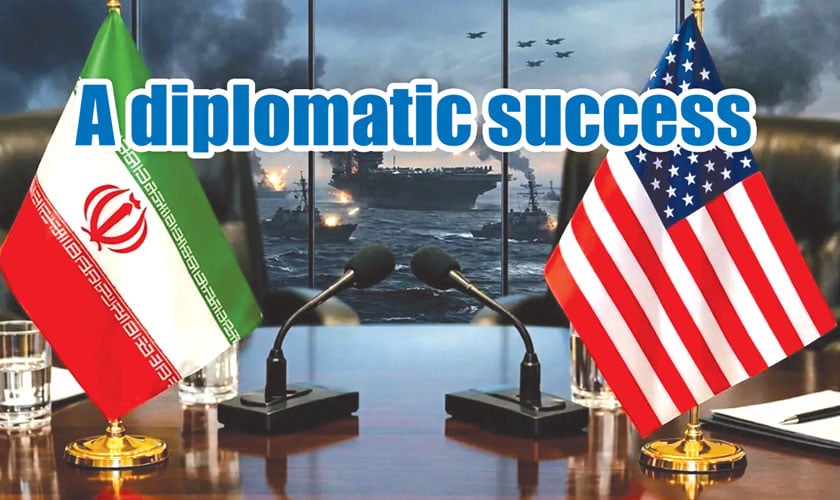
Rising tensions between Iran on one side and the United States and Israel on the other have been driven by long-standing disputes over security, regional influence and nuclear concerns. Israel has repeatedly expressed alarm over Iran’s nuclear ambitions and its influence in the Middle East, while the United States has supported efforts to contain these risks through sanctions and strategic pressure. These tensions escalated into a dangerous confrontation, raising fears of a wider conflict in an already volatile region. In such a critical moment, the need for dialogue became urgent. Pakistan emerged as a suitable venue for peace talks due to its balanced diplomatic ties with both Tehran and Washington, as well as its reputation for maintaining communication with opposing sides without escalating tensions. In doing so, Pakistan demonstrated a level of diplomatic effectiveness that many larger and more vocal players have struggled to achieve.
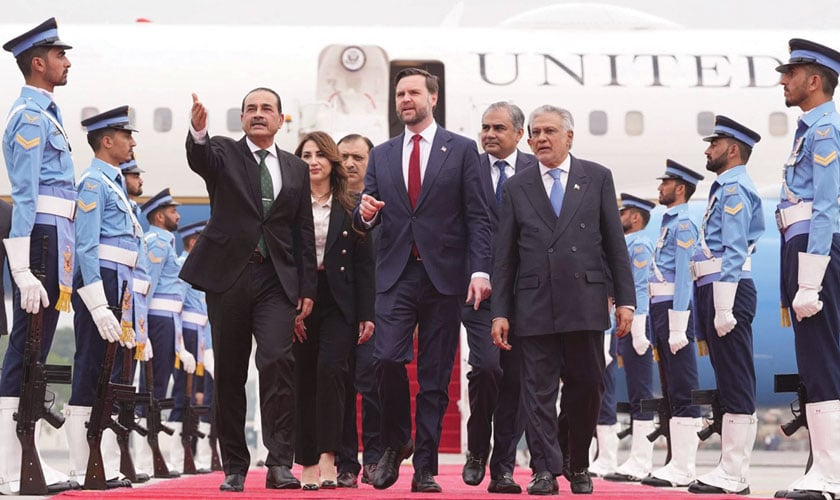
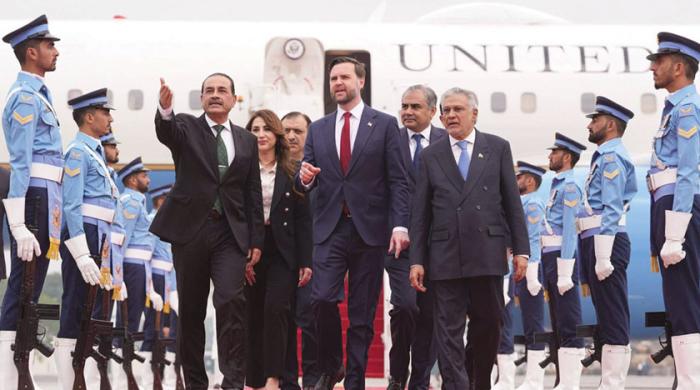
This diplomatic initiative also reflected the coordinated efforts of Prime Minister Shehbaz Sharif and Chief of Army Staff Field Marshal Asim Munir, whose leadership has played a key role in reinforcing Pakistan’s credibility on the global stage. Their emphasis on stability, dialogue and strategic engagement has contributed to Pakistan’s ability to act as a trusted intermediary in a highly sensitive situation.
International reactions to the peace talks further underlined their significance. Several global leaders and diplomatic observers emphasised the importance of dialogue between Iran and the United States, describing such engagement as a necessary step towards regional stability. The fact that these discussions took place in Islamabad drew considerable international attention, with analysts noting Pakistan’s ability to position itself as a credible intermediary. Major news organisations also shifted their focus to these developments, highlighting the diplomatic weight of the moment. This level of attention reflected not only the importance of the talks themselves, but also the growing relevance of the platform on which they were held.
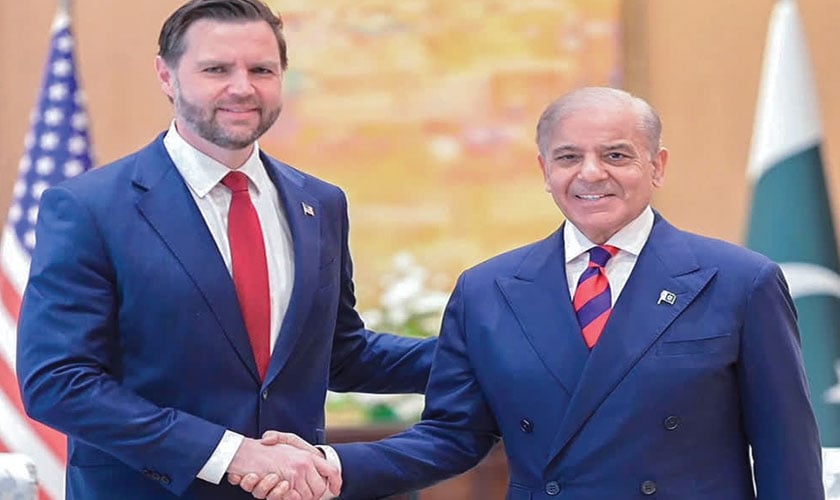
Pakistan’s ability to maintain working relationships with both Tehran and Washington simultaneously is particularly noteworthy. Achieving this balance is exceptionally difficult, even for powerful nations. Yet Pakistan has managed to do so with maturity, discretion and a focus on practical outcomes, reinforcing its role as a bridge between opposing sides.
Although the talks were not conclusive, Pakistan’s role in facilitating dialogue between the United States and Iran was a significant diplomatic achievement at a time when global tensions continue to rise. Such efforts demonstrate that meaningful engagement still has the power to shape outcomes and reduce conflict.