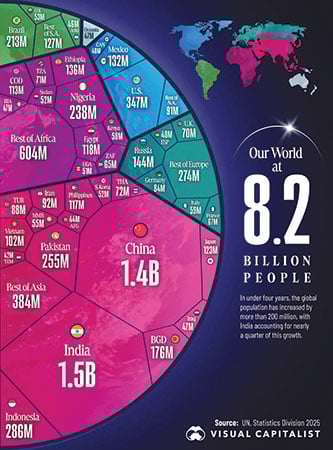
According to the UN, the global population is now over 8 billion people, spread across diverse regions, cultures and ways of life....
COVER STORY
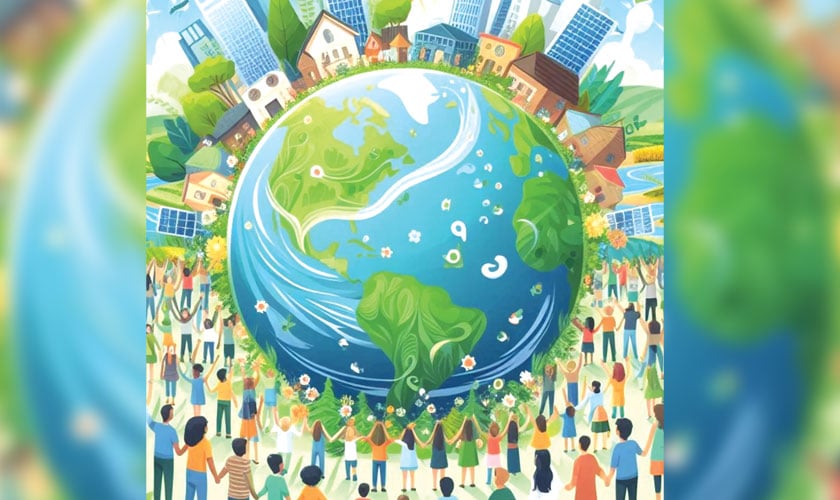
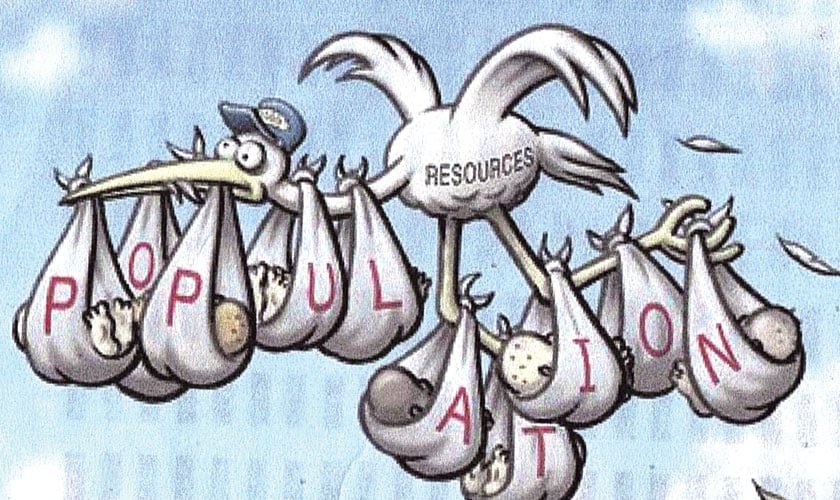
According to the UN, the global population is now over 8 billion people, spread across diverse regions, cultures and ways of life. While this number reflects human progress and survival over centuries, it also highlights a serious imbalance. Population growth is not evenly distributed, and in many parts of the world, it has created intense pressure on resources and opportunities. In such environments, competition becomes fierce, making it difficult for individuals to secure education, employment and a stable quality of life. Overpopulation has therefore become a pressing concern for policymakers, as it complicates decision-making and creates obstacles in ensuring fair and proportionate distribution of resources.
The age of our planet Earth is estimated to be around 4.5 billion years, a figure that puts human existence into perspective. According to research, approximately 108 billion humans have lived on Earth to date, with estimates tracing back to around 50,000 BC. While exact numbers remain uncertain due to limitations in archaeological evidence, these figures provide a meaningful understanding of human history. Long before modern civilisation, Earth was inhabited by a variety of species, including dinosaurs, mammoths and early humans. Over time, the human race evolved and adapted, gradually spreading across different regions of the globe.
A major turning point in population growth occurred during the Neolithic era, around 10,000 BC. This period marked a significant shift from a nomadic hunting lifestyle to settled agricultural communities. Regions such as the Fertile Crescent became centres of early civilisation, where humans began cultivating crops and domesticating animals. This transformation allowed for more stable food supplies, leading to the growth of settlements and an increase in population. As societies developed, social and economic systems began to take shape, further supporting population expansion.
However, life in these early periods was far from easy. High infant mortality rates were a harsh reality, with nearly half of all children not surviving due to poor sanitation, disease and limited medical knowledge. Harsh weather conditions and natural disasters also contributed to the struggle for survival. Life expectancy during this time remained low, typically ranging between 28 and 35 years. People lived under constant threat from famine, conflict and environmental challenges, which kept population growth in check despite gradual increases.
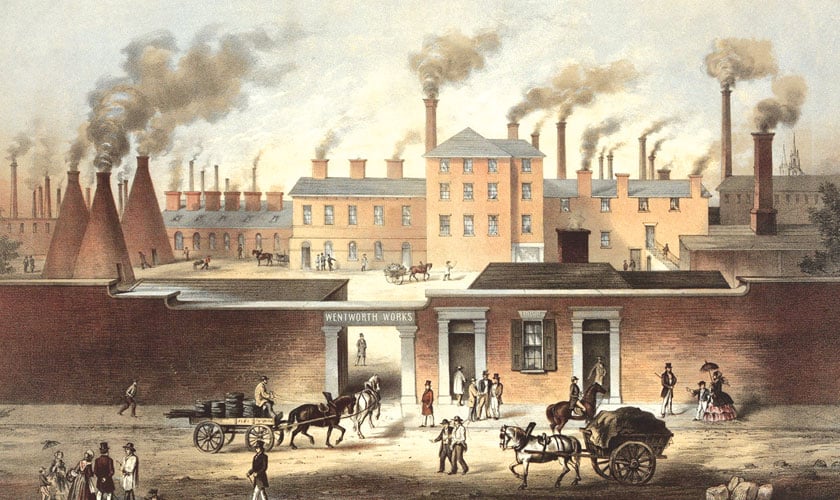
The Industrial Revolution ushered in a new era marked by remarkable technological progress and innovations that would have seemed unimaginable to early human societies. Breakthroughs in science and technology enabled people to combat and gradually eliminate many deadly diseases that had once been feared as unavoidable tragedies. As a result of these advancements, life expectancy began to rise steadily throughout the different phases of the much-celebrated Industrial Revolution. By 1804, the global population had reached the significant milestone of one billion people.
From the 19th century onwards, population growth accelerated dramatically, reaching unprecedented levels. Despite this rapid increase, there were no significant or effective measures taken by those in positions of power to address or control the growing issue of unsustainable population expansion. A closer examination of global population trends reveals a striking pattern: in the century following 1804, the world’s population doubled from one billion to two billion by 1927. This rapid growth reflects the profound social and economic transformations that took place in the post-industrial world.
This trend can be further understood by examining the case of the United Kingdom, which served as both a global economic powerhouse and the epicentre of the Industrial Revolution. The UK provides a clear example of how industrialisation influenced population growth. Around the year 1800, the population of the UK stood at approximately 9 million. By 1900, this figure had risen sharply to about 30 million. This represents an increase of roughly 233 percent, closely mirroring the global population growth rate during the same period.
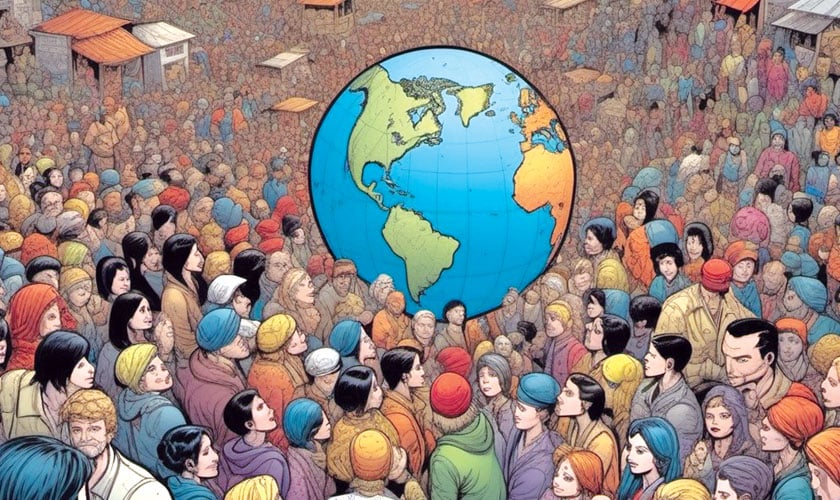
The continued rise in population figures surprised both experts and demographers, especially as the global population reached the 2 billion mark in 1927. This growth persisted despite major global crises that caused widespread loss of life. World War I alone resulted in approximately 22 million deaths due to active conflict. Similarly, the Spanish flu pandemic proved devastating, with estimated fatalities ranging between 25 and 50 million, although the exact number remains uncertain. World War II, regarded as one of the deadliest conflicts in modern history, led to an estimated 50 million deaths.
Despite the scale of these tragic events, their overall impact on long-term population growth remained limited. In fact, studies indicate that population growth in industrialised nations began to rise again soon after these crises. This period saw the emergence of what demographers termed the ‘baby boom’, referring to the sudden and significant increase in birth rates following the end of World War II. Beginning around 1946, birth rates rose sharply, with approximately 20 percent more children being born compared to pre-war levels.
In the United States alone, around 2.2 million couples got married in 1946 shortly after the war ended, setting a record that remained unmatched until the 1970s. This surge in marriages contributed directly to the increase in birth rates. The rise in population during this time was largely driven by a strong post-war economy, government incentives and well-developed social security systems that encouraged family growth.
Between 1954 and 1964, the United States experienced a particularly intense phase of this population increase, with around 4 million babies being born each year. However, this sharp rise in birth rates began to decline after 1964, bringing an end to the peak of the baby boom period.
While developed nations experienced rapid population growth during this time, developing countries also saw a significant rise in birth rates. However, this increase was often accompanied by higher mortality rates due to economic instability, poor healthcare and food shortages. A notable example is China during the period of the so-called ‘Great Leap Forward’, when widespread famine led to the deaths of millions of people. Estimates of the death toll vary widely, with experts suggesting figures ranging between 10 and 45 million fatalities.
At present, the global population has crossed the eight billion mark, reflecting a steady and continuous rise over recent decades. However, this growth is not evenly distributed across the world. In many developed countries, population growth has stabilised and, in some cases, even declined due to lower birth rates and changing lifestyles. In contrast, developing nations continue to experience rapid population increases, placing significant pressure on their resources and infrastructure. Countries such as India, Pakistan, Bangladesh, Nigeria, Brazil and Mexico rank among those with the highest population growth rates, highlighting the uneven nature of global demographic trends.
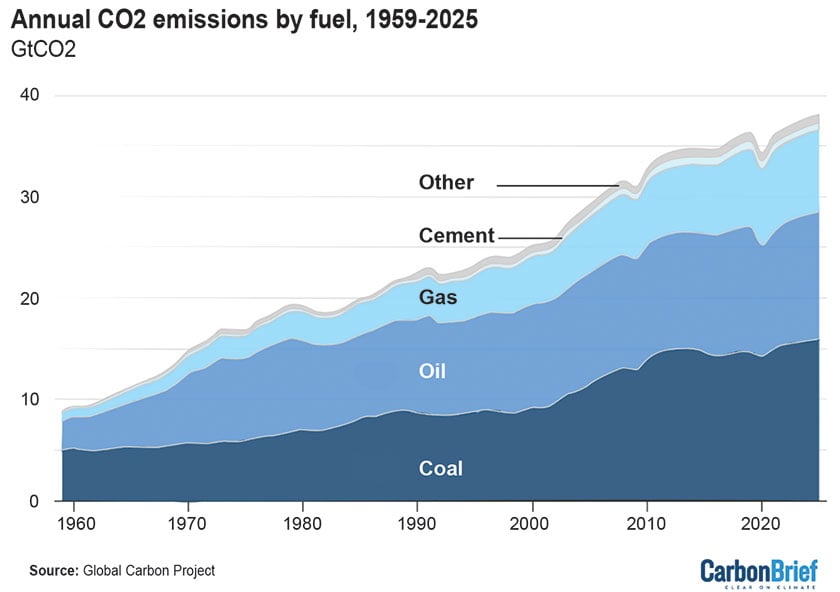
The rapid increase in population has also intensified environmental challenges, particularly in the form of pollution and global warming. One effective way to understand the impact of overpopulation on the environment is by examining carbon dioxide emissions. According to data published by ‘Our World in Data’, global carbon emissions stood at approximately 5.93 billion tonnes, compared to around 4.86 billion tonnes in earlier pre-war years. As population levels continued to rise, emissions increased significantly, reaching 9.75 billion tonnes by 1962, a period often associated with the peak of the baby boom.
In recent decades, carbon emissions have continued to rise at an alarming rate, now reaching approximately 37.15 billion tonnes. Further research by the World Economic Forum estimates that the total accumulation of greenhouse gases in the atmosphere since the 1700s has reached an astonishing 1.6 trillion tonnes. These figures clearly demonstrate the strong connection between population growth, industrial expansion and environmental degradation. As populations increase, so does the demand for energy, transportation and manufacturing, all of which contribute to higher emissions and environmental strain.
Urban centres provide a clear illustration of this relationship. Cities with large populations often struggle with severe air pollution due to industrial activity and the high number of vehicles on the roads. For instance, Lahore is considered one of the most polluted cities in the world, largely due to poor air quality caused by industrial emissions and the presence of approximately 6.3 million vehicles. It records an Air Quality Index of around 288, indicating hazardous conditions. In contrast, Singapore, with a much smaller number of vehicles - around 532,000 -maintains significantly better air quality, with an AQI of approximately 17.
This comparison highlights how population size and urban management directly affect environmental conditions. Lahore, with a population of around 11 million, faces far greater environmental pressure than Singapore, which has a population of approximately five million. The contrast clearly demonstrates how larger populations, when combined with inadequate planning, can lead to severe environmental consequences.
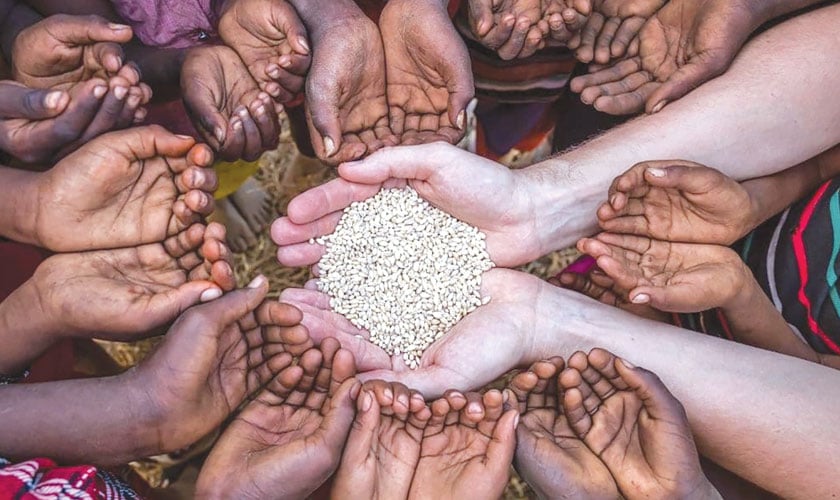
Another major issue linked to overpopulation is food insecurity. The world is already dealing with multiple challenges, including ongoing conflicts, climate change and economic instability, all of which disrupt food production and distribution. Rapid population growth further intensifies these problems, making it increasingly difficult to ensure that everyone has access to sufficient and nutritious food.
In many developing and conflict-affected regions, millions of people face hunger and malnutrition. For example, according to the World Food Programme (WFP), around 0.5 million Palestinians are at serious risk of food insecurity due to harsh living conditions and restricted access to resources in the Gaza Strip, where approximately 2.23 million people reside. Similarly, in Pakistan, about 37 percent of the population is at risk of food insecurity, despite the country’s strong agricultural foundation.
This situation is further worsened by rapid population growth, which places additional strain on already limited resources. Pakistan’s population growth rate stands at approximately 1.98 percent, and when combined with ineffective planning and uneven distribution of resources, it contributes to widespread malnutrition. Alarmingly, around 44 percent of children in Pakistan suffer from stunted growth, making it one of the highest rates in the region. As the fifth most populous country in the world, with a population of around 240 million, Pakistan faces significant challenges in ensuring food security and proper nutrition for its citizens.
To address the challenges associated with overpopulation, a range of practical measures can be implemented at both national and international levels. Governments, particularly in developing countries, should invest in public awareness campaigns and educational programmes that promote family planning and highlight the long-term consequences of unchecked population growth. Educating newly married couples about responsible parenthood can play a key role in managing population trends.
In addition, strict action must be taken against underage marriages, which often contribute to higher birth rates. Law enforcement agencies need to actively prevent such practices by implementing laws regarding underage marriages, and judicial systems should impose appropriate penalties to discourage violations. At the same time, governments must focus on long-term policy planning to ensure the fair and efficient allocation of resources, including food, healthcare and education.
Ultimately, tackling overpopulation requires cooperation between governments, communities and individuals. With thoughtful planning, responsible policies and increased awareness, it is possible to manage population growth in a way that supports both human well-being and environmental sustainability.