Teenagers today are facing challenges that go far beyond what past generations experienced....
TEEN TRIALS
Teenagers today are facing challenges that go far beyond what past generations experienced. With the rise of social media, increasing academic pressure and growing emotional struggles, this stage of life has become more complex than ever before.
According to UNICEF, more than one in seven adolescents aged 10 to 19 globally experience mental health conditions. In Pakistan, studies suggest that roughly 20 to 25 per cent of young people face emotional distress or symptoms linked to anxiety and depression, although exact figures vary across regions and research methods. These numbers are not merely statistics; they reflect a generation quietly struggling with self-doubt, academic pressure and the fear of failure.
Many teenagers suffer in silence, often lacking access to proper support systems or safe spaces to express their emotions. Social expectations, combined with the pressures of modern life, make it even harder for them to cope, highlighting the urgent need for awareness, empathy and accessible mental health resources.
Social media, once a tool for connection, has become a double-edged sword. Teenagers are caught in a cycle of constant comparison, FOMO or fear of missing out, and even cyberbullying. Scrolling through seemingly perfect pictures and idealised lives can make many teens feel as though they are never good enough.
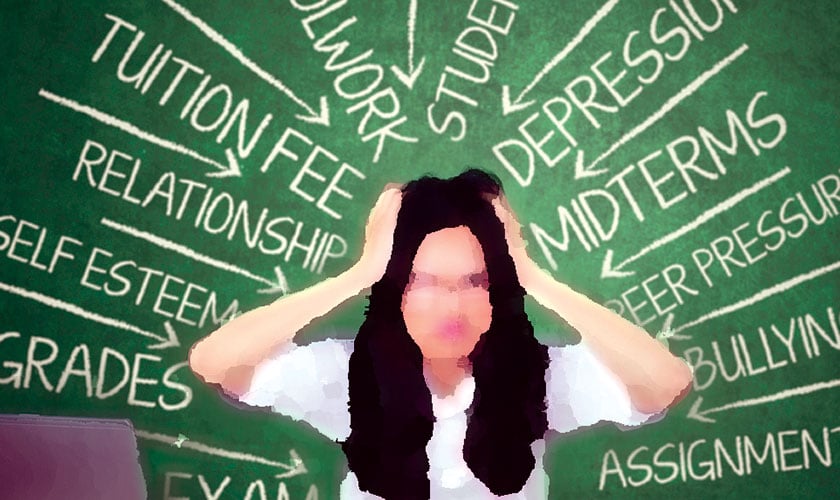
Alongside this, academic pressure is intense. Teenagers are expected to excel in every subject, take part in extracurricular activities and even plan their futures, all at once. Many stay up late, skip meals and carry the burden of unrealistic expectations. Unfortunately, many schools focus more on grades than on students’ mental wellbeing.
But school is not the only pressure point. Family dynamics also play a crucial role. Some teenagers grow up in homes where their emotions are dismissed or not taken seriously. When they try to express their struggles, they are often told to ‘be strong’ or ‘stop overthinking’. This response does not help; it pushes them further into silence.
Another hidden struggle is sleep deprivation. Most teenagers are getting far less than the recommended eight to ten hours of sleep per night. Blue light from screens, late-night studying and stress keep their minds active long after bedtime. This leads to exhaustion, mood swings and poor concentration. When rest becomes a luxury, emotional health naturally declines.
On top of all this, teenagers are navigating identity issues, peer pressure and societal expectations. Whether it is about fitting in, body image, gender roles or facing discrimination, they are constantly trying to figure out where they belong. Without proper support, some may turn to harmful coping methods such as isolation or substance use simply to escape their reality.
The consequences are serious. According to the World Health Organization, suicide is the fourth leading cause of death among 15 to 19-year-olds. This alarming fact shows why we must talk about mental health not just during a crisis, but regularly. Every teenager deserves to be seen, heard and understood before it is too late.

Experts warn that if these issues remain unaddressed, they can lead to low academic performance, addiction or even suicidal thoughts. Dr Aisha Malik, a child psychologist, explains, “Teenagers need safe spaces where they can express themselves without fear of judgement. Listening is more important than advising.”
But there is hope. Many teenagers are finding support in therapy, journalling, peer groups or simply having one trusted person who listens. The solutions are there, but they require real effort from parents, teachers and society as a whole.
Here is what we need to do:
• Encourage open conversations about feelings
• Introduce mental health education in schools
• Help teenagers limit exposure to toxic content on social media
• Remind them that it is okay to feel overwhelmed and that help is always available
It is easy to label teenagers as ‘too sensitive’ or ‘too dramatic’. However, doing so only deepens their pain. What they truly need is someone who will listen without judgement, guide without control and believe in them even when they are struggling to believe in themselves.
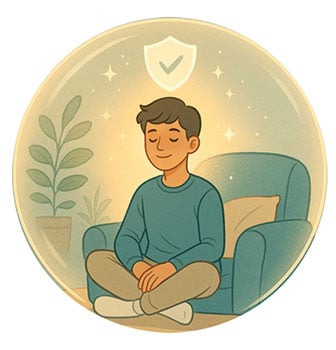
So if you know a teenager, reach out. Ask how they really are doing. Be the safe space they need. Because sometimes, being heard is the first step towards healing.