Once a practice largely reserved for high-end dining or the occasional valet, tipping has evolved into a vital pillar of the modern service economy.
GIG ECONOMY
Once a practice largely reserved for high-end dining or the occasional valet, tipping has evolved into a vital pillar of the modern service economy.
As digital convenience becomes the baseline of urban life, the ‘tip’ has transformed from a simple gesture of politeness into an important tool for recognising and appropriately rewarding the effort of individuals working hard in the gig economy.
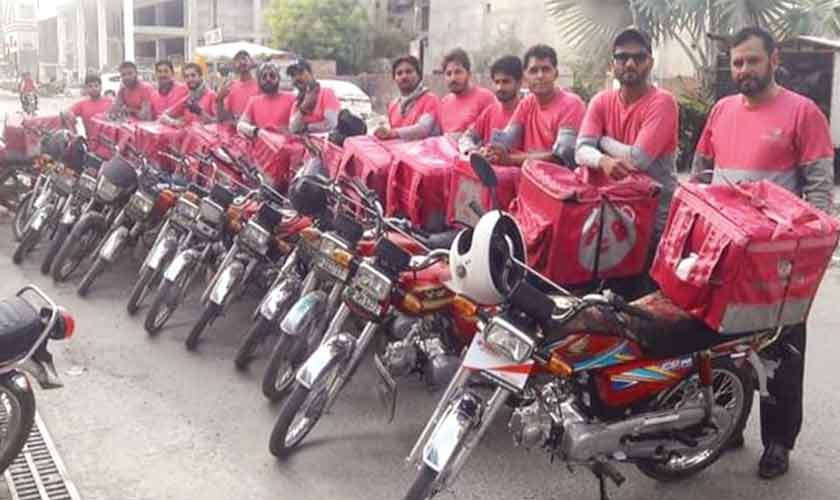
The rise of the delivery culture has fundamentally transformed the food and grocery markets. Various platforms, such as foodpanda, have bridged the gap between convenience and necessity, yet the sheer speed of these transactions can sometimes desensitise us to the sheer human effort involved. Behind every ‘delivered’ notification is a rider facing Karachi’s humidity, Lahore’s fog or Islamabad’s harsh cold (or the other extremes in the summer).
For these workers, a tip is more than just a bonus. It's an acknowledgement of the physical toll and the effort that goes towards meeting and/or exceeding expectations. The supplementary earnings these riders earn from tips and/or other gestures of empathy are a strong motivator and go a long way toward their sustenance.
Digital integration makes it significantly easier to show empathy and support workers, most notably through foodpanda, which is the only digital platform in Pakistan that offers customers an in-app tipping feature for delivery riders. The app offers a post-order tipping option, enabling customers to tip riders for the previous orders as well. The company ensures that 100 per cent of the digital tip amount is passed directly to the rider. Within the app, customers can also choose to give extra during significant occasions like Ramazan and Eid, combining modern convenience and cultural generosity.
The psychological impact of a tip on a gig worker is quite profound, similar to other sectors that require hard labour. Recognition and reward always go a long way, particularly for a role that can sometimes feel lonely and mechanical, like that of a delivery rider. A bare minimum gesture of appreciation restores human connection, reminding the worker that they are a valued member of the community and that they make a meaningful societal contribution.
In this climate, these ‘small acts of kindness’ can become a powerful tool not only for recognition but also for supporting social stability
The necessity of tipping becomes even more stark when looking at the informal layers of the food industry. While major online platforms provide a structured earning model, many smaller, independent restaurants still operate on archaic systems. In several local establishments, delivery riders are not paid a fixed salary or a per-delivery fee by the restaurant owners. Instead, they are given ‘permission’ to deliver, with the explicit understanding that their only income will be tips from customers.
In these cases, sadly, the customer is no longer just rewarding good service but providing the worker's entire wage. This ‘shadow economy’ therefore places a heavy moral responsibility on the consumer. When a rider arrives with a hot meal from a local dhaba, the customers’ empathy/generosity solely determine the value attributed to the rider.
As we look to the future, the economic pressures on the working class show no signs of immediate relief. In this climate, these ‘small acts of kindness’ can become a powerful tool not only for recognition but also for supporting social stability. By committing to support those who are less well off than ourselves, we can initiate a chain of support and directly influence someone else’s financial well-being without intermediaries.
Whether it is rounding up the bill on an app or handing over cash at the door, these contributions act as a countermeasure to the rising cost of living and help improve livelihoods. They ensure that the people who make our lives easier, by bringing us food in the rain or groceries in the heat, can afford to make their own lives a little easier, too.
Ultimately, the evolving tipping culture in Pakistan is a reflection of our collective empathy. In a fast-paced digital world, taking a moment to recognise people by offering a tip is a way to slow down and say ‘thank you’. It is a reminder that while the apps provide the platform, it is the people who provide the service, and their dignity and effort are worth every penny.
The writer is the head of logistics at foodpanda.