Pakistan’s electricity distribution system has long been beset by inefficiency. Years of losses, circular debt, ageing infrastructure and operational leakages have undermined both service and public trust. Transmission and distribution losses remain high. Billing errors and delayed recoveries strain both consumers and the national exchequer.
POWER SECTOR
Pakistan’s electricity distribution system has long been beset by inefficiency. Years of losses, circular debt, ageing infrastructure and operational leakages have undermined both service and public trust. Transmission and distribution losses remain high. Billing errors and delayed recoveries strain both consumers and the national exchequer.
These are systemic issues. They cannot be solved with ad hoc interventions. Recognising this, the Power Division has begun a broad reform programme. Its goals are clear: improve governance, increase transparency and stabilise the sector. Digitisation has emerged as a key enabler rather than a peripheral upgrade.
Globally, utilities have embraced digital technologies to boost efficiency and resilience. Smart meters, automated outage management, advanced distribution systems and data analytics allow firms to reduce losses, improve reliability and manage resources more effectively. Digital platforms also promote accountability by limiting human discretion and standardising processes. In mature systems, they support the integration of renewable energy, electric vehicles and storage, while improving consumer experience through accurate billing and timely information.
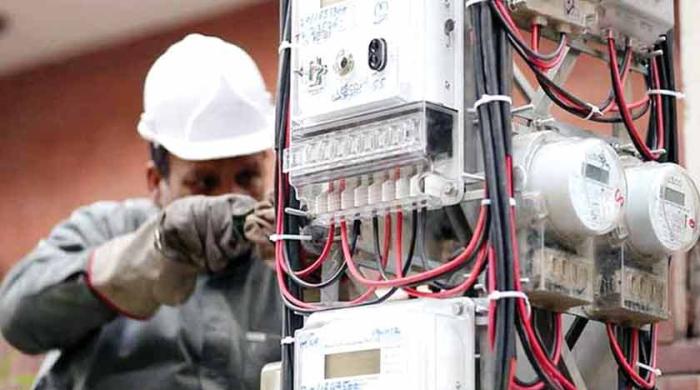
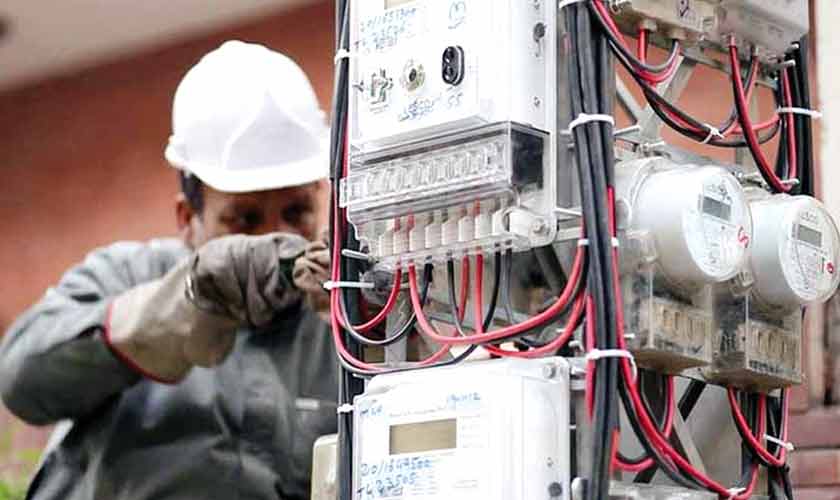
Pakistan is following this playbook. The government has facilitated the installation of roughly two million smart meters across distribution companies. Officials describe the meters as the foundation of a sector-wide digital transformation. Procurement reforms have cut meter costs by nearly 40 per cent. The Power Information Technology Company (PITC), the sector’s IT arm, is developing back-end systems to integrate data across utilities.
By combining smart infrastructure, consumer engagement and centralised data, Pakistan aims to create a more transparent, efficient and accountable electricity system
Consumer-facing applications complement infrastructure improvements. ‘Apna Meter, Apni Reading’ lets lifeline and protected consumers submit meter readings directly. The app uses machine learning to verify accuracy and has been downloaded nearly two million times. The ‘Power Smart Mobile App’ offers billing information, energy monitoring, complaint registration, and service requests. It connects to eOPS, a paperless operations system that streamlines field work and complaint resolution. DISCO staff receive training to use these tools efficiently.
Customer service has also been revamped. The 118 system, which registers and monitors complaints, has been upgraded with technological and personnel support. Call handling has improved, workflows have been streamlined, and performance metrics are now monitored. Call drop rates remain below five per cent, improving accessibility and accountability. Future plans include an integrated Energy and Power Information System. This centralised digital repository will consolidate data from generation, transmission, and distribution. It is expected to support advanced analytics, performance monitoring and evidence-based policymaking. Officials hope it will improve demand forecasting, optimise investment, and enhance sector performance.
Challenges remain. Infrastructure upgrades are costly. Staff must adapt to new tools. Financial constraints persist. Analysts caution that digitisation alone cannot overcome entrenched inefficiencies.
Yet the reforms represent a deliberate, long-term effort. By combining smart infrastructure, consumer engagement and centralised data, Pakistan aims to create a more transparent, efficient and accountable electricity system. If successful, these measures could lay the groundwork for a resilient power sector that supports economic growth and the country’s energy transition.
The writer is a reporter at The News.