After six emotionally charged episodes filled with tears, triumphs and transformation, Pakistan Idol 2025 has reached a crucial moment.

‘Sweet Dreams Are Made Of This / Who Am I to Disagree’
From the first audition to the Theatre Round finale, Pakistan Idol has reminded audiences that Pakistan’s musical heart still beats as strongly as ever, giving them hope in a cynical time. Episode 12, which revealed the Top 16, tied together weeks of discovery, heartbreak and revelations in a single night that captured the true spirit of performance.
The journey to that night was deliberate, each episode adding a layer as the competition moved from early auditions into the intensity of the Theatre Round. Episodes 7 to 11 deepened the narrative, turning anonymous dreamers into familiar faces. Small-town singers arrived with trembling hands, while classically trained vocalists treated the Idol stage as their first professional platform. Each performance added a new shade to Pakistan’s musical identity.

Pakistan Idol 2025: The Journey So Far: From Auditions to the Top Sixteen
There was Ravish, whose romantic ballads unfolded like intimate confessions. Sohail rediscovered his devotional
spirit through ‘Tajdar-e-Haram’. Hamna’s rendition of ‘Aaj Jaane Ki Zid Na Karo’ left the judges visibly moved. Some, like Mohammad Minam and Ahsan, wrestled openly with nerves, showing raw vulnerability that reminded viewers that artistry is born from both courage and discipline.
By the opening of Episode 12, thirty-seven contestants waited to hear which sixteen voices would carry forward.
The night was more than an elimination; it was catharsis.
Pakistan Idol once again became a mirror, reflecting not only talent but the country’s ongoing dialogue with its own sound, where tradition, techno-logy and ambition converge. Host Shafaq Ali opened the episode with a quiet reminder that Pakistan Idol is a platform, not a finish line.

Pakistan Idol 2025: The Journey So Far: From Auditions to the Top Sixteen
The Bugti Brothers brought the house alive with a Balochi folk number that was both vibrant and steeped in cultural pride. The judges nodded in sync with the pulse of their performance.
Arsalan Bukhari, whose pop-fusion take on Abida Parveen’s ‘Jabse Tu Ne Mujhe Deewana’ divided opinion. Rahat Fateh Ali Khan admired the effort but urged more vocal power, Bilal Maqsood saw an experimental spark worth nurturing and Zeb Bangash described it as “fragile but strong,” a phrase that could define much of the season. Arsalan’s risk reminded viewers that Pakistan Idol (from the original Idol franchise) rewards bravery as much as accuracy in hitting the right singing notes.
‘Everybody’s Looking For Something’
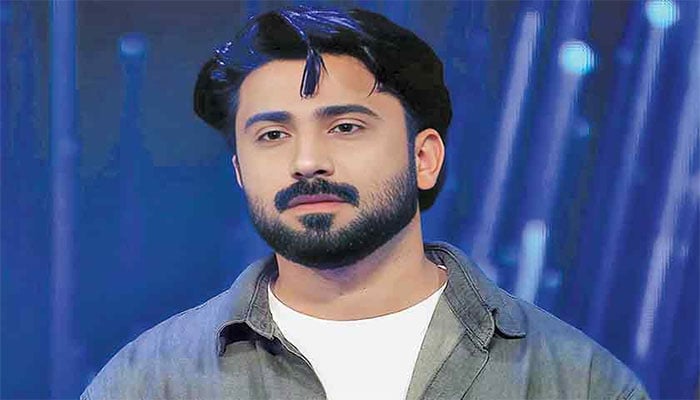
The night’s most poignant moment belonged to Maham Tahir. Just two days after losing her grandmother, she chose to perform a Noor Jehan classic rather than step back. Her voice quivered, not from fear but from grief. The silence that followed her performance was more telling than any critique. Fawad called her resilience “the essence of artistry,” and the moment lingered, quietly monumental.
Pakistan Idol 2025: The Journey So Far: From Auditions to the Top Sixteen
Even Rosemary, often a spark of sunshine, struggled against nerves. Her performance may not have soared as expected, but her poise under pressure earned admiration. “Confidence comes from the first note,” Rahat reminded her, offering advice that will remain with her and with countless viewers dreaming of the same stage.
“This is not a songwriting competition; it is a test of voice. Singing a song first performed by Mehdi Hassan or Noor Jehan was not simply homage, but a measure against history, a standard of technical mastery. This focus distinguishes Pakistan Idol in an era of pre-recorded perfection. Here, there is no auto-tune, no post-production safety net. There is only a microphone, a melody and the courage to inhabit it fully. Each episode becomes both concert and classroom, a live lesson in what it means to sing.”
After the final note faded, the judges withdrew for deliberation. They spent a tense two and a half hours, which Fawad Khan later described as excruciating. Fawad called it “razor-thin decision-making,” while Zeb admitted she “was not mentally prepared for how hard this would be”. When the panel returned, sixteen names were announced, repres-enting a remarkable cross-section of Pakistan’s soundscape.
Across Episodes 7 to 12, the songbook leaned heavily on classics including ‘Tajdar-e-Haram’, ‘Aaj Jaane Ki Zid Na Karo’, ‘Zindagi Ke Safar Mein’, ‘Dil Diyan Gallan’, ‘Tera Ban Jaunga’ and many more. Few contemporary tracks appeared, a deliberate choice shaped by copyright constraints and the show’s definition of “Idol.” This is not a songwriting competition; it is a test of voice. Singing a song first performed by Mehdi Hassan or Noor Jehan was not simply homage, but a measure against history, a standard of technical mastery.
This focus distinguishes Pakistan Idol in an era of pre-recorded perfection. Here, there is no auto-tune, no post-production safety net. There is only a microphone, a melody and the courage to inhabit it fully. Each episode becomes both concert and classroom, a live lesson in what it means to sing.
‘There Were Voices Down The Corridor/
I Thought I Heard Them Say’
Much has been written and misjudged about the judging panel. Anyone assuming this quartet lacks credentials needs to take a closer look at their résumés.
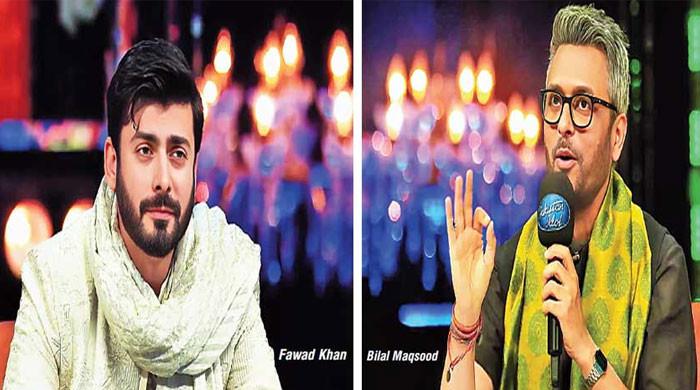
Rahat Fateh Ali Khan belongs to a storied qawwali gharana and began his musical journey under the late, legendary Ustad Nusrat Fateh Ali Khan, his uncle. Classically trained and internationally celebrated, Rahat bridges devotional, classical and commercial music with rare ease, having performed across continents and sung for dozens of Hindi films and qawwali mehfils.
Bilal Maqsood, co-founder of the now defunct pop group Strings, brings more than
three decades of composition, songwriting and production experience. From pop anthems to Coke Studio’s textured arran-gements, and from Velo Sound Station to Pakkay Dost, there is virtually no domain of modern Pakistani music he has not touched.
Zeb Bangash represents the bridge between tradition and experimentation. A student of Ustad Naseeruddin Saami, she has moved fluidly from play back singing and television soundtracks to multilingual world-music collaborations. Her understanding of tone and phrasing reflects deep classical grounding, not mere pop instinct.
Fawad Khan, though often identified with acting, began as a musician. His work with Entity Paradigm remains a benchmark in Pakistan’s pop-rock evolution. His sensitivity to pitch, phrasing and performance psychology makes his feedback sharp
and empathetic, particularly for contestants navigating stage fright.
Together, these four embody Pakistan’s major musical lineages: classical, pop, rock and contemporary fusion. Their combined expertise ensures that criticism on Pakistan Idol is informed, not performative.
To question the need for such a panel is reductive. Shows of this scale demand both credibility and star power. Without recognisable names,
a programme struggles for reach; without trained ears, it loses legitimacy. Pakistan Idol balances both.
‘And Still Those Voices Are Callin’/ From Far Away’
In a fragmented industry where live shows are shrinking and revenue models are uncertain, Pakistan Idol feels essential. For many young artists, it is one of the few spaces where visibility meets mentorship. TikTok or Insta-gram may create overnight sensations, but they rarely
offer continuity. Pakistan Idol provides a bridge from obscurity to opportunity. Its auditions and theatre rounds have already shown that raw talent is abundant, yet pathways remain painfully narrow. For the show to fulfil its promise, winners must gain real-world experiences through playback work, drama soundtracks, adv-ertising or the formation of new bands. The tragedy would be if these voices faded once the cameras stop rolling.
As Episode 12 drew to a close, the judges’ reflections distilled everything Pakistan Idol 2025 has sought to achieve. “We’re not just judging voices; we are witnessing stories,”
said Fawad Khan, reflective rather than triumphant. Zeb added, “Every contestant made us feel something and that is what great music does.” Bilal concluded simply, “These six-teen voices represent the diversity of Pakistan’s sound.”
The Theatre Round finale was the show’s beating heart, a night where where courage outweighed perfection and sixteen artists stepped forward carrying the promise of a
new generation. Across twelve episodes, Pakistan Idol has grown from a televised contest into a cultural mirror, reflecting a nation’s layered identity through music. More than weekend entertainment, it is
a reclamation of song and sincerity, a reminder that per-formance can move people beyond screens and fleeting trends.
With the Top 16 revealed, the upcoming Gala Round holds the potential for defining moments that could reshape the future of Pakistani music. For now, the message is clear: Pakistan’s talent is vast, yet its platforms remain few. Pakistan Idol offers one, and it must endure, evolve and return year after year because these voices deserve it. The music has only just found its voice, and Pakistan is listening with open ears and hearts.