Print Story
X




Challenges of maintaining parent-child relationship in the digital world of screens

| P |
arents are considered a child’s ‘significant other’ and their primary agents of socialisation. They are expected to provide emotional care, nutrition, protection, discipline and the transmission of values that shape a child’s understanding of society and relationships. In many societies, this ‘significant other’ nurturing net includes grandparents, aunts, uncles, siblings, neighbours and community elders. It is for this reason that sociologists have long argued that human beings survive and flourish through cooperative systems of caregiving.
At the same time, research consistently demonstrates that stable parental attachment remains central to healthy child development. Studies on children raised in orphanages; by extended relatives; or in emotionally deprived environments show higher risks of anxiety, insecurity, delayed language development, behavioural disorders and difficulty forming long-term relationships. Thus, though caregiving may be shared collectively, there is no substitute for parental presence in the lives of children.
Family types have not remained static and have adapted to economic, social and technological changes. The traditional joint family system offered emotional security, intergenerational learning, supervision and collective support. Grandparents often transmitted cultural traditions and moral values while cousins and relatives created strong social bonds and a sense of belonging. At the same time, joint family systems have been critiqued for reproducing rigid hierarchies; excessive interference in personal choices; and limited privacy for parents and children alike.
The industrial-era nuclear family, which expanded with urban migration, offered greater independence, mobility and decision-making autonomy. Parents had more control over educational aspirations and child-rearing practices. Stronger conjugal bonds in nuclear families is also a stabilising force for children. But like joint family systems, the nuclear model also has its limitations in terms of reducing the availability of emotional and practical support, increasing stress on parents as the only adults in the household and creating social isolation for children with working parents.
Today, the modern family exists in an even more complex environment shaped by technology, consumer culture and global media. Children benefit from greater educational access, digital literacy and opportunities for self-expression. However, they also face rising rates of loneliness, cyberbullying, anxiety, consumer pressure and fragmented identities shaped by constant digital comparison. In many ways, the ‘village’ that now helps to raise children is no longer limited to the local community—it includes invisible global networks operating through social media apps and algorithms.
In many households, children now spend more time interacting with screens than with parents or extended family members. Through social media, children encounter lifestyles, political opinions, moral values and cultural expectations from across the globe long before they develop the ability to critically evaluate them. Economic pressures often require both parents to work outside the home while children enter daycare centres and formal schooling at increasingly younger ages. In Pakistan, even women who do not work outside the home, may spend less time with their children due to the cultural acceptance of maids and custodial staff performing maternal roles. This has resulted in children suffering from emotional distance, weakened intergenerational ties and excessive dependence on digital validation.
These developments raise important questions: in contemporary times, is parenting only about providing food, shelter, education and emotional stability? How can parents guide children through competing moral systems and cultures, monitoring digital exposure and trying to maintain meaningful communication within the home?
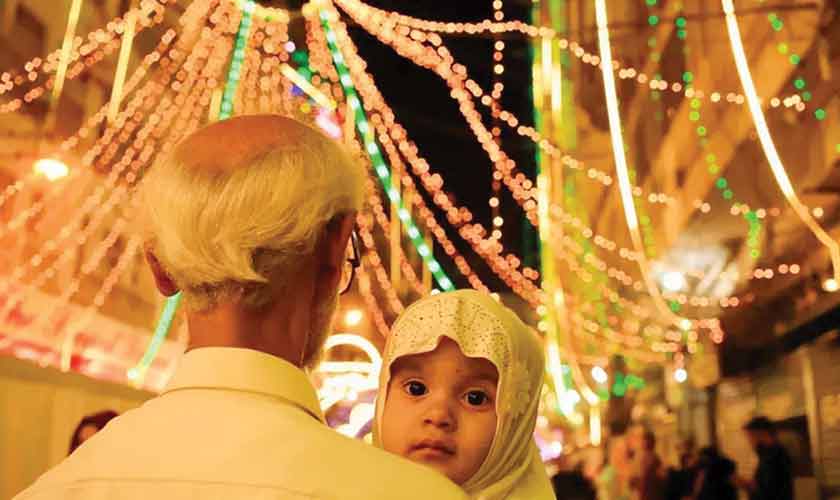
The modern family exists in a complex environment shaped by technology, consumer culture and global media.
Another important question is if parents themselves have the time and emotional energy for this under the pressures of long working hours and economic insecurity? Equally important: are children still willing to receive guidance from parents when peer culture and digital media often carry greater influence and academic pressure demands so much of their time?
We turn to another predicament of contemporary times.
In Pakistan and many other developing societies, the state does not do enough to protect children or strengthen systems of care. Nordic countries are often presented as ideal models because of their advanced welfare systems and child protection mechanisms. However, sociologists in those societies have increasingly begun critiquing aspects of the Nordic welfare model. The concern is that extensive institutional childcare and highly individualised social structures have reduced the emotional centrality of parents in children’s lives. When children spend most of their waking hours within formal institutions, peer-centered environments and digital spaces, parents gradually shift from primary caregivers to coordinators of routines.
This does not mean that societies should reject welfare systems or institutional support for children. Rather, it is a reminder that professional care, digital access and educational opportunities cannot fully replace emotional attachment within families or the role of parents. Children require not only protection and opportunity from the state but also stable emotional bonds, moral guidance and a sense of belonging rooted in meaningful relationships with parents, grandparents, siblings and community members.
Social policy interventions in Pakistan and similar regions must move beyond economic protection alone and invest in strengthening family relationships. This is critical if we are to preserve parent-child emotional bonds and the intergenerational transmission of ethics and values.

Some interventions that merit consideration include: (i) flexible and family-sensitive work policies for parents, including parental leave arrangements; reduced working-hour options; remote work opportunities where feasible; and workplace recognition of caregiving responsibilities so that parents are able to spend meaningful time with children; (ii) community childcare and family support centres in which elders, grandparents and extended kin networks participate in caregiving alongside trained attendants, thereby reviving intergenerational support structures that historically played an important role in South Asian societies; (iii) the development of safe and accessible public spaces designed for intergenerational interaction, learning, recreation and community engagement, including libraries, parks, cultural centres and community clubs or empty school spaces in the evening; (iv) support and family education programmes that equip parents with skills for emotional communication and child engagement; (v) stronger regulation of harmful digital content alongside the promotion of educational and media content that emphasises the significance of parent-child relations; and (vi) school-based and community counselling services for both parents and children, supported by trained social workers capable of identifying family breakdown or compromised caregiving relationships before these intensify into long-term social harms.
There may be particular interventions relevant within Muslim-majority and socially conservative contexts. Religious institutions, mosques, madrassas and faith-based welfare organisations could play a constructive role in promoting parent-child relations through sermons, educational workshops and community outreach programmes. Marriage preparation and family counselling services grounded in culturally sensitive and religiously informed frameworks may also help strengthen parental roles.
Policies that encourage multigenerational living arrangements where feasible and safe, may further support the transmission of values across generations, for example improved housing loans and tax exemptions for beanpole families. Likewise, interventions should be designed to recognise the unequal gender burdens in countries like ours and support greater paternal participation in childcare and domestic emotional labour.

The goal should not be to replicate Western models blindly and to invest solely in isolating children within institutions or digital environments but to create systems in Pakistan where modernisation and child protection can coexist with emotionally strong parent-child and family bonds.
The writer has post-doctoral experience in social policy at University of Oxford and a PhD in sociology from the University of the Punjab. She is an associate professor at the Department of Sociology, Forman Christian College. She can be reached at [email protected]. Her X handle: @JafreeRizvi.