

Press freedoms in a digital world
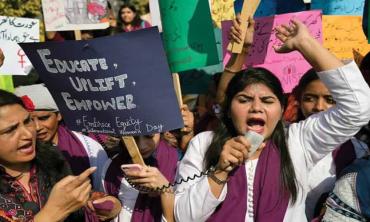
In the absence of free expression, conscience is in danger of being silenced

Do our conversations address governance, rights and climate issues related to AI?

The year witnessed greater digitalisation but also increased control over digital spaces

The gendered impact of artificial intelligence on the media, particularly on women journalists, is often overlooked
Pakistan needs to radically reframe structures and approaches in addressing the technology challenges it faces

Critical questions persist about access to essential information and the arbitrariness with which it can be taken away

Most regulatory proposals focus on content regulation rather than engage with the intricacies of governing artificial intelligence

Social media bans have done little to ensure meaningful accountability for the platforms

Looking at feminism and feminist movement in 2025

The amendment as a whole is ill thought

Understanding the human cost of internet shutdowns
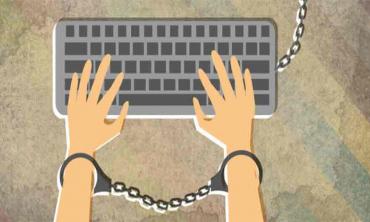
The recent weaponisation of legal apparatus reflects the state’s determination to clamp down on digital content it considers critical
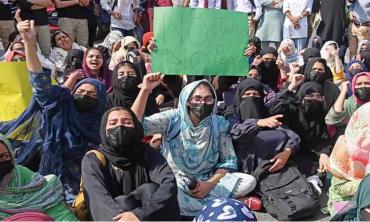
Criminal sanctions against misinformation not only leads to overregulation and censorship, but are also ineffective
The chilling implications of increased online surveillance on our lives, freedoms and expression

AI regulation will be incomplete without a human rights approach

The nebulous nature of digital platforms has ensured that digital dissent is agile and ever-changing

Governments have used misinformation and harmful content on the internet as an excuse to regulate online spaces
It is essential that internet users see internet censorship and shutdowns as egregious violations and resist them
Recent events have highlighted the importance of unimpeded access to information



