

Without structural reforms, Pakistan will continue to oscillate between petrol price shocks and momentary relief

When taxation collects revenue to fund the luxuries of the privileged, the state loses its credibility
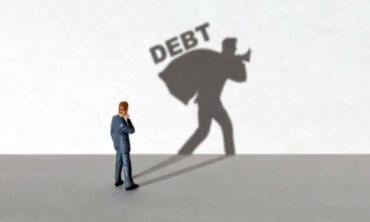
Once growth strengthens and borrowing declines, debt servicing gradually ceases to dominate the budget

Pakistan’s path to sustained growth lies in expanding its exports, not the other way round

The prevalent tax is unduly harsh on the poor and middle-class people

The case for rapid industrial expansion through corporatisation

All stakeholders must focus on handling grave economic issues rather than diluting their energies in fighting political battles

Our sovereignty will remain compromised until we implement effective fiscal reforms

Without improving our judicial system, we cannot gain the status of a respected state
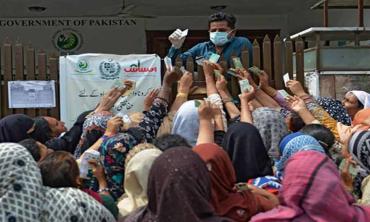
The only way forward to streamline the affairs of Pakistan rests with upholding the Lahore Resolution of 1940
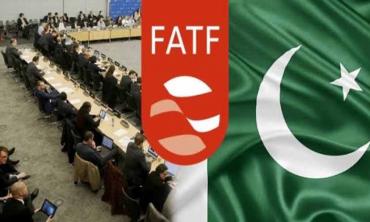
Pakistan needs to revisit its AML-CFT framework and form an independent regulator
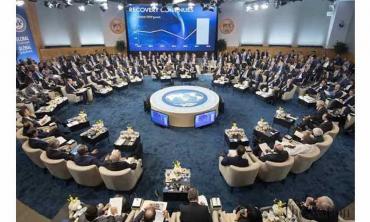
The government must introduce economic reforms and focus on privatisation and exploration of new avenues for taxation
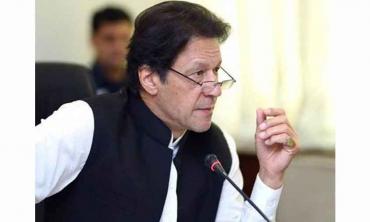
Pakistan’s latest transparency ranking may prompt the FATF to revisit its compliance level
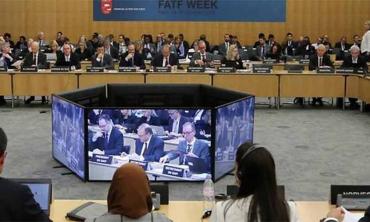
Compared to several other FATF member states, Pakistan, the UAE, and Turkey have established better controls
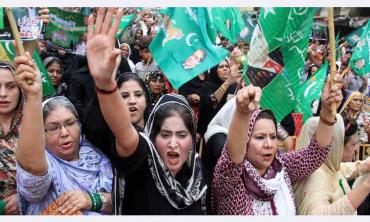
This year, the government must act fast to establish macroeconomic stability and improve regulatory frameworks and business environment
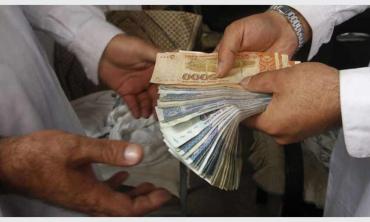
Pakistan needs to focus on compliance of each and every sector so that it can bid farewell to the embarrassment it has faced since June 2018

Appointment and accountability of judges should be through the parliament
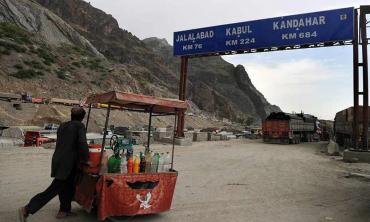
The way forward for Pakistan is to reconsider its foreign policy — a hybrid system is not beneficial for Pakistan

The doctrine of stare decisis has constitutional and statutory command and thus needs to be implemented in letter and spirit
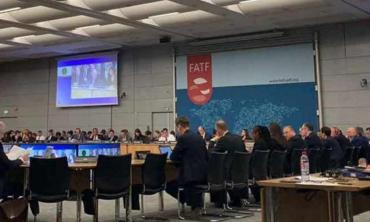
The next plenary of the FATF is approaching and Pakistan is working with the AGP and the FATF to address the new action plan



