

The persistence of over Rs 5.4 trillion in pending tax litigation, as per FBR’s claim, is not a temporary aberration
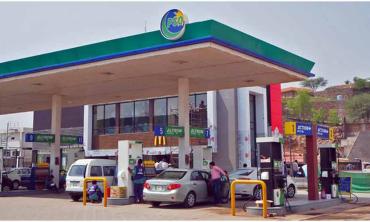
Without structural reforms, Pakistan will continue to oscillate between petrol price shocks and momentary relief

When taxation collects revenue to fund the luxuries of the privileged, the state loses its credibility
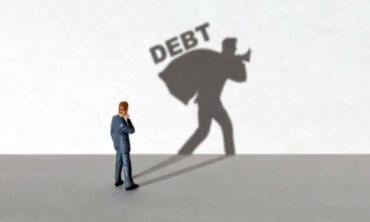
Once growth strengthens and borrowing declines, debt servicing gradually ceases to dominate the budget
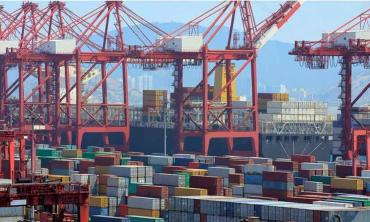
Pakistan’s path to sustained growth lies in expanding its exports, not the other way round

The digital economy will be shaped not by unregulated tokens but by regulated digital financial infrastructure

Resistance in the age of noise

The court order may have secured short-term revenue gains for the FBR and an IMF endorsement by overlooking constitutional provisions
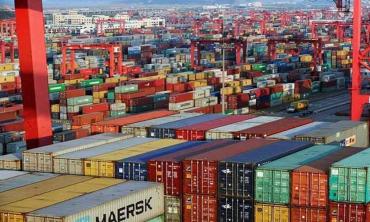
Digital trade requires stronger broadband, skills development and supportive regulation

Pakistan has a narrow window of opportunity in 2026. The IMF-supported stability has restored credibility
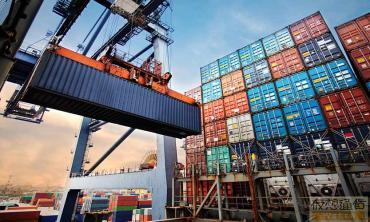
In economic terms, Pakistan has moved to a more resilient position at the end of the year than it had at the beginning
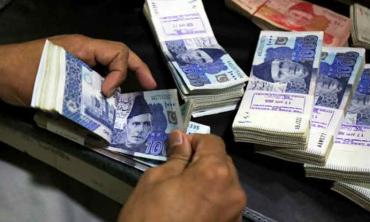
TheFund’s approval of the EFF and RSF reviews highlights Pakistan’s strong reform implementation

Pakistan’s economic future depends on the credibility of its reforms

Injustice inherent in Pakistan’s taxation framework limits revenue mobilisation and erodes public trust in the system

Pakistan should develop an integrated institutional structure for crypto oversight
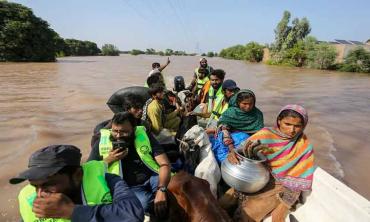
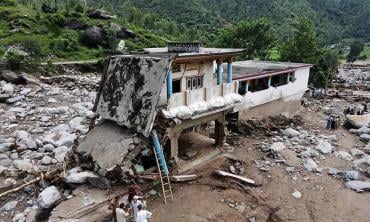
Floods are not mere natural disasters; they reflect our institutional failures
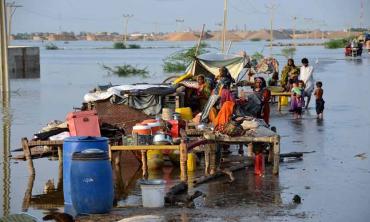
The climate crisis is a an industrial product manufactured, packaged and auctioned to the highest bidder
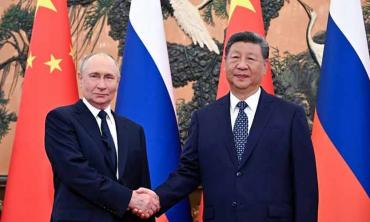
The Tianjin Declaration will be remembered for its vision of multipolarity and integration. But critical gaps remain
The choice before Pakistan is stark: it can continue the cycle of reactive relief or embrace a transformative agenda



