Print Story
X




There is growing evidence of collaboration between the BLA, the TTP and Al Qaeda
| T |
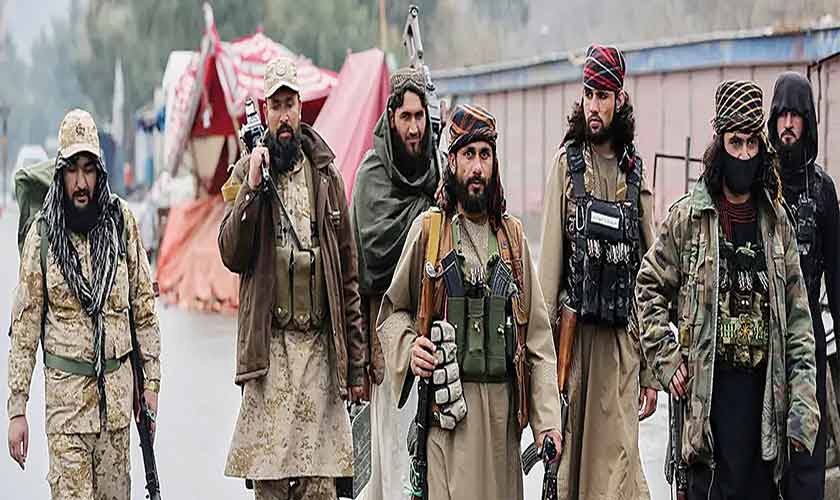
he security environment in Pakistan is increasingly influenced by evolving militant alliances that extend beyond traditional organisational and national boundaries. In recent months, the (banned) Balochistan Liberation Army has emerged as a key actor. It is increasingly engaged with trans-national extremist networks such as Al Qaeda and Tehreek-i-Taliban Pakistan. According to official assessments, this nexus has significantly enhanced the operational capacity of militant organisatins in Balochistan and some other regions of the country.
Security sources say this collaboration extends beyond ideological alignment and now includes financial assistance, training, weapons supply and logistical coordination. The structured support enables various militant groups to sustain prolonged campaigns involving attacks on civilians, security personnel and infrastructure. Officials say that one of the central objectives of this alliance is to disrupt national development efforts, particularly projects associated with the China-Pakistan Economic Corridor.
Chief Minister Mir Sarfraz Bugti has repeatedly highlighted the role of external support in enhancing the capabilities of the BLA. Senior security officials have also pointed to the involvement of Al Qaeda and the TTP as key enablers within this network. According to their assessment, their coordinated efforts are aimed at creating instability through sustained violence and sabotage.
Officials maintain that Afghan territory is being used as a sanctuary where militant operatives receive training and plan operations before entering Pakistan.
One of the most worrying aspects of these activities is the systematic exploitation of vulnerable populations, particularly women. Security agencies report a rising trend in which individuals are radicalised through psychological manipulation, coercion and financial incentives. These recruits are then trained and used in high-risk operations, including suicide attacks.
Authorities in Sindh also reported foiling an attack using a girl child allegedly recruited through social media.
In one case reported from Khuzdar, security forces apprehended a woman identified as Laiba, also known as Farzana, who was allegedly preparing for a suicide mission. Investigation indicated that she had been influenced by a network of BLA operatives. In another case, one Raheema Bibi revealed details regarding the facilitation of a female attacker associated with the Balochistan Liberation Front. The recruit, identified as Zarina Rafiq, was reportedly hidden away before being taken to Afghanistan for training. She would later carry out an attack against a Frontier Corps installation.
Authorities in Sindh have reported foiling an attack using a girl child recruited through social media.
Various investigations have identified structured recruitment by these networks. The process typically begins with ideological influence developed through online activist platforms. This is followed by recruitment into militant groups. The recruits are transported to training camps, some of those outside Pakistan, before being assigned operational roles.
Security officials say the collaboration between the BLA, the TTP and Al Qaeda has been behind a number of attacks targeting security personnel, civilians, educational institutions and economic infrastructure. These incidents are viewed as part of a broad strategy to cause fear, disrupt daily life and hinder economic progress.
By way of a response, the security forces have intensified intelligence-based operations, often in coordination with local communities. Authorities emphasise a policy of zero tolerance toward militant activities, particularly terrorist attacks. The authorities have advised family elders to monitor online activities of the impressionable youth, warning that social media has become a major channel for recruitment and influence.
Experts suggest that addressing this challenge requires a holistic approach. In addition to sensible security measures, there is a need to focus on social and economic factors that contribute to vulnerability.
The author works for The News. He can be contacted at [email protected].