Print Story
X




Two people meet at a university. Their circumstances and personalities are poles apart. Will they learn something from each other?
| T |
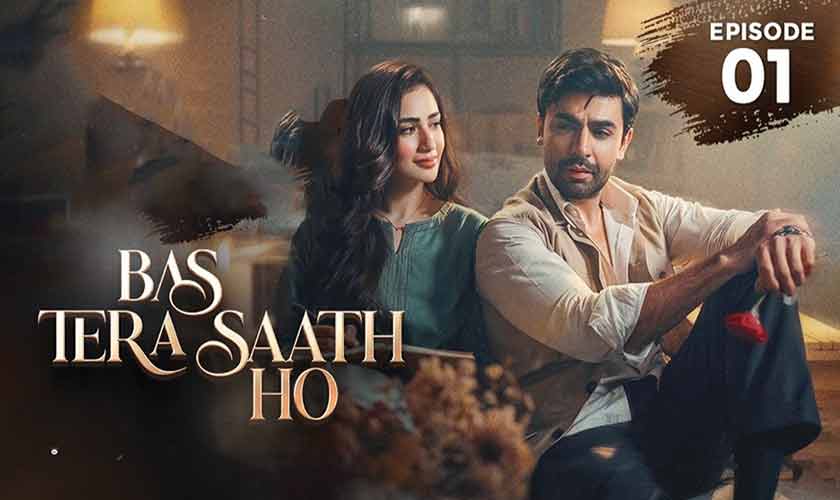
his play, penned by the late Saira Raza, started a couple of weeks ago. It stars Farhan Saeed as Anas and Sana Javed as Ansa. Anas Mujtaba, who shas been popularly referred to as “the male Cinderella” and Ansa Jamil are classmates at a university. Their stories make up the gist of the play.
A befitting follow up to the blockbuster Kafeel, this production highlights a number of social issues. The protagonist is not a mazloom, bechari larki, but a larka (think male version of Hala in Meray Humsafar). Farhan as the male lead, takes to the role like a fish to water.
Sana Javed, who has returned to the small screen after a hiatus, is also doing justice to her role as a self-assured woman, who is not afraid to stand up for her rights. She is the foil to the male protagonist, who has been bullied and maltreated since he was quite young. He has matured into a repressed male, browbeaten by everyone in the house, except for his grandfather.
Anas’s father married of his own free will and was disinherited by his father. Anas, therefore, has no legal right to the assets owned by his grandfather. That is why he is maltreated by his paternal uncle’s family.
Anas is a soft target and a convenient scapegoat, as he has no familial support and is dependent on his uncle’s family for everything. Despite being a brilliant student, he receives no acknowledgement or acclaim. His university fees are paid by a paternal aunt, who resides in America.
The play expertly captures the difference in the treatment meted out to Anas compared and his cousin, who can do no wrong in the eyes of his mother. The helplessness and frustration that Anas experiences, in addition to the humiliation and degradation, destroy what little self-confidence he may have had. He is treated worse than the domestic help in the house. It is a classic case the ‘sins’ of the parents visiting their children.
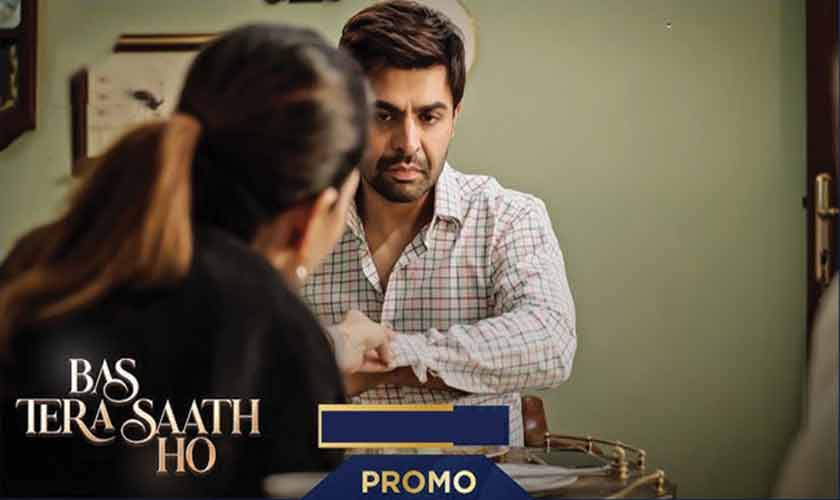
This play offers something new. There is a role reversal of sorts. The male lead is a bechara and the female lead a proper spitfire, who will stop at nothing to fight for what is rightfully hers.
The grandfather regrets disowning his son. He tries occasionally to stand up for his grandson, but having grown weak, frail and sick, there is not much he can do. He is stricken with remorse and his heart aches to see Anas treated poorly by his other son’s family. However, he only has himself to blame. He regrets acting in haste and a fit of anger. Now that he is at a different stage of his life and the circumstances are different he worries that Anas should not have to pay for what his father did?
Ansa Jamil, on the other hand, is a confident, self-assured young woman. She has received an equal share in the property from her father. The message is that daughters should not be deprived of their rightful share in their parents’ wealth. Women inherit from their fathers and husbands. The dowry given to them is a gift and is not a substitute for their rightful share in the inheritance. Many people in our society pay lip service to the idea but few practice it. The majority favours the sons, as they carry the family name. The daughters are considered paraya dhan (belonging elsewhere), to use a very clichéd term.
Bas Tera Saath ho is a commendable endeavour. It holds up a mirror to the society. The play captures the experiences of both women and men. It illuminates the various challenges men face, especially when they are held accountable for the actions of their parents. Farhan is impeccable and both he and Sana do justice to their roles. The dialogues are refreshing, especially those mouthed by Sana Javed.
There is a role reversal of sorts as the male lead is a bechara, while the female lead is a proper spitfire, who will stop at nothing to fight for what is rightfully hers.
Keep watching this gem for not only the dialogues, script and direction, but also the acting and the fresh on-screen pairing. Keep rooting for this male Cinderella. Let’s hope that he finds his princess in the end. The evil stepmother is his tayee, the two stepsisters are his two cousins. His paternal aunt is the fairy godmother.
The writer is an educationist. She can be reached at [email protected].