Print Story
X




In 2026, Pakistani fashion is less about any single dominant aesthetic and more about a diversity of approaches. Some designers champion quiet minimalism, others reinterpret classic silhouettes for a new generation and many focus on clothing that feels stylish, practical and relevant to modern lifestyles. Think you’re keeping up with Pakistan’s fashion evolution? Let’s find out.
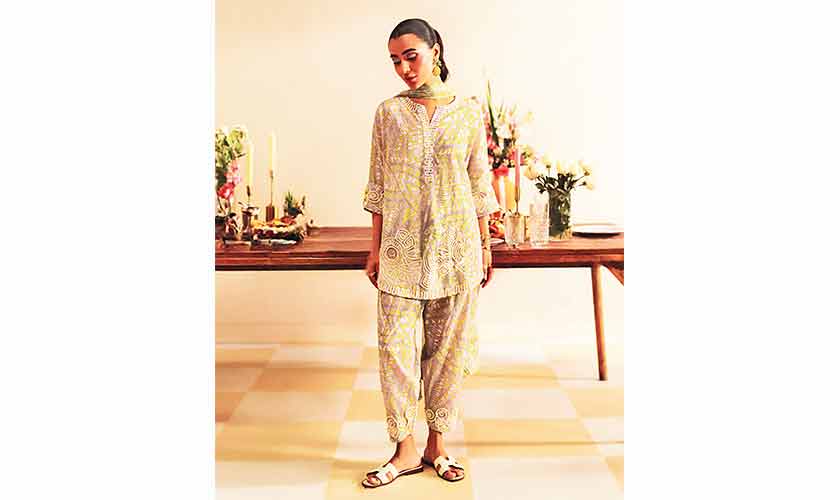
1. The Karachi-based fashion label NiaMia is best known for which design philosophy?
a) Elaborate bridal couture inspired by Mughal miniature paintings
b) Minimalist co-ord sets and lawn outfits that combine comfort with precise tailoring
c) Vintage-inspired menswear recreating colonial-era silhouettes
d) Experimental avant-garde garments made primarily for runway shows
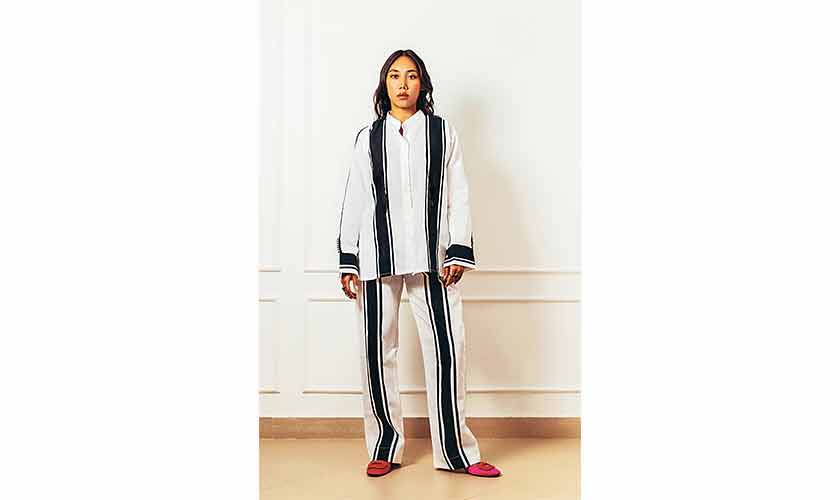
3. What distinguishes the aesthetic of Sara Wassan Designs within Pakistan’s fashion scene?
a) Sport-inspired streetwear influenced by global sneaker culture
b) Highly embellished couture designed mainly for destination weddings
c) Sophisticated prêt-wear combining contemporary cuts with relaxed silhouettes
d) Denim-focused collections inspired by American workwear
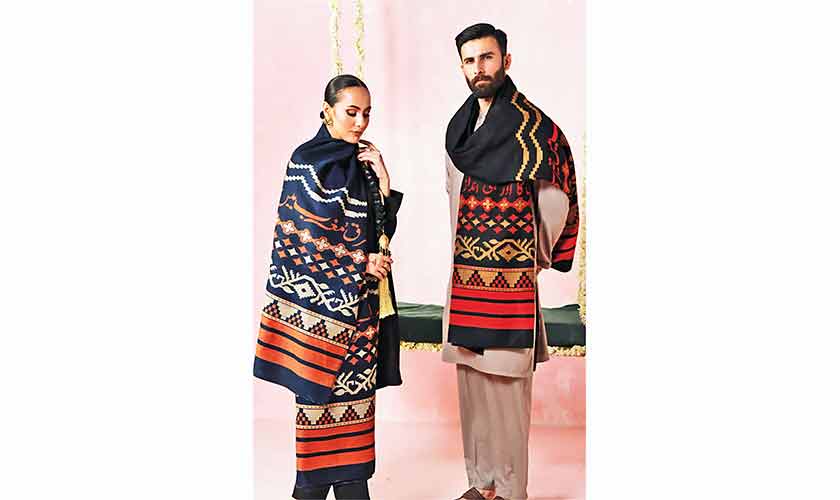
6. The label Manto draws its name from which cultural source?
a) The city of Samarkind
b) The architecture of the Walled City of Lahore
c) Folk embroidery traditions from Balochistan
d) The writer Saadat Hasan Manto followed by the poetry and writings of Urdu poets
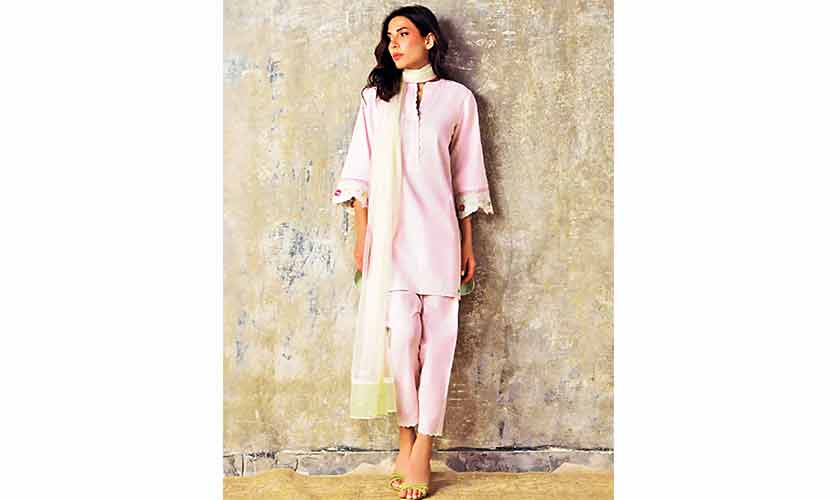
4. Designer Uzma Sattar is widely associated with which distinctive element in her work?
a) Playful prints and artistic storytelling rooted in illustration and culture
b) Restrained tailoring and subdued colour palettes
c) Industrial fabrics such as rubber and metallic mesh
d) Traditional Peshawari menswear reinterpretations
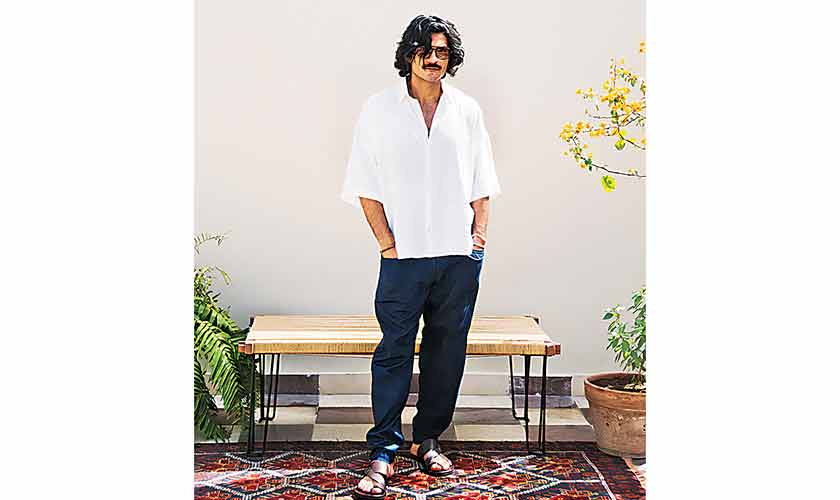
2. The brand Inclusivitee has gained attention mainly for which focus within Pakistani fashion?
a) Designing exclusively for celebrity stylists and film productions
b) Manufacturing export-oriented Western formalwear
c) Producing handwoven bridal lehengas using rare heritage textiles
d) Creating gender-neutral fashion and expanding representation across clothing sizes
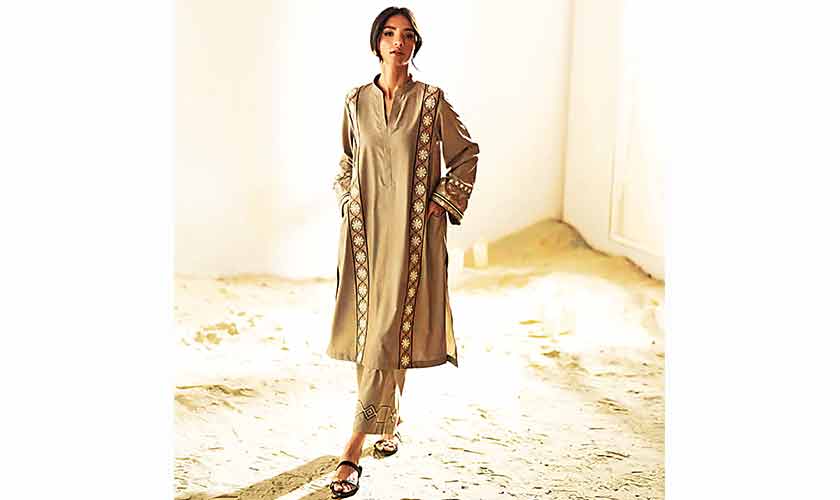
5. The Pakistani brand Solids built its identity around which concept?
a) Clean, minimal wardrobe staples emphasising simplicity and versatility
b) Brightly embroidered festivalwear
c) Clothing made only from recycled denim
d) Vintage replicas of 1980s television costumes
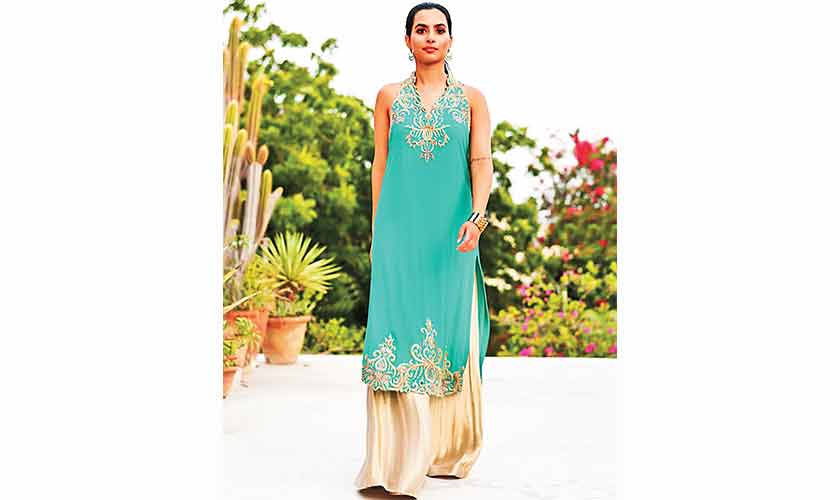
7. Dragonfly by Riffat Aliani is recognised for which area of Pakistani fashion?
a) Handcrafted luxury ensembles and couture-inspired prêt and formal wear
b) Athletic performance wear for women
c) Mass-produced lawn prints for summer collections
d) Sustainable footwear made from plant fibres
Answers
1. The correct answer is b.
NiaMia has built its reputation on clothing that feels fresh yet genuinely easy to wear. Founded in Karachi in 2021 by sisters Sania (Nia) and Neshmia (Mia), the label gained a following for its co-ordinated outfits that reinterpret everyday easternwear through a relaxed, unfussy lens.
Rather than leaning on elaborate embellishment, the brand prioritises clean lines, breathable fabrics and comfortable tailoring. Co-ord sets, relaxed kurtas and updated shalwar shapes form the backbone of collections typically presented in soft colour palettes suited to the humid weather. The result is clothing where practicality and style sit comfortably side by side, reflecting a growing appetite for understated dressing in a market long drawn to the ornate.
2. The correct answer is d.
Inclusivitee speaks to a broader shift in fashion towards representation and accessibility. The brand expands its size range while taking a more inclusive approach to design and presentation, moving away from the petite body standards that have historically shaped the industry. In Pakistan, where fashion has often been criticised for limited diversity, labels such as Inclusivitee are part of a wider movement pushing for greater visibility across identities and body types to challenge long-standing retail norms.
3. The correct answer is c.
Sara Wassan Designs occupies a distinctive corner of Pakistan’s prêt market, defined by refined everyday clothing built around comfort, simplicity and relaxed tailoring. Many collections feature breathable fabrics such as Irish cotton and linen with loose cuts, wide-leg trousers and softly structured kurtas. The label favours subtle detailing and balanced proportions over anything showy, an approach that resonates with urban women seeking pieces that move easily between work, social engagements and daily routines.
4. The correct answer is b.
Uzma Sattar’s label is recognised for its tailoring and restrained sensibility. Based in Karachi, the brand favours clean lines, soft colour palettes and thoughtful detailing over bold prints or heavy ornamentation. Collections frequently include relaxed kurtas, culottes and co-ord sets in cotton and blended fabrics. These pieces balance comfort with a polished finish and transition naturally between casual and semi-formal settings. The overall effect is refined prêt that feels current and enduring in equal measure.
5. The correct answer is a.
Solids has cultivated a loyal following by keeping things simple. Operating largely online, the brand releases limited ready-to-wear collections that regularly sell out. Its identity centres on wardrobe staples defined by minimalist and uncluttered detailing that can be styled in multiple ways. Instead of chasing seasonal trends, Solids focuses on pieces that remain relevant over time to appeal to consumers looking for thoughtful, wearable fashion built to last.
6. The correct answer is d.
The label takes its name from the celebrated Urdu poet and storyteller Saadat Hasan Manto, whose stories examined the complexities of South Asian society with bold honesty. In adopting this name, the brand signals a deliberate connection to cultural identity and literary heritage. Many of its designs reinterpret classic garments through updated cuts and include Western-style hoodies and sweats along with easternwear. The brand has grown from an online-only business to having multiple outlets in Karachi and Lahore, and one in Islamabad.
7. The correct answer is a.
Dragonfly by Riffat Aliani is synonymous with garments that place craftsmanship at the centre of its design philosophy. The label has built a reputation for clothing that blends traditional techniques with a polished, present-day sensibility.Lace accents, embroidery and delicate cutwork appear frequently across its collections, often applied to fabrics such as linen and chikankari. The result is clothing that feels classic and current at once, carrying forward a longstanding tradition of artisanal work within Pakistani fashion while making it feel relevant to today’s wardrobes.